 January 2025 in “Journal of Clinical Medicine”
 Unsanitary barber practices can spread scalp infections, treatable with oral antifungals.
 2 citations
,
January 2005 in “The Japanese Journal of Veterinary Dermatology”
2 citations
,
January 2005 in “The Japanese Journal of Veterinary Dermatology” Abnormal adrenal function is not the cause of alopecia in Pomeranians; it may be due to breed-specific hormones.
12 citations
,
July 2004 in “Molecular genetics and genomics” A new mouse mutation causes skin and hair defects due to a gene change.
 24 citations
,
March 1998 in “Mycoses”
24 citations
,
March 1998 in “Mycoses” Early diagnosis and effective treatment of kerion Celsi prevent scarring and permanent hair loss.
 January 2019 in “Jui rinsho hifuka”
 A dog's skin and digestive problems improved after treatment for thyroid cancer.
 September 2024 in “Journal of Parasite Science”
 Dermatophytosis in cats was most common in young, male Persian cats, with symptoms like hair loss and crusts.
January 2005 in “Veterinarski glasnik” The dog's hair discoloration was due to low zinc and hypothyroidism, not the medication.
 1 citations
,
January 2006 in “Elsevier eBooks”
1 citations
,
January 2006 in “Elsevier eBooks” The conclusion is that different types of hair loss in dogs and cats can be cosmetic or serious, and affected animals should not be bred.
1 citations
,
January 1987 in “Veterinary Dermatology” Topical 0.1% tacrolimus improved a rare ear condition in cats.
4 citations
,
January 1970 in “Bangladesh Journal of Veterinary Medicine” Most cats in Bangladesh have flea infestations, especially kittens and females.
5 citations
,
November 2011 in “Journal of Cutaneous Medicine and Surgery” Hairless dogs can be used to study human hypertrophic scars.
2 citations
,
January 2023 in “Frontiers in Veterinary Science” Buffalo flies and Stephanofilaria nematodes cause severe skin lesions in beef cattle, and treatment should target both.
 January 2024 in “Brazilian journal of veterinary pathology”
 The dog likely has a condition similar to Canine alopecia X.
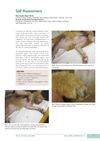 April 2008 in “Companion Animal”
 The cat's skin condition was linked to cancer and did not improve with treatment, leading to a poor outcome.
1 citations
,
May 2016 in “Journal of Veterinary Diagnostic Investigation” Exotic lice infest 45% of California mule deer, with younger and selenium-deficient deer more vulnerable.
 1 citations
,
June 2017 in “Veterinary dermatology”
1 citations
,
June 2017 in “Veterinary dermatology” A cross-bred lamb with severe skin and movement issues had ichthyosis fetalis but normal vitamin A levels.
 5 citations
,
January 2010 in “The anatomical record”
5 citations
,
January 2010 in “The anatomical record” Most dogs have hair whorls on their chest and limbs, with shelter dogs and short-haired dogs having more chest whorls.
 April 2023 in “Clinical theriogenology”
 The dog's skin condition improved after removing a tumor that was causing hormone imbalances.
1 citations
,
February 2005 in “OakTrust (Texas A&M University Libraries)” Diet B improved dogs' skin and hair condition.
6 citations
,
June 1993 in “Veterinary Dermatology” A female Rottweiler had a rare genetic condition causing mostly hairless skin.
Surgery can cause skin cysts in dogs.
December 2025 in “Antibiotics” Tinea capitis in older adults is often misdiagnosed but can be effectively treated with antifungal therapy.
 January 2021 in “Journal of Entomology and Zoology Studies”
 The piglets fully recovered from psoroptic mange after treatment.
1 citations
,
December 2021 Cats likely have a reactive skin condition, while dogs may have a more complex, possibly cancerous one.
30 citations
,
October 2009 in “Journal of Veterinary Internal Medicine” A Pomeranian dog had rickets due to a new gene mutation, leading to severe symptoms and euthanasia.
October 2012 in “Indian Journal of Dermatology, Venereology and Leprology” Urtica dioica L. extract may help treat skin fungus but is less effective than standard treatment.
 November 2025 in “Zenodo (CERN European Organization for Nuclear Research)”
 Dermatophytosis in cats is a common fungal infection that usually resolves itself but can be severe in vulnerable animals.
December 2020 in “Pathology” A man's skin condition and poor diet led to a scurvy diagnosis.
 28 citations
,
February 2012 in “PLoS ONE”
28 citations
,
February 2012 in “PLoS ONE” A PKP1 gene mutation causes skin fragility and hair loss in Chesapeake Bay retriever puppies.