 March 2026 in “Buletin Veteriner Udayana”
 Coconut oil helps heal skin lesions in dogs with atopic dermatitis.
December 2025 in “Journal of Veterinary Clinics” CO₂ laser surgery successfully healed a dog's chronic paw condition.
6 citations
,
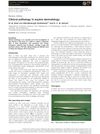
October 2009 in “Veterinary Dermatology” Canine claws have complex structures with different keratin types, similar to hair and nails.
7 citations
,
February 2019 in “Veterinary medicine and science” An American Bully with a genetic skin condition improved significantly with specific topical treatments.
3 citations
,
January 2020 in “Acta veterinaria indonesiana” The cat with ringworm got better after being treated with oral and topical medications for 35 days.

Alopecia in dogs requires identifying the cause for effective treatment.
28 citations
,
June 1991 in “Veterinary Dermatology” Black and white Saluki dogs have a unique hair loss condition different from Doberman pinschers.
 December 2018 in “DergiPark (Istanbul University)”
 The cat's skin condition improved with treatment, but underlying health issues must be addressed.
1 citations
,
January 2013 in “INTAS POLIVET” Cephalexin effectively treats canine bacterial dermatitis, showing improvement within 72 hours.
September 2025 in “Journal of Veterinary and Animal Sciences” Nine hair follicle tumors were found in dogs.
6 citations
,
June 2012 in “PloS one” A new mRNA variant of the SCF gene in sheep skin produces a shorter, different protein.
January 2014 in “Redalyc (Universidad Autónoma del Estado de México)” A Persian cat had a rare skin condition that didn't improve with treatment.
 1 citations
,
June 2016 in “Equine Veterinary Education”
1 citations
,
June 2016 in “Equine Veterinary Education” The document concludes that using the right diagnostic methods and careful sample handling is crucial for accurately diagnosing horse skin diseases.
 October 2022 in “Veterinária notícias/Veterinária Notícias”
 A 5-year-old Akita with a rare skin condition improved significantly after treatment.
5 citations
,
May 2018 in “Veterinary dermatology” Gluconolactone products can significantly reduce skin scaling in golden retrievers with ARCI.
 May 2019 in “Small Animal Dermatology”
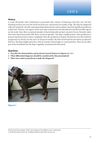
 The dog has Color Dilution Alopecia, causing hair loss and increased risk of skin infections.
 18 citations
,
October 2017 in “PLOS ONE”
18 citations
,
October 2017 in “PLOS ONE” The study concluded that similar pathways regulate hair growth in dogs and mice, and these pathways are disrupted in dogs with Alopecia X, affecting stem cells and hormone metabolism.
2 citations
,
August 2004 in “Veterinary Dermatology” A dog with a hereditary skin condition causing blisters and hair loss survived for a year.
January 2019 in “INTAS POLIVET” The dog fully recovered and regrew hair after treatment.
 9 citations
,
May 2016 in “Veterinary dermatology”
9 citations
,
May 2016 in “Veterinary dermatology” Long-term oral and topical treatments improved skin condition in a goldendoodle with a genetic disorder.
 59 citations
,
February 2003 in “Veterinary Dermatology”
59 citations
,
February 2003 in “Veterinary Dermatology” Cyclosporin is effective for treating skin conditions in small animals, but requires careful dosing and monitoring for side effects.
July 2023 in “Cosmoderma” 34 citations
,
July 2018 in “Veterinary Dermatology” A new method to study dog skin diseases using lab-grown skin cells was developed.
October 2010 in “eCommons (Cornell University)” Cutaneous epitheliotropic lymphoma in dogs is often misdiagnosed but can be treated with chemotherapy and alternative therapies.
3 citations
,
January 2016 in “Revista Brasileira de Higiene e Sanidade Animal” Canine hypothyroidism often causes skin issues like hair loss.
January 2025 in “Зоологический журнал / Russian Journal of Zoology” Baikal seals' skin shows normal adaptations and potential pathologies possibly linked to climate change and a viral pathogen.
 4 citations
,
January 2017 in “Ciência Rural”
4 citations
,
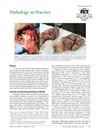
January 2017 in “Ciência Rural” A horse in Brazil with skin and gut issues was diagnosed with a severe disease and had to be euthanized.
 6 citations
,
January 2015 in “Journal of the American Veterinary Medical Association”
6 citations
,
January 2015 in “Journal of the American Veterinary Medical Association” A 7-year-old dog with a rare autoimmune disease was euthanized due to severe anemia and poor prognosis.
May 2019 in “Small Animal Dermatology” Effective flea control can resolve hair loss in cats.
 5 citations
,
February 2019 in “PloS one”
5 citations
,
February 2019 in “PloS one” Bald thigh syndrome in sighthounds is caused by structural defects in hair shafts due to downregulated genes and proteins.