 5 citations
,
December 2017 in “Tissue and cell/Tissue & cell”
5 citations
,
December 2017 in “Tissue and cell/Tissue & cell” Researchers found stem cells in dog hair follicles using specific markers.
2 citations
,
April 2022 in “Medicine” A Chinese boy's scalp infection from a guinea pig was cured with medication.
February 2026 in “Scientific Messenger of LNU of Veterinary Medicine and Biotechnology” Dermatophytosis in cats is treated with antifungal medications.
3 citations
,
January 2021 in “Veterinary dermatology” A litter of cats had a hair condition similar to a mouse mutation, leading to hair loss and abnormal hair and skin.
March 2022 in “Archives of Veterinary Science” A homeopathic product reduces skin issues and stress in dogs with dermatitis.
 January 2026 in “International Journal of Advanced Biochemistry Research”
 Dermatophytosis in calves is most common in winter, especially in 4-6 month-old female HF crossbreds.
73 citations
,
June 2006 in “Animal genetics” The FGF5 gene determines hair length in dogs.
18 citations
,
November 2007 in “Acta Veterinaria Hungarica” The ovine interdigital sinus has a complex structure with three layers and various skin-like features.
June 2006 in “Experimental dermatology” The document concludes that while finding animal models for the skin disease Hidradenitis suppurativa is challenging, certain mouse mutations may provide useful insights for research and drug testing.
 April 2023 in “Veterinary world/Veterinary World”
 Six types of bugs were found on goats in Bulgaria, with Linognathus stenopsis being the most common.
36 citations
,
February 2004 in “Veterinary Dermatology” Lymphangiosarcoma was confirmed in cats with specific skin symptoms using a lymphatic marker.
6 citations
,
January 2022 in “Veterinary Sciences” Feline cutaneous lymphocytosis is likely reactive, while canine cutaneous lymphocytosis needs more study to understand its nature.
9 citations
,
February 2004 in “Veterinary Dermatology” Canine hair follicle cells metabolize DHEA and testosterone differently than human cells.
May 2020 in “The Journal of Pediatrics” Tinea capitis can be quickly diagnosed and treated using dermoscopy to prevent hair damage.
September 2025 in “Journal of Parasite Science” 10.5% of cats in Cimahi had a fungal skin infection, mostly affecting young, female, domestic cats.
 16 citations
,
April 2012 in “Journal of mammalogy”
16 citations
,
April 2012 in “Journal of mammalogy” Young female Australian fur seals are losing hair due to low tyrosine and zinc levels and high pollution exposure.
34 citations
,
August 2005 in “Veterinary Dermatology” Goats may need lifelong zinc supplements due to hereditary zinc absorption issues.

Tinea capitis in adults often leads to misdiagnosis or delayed diagnosis due to atypical symptoms, requiring careful examination for proper treatment.
 March 2026 in “Buletin Veteriner Udayana”
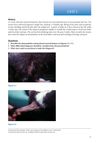
 The cat's hair loss and skin issues improved with less stress and more owner attention.
 May 2019 in “Small Animal Dermatology”
 The cat had a rare condition linked to cancer, leading to its euthanasia.
 21 citations
,
July 2006 in “Veterinary dermatology”
21 citations
,
July 2006 in “Veterinary dermatology” CD34 marks potential stem cells in dog hair follicles.
8 citations
,
June 2017 in “The Journal of Infection in Developing Countries” 5 citations
,
September 2006 in “Natural medicines/Journal of natural medicines” Microscopic hair features can identify different Cauda Cervi species.
22 citations
,
September 1993 in “Archives of Dermatology” The child has a scaly rash and fever, but tests show no infection.
 April 2012 in “Journal of the American Academy of Dermatology”
 Dermoscopy can help diagnose tinea capitis in children by looking for comma hairs, black dots, and broken hairs with white bands.
4 citations
,
January 2020 in “Indian dermatology online journal” Lichen simplex chronicus on the scalp can be diagnosed by specific hair and skin signs and treated with corticosteroids and therapy.
 17 citations
,
January 2014 in “Stem Cells Translational Medicine”
17 citations
,
January 2014 in “Stem Cells Translational Medicine” Canine epidermal neural crest stem cells could be a promising treatment for spinal cord injuries in dogs.
53 citations
,
October 2003 in “Genetics” The mK6irs1/Krt2-6g gene likely causes wavy hair in mice.
July 2025 in “Journal of Investigative Dermatology” Probiotics significantly reduce the severity of atopic dermatitis.
 January 2026 in “Phaidra - Repository of the University of Veterinary Medicine, Vienna”
 Hair cortisol levels in wolves reflect stress and vary by season and body region.