 3 citations
,
January 2017 in “Journal of Pakistan Association of Dermatology”
3 citations
,
January 2017 in “Journal of Pakistan Association of Dermatology” The most common skin condition at the Baqai Institute in Karachi was scabies, and eczema was the most prevalent group of diseases.
 May 2024 in “Knowable Magazine”
 CBD might help pets with pain, itching, and seizures, but results are mixed and more research is needed.
 6 citations
,
February 2013 in “Veterinary Dermatology”
6 citations
,
February 2013 in “Veterinary Dermatology” A young cat had a rare hair condition with twisted hair shafts but stayed healthy.
Zinc methionylglycinate at 160 ppm improves dog hair and zinc levels best.
39 citations
,
July 2000 in “British Journal of Dermatology” Identical twins both had a rare hair loss condition, suggesting it might be genetic.
August 2019 in “Wiedza Medyczna” Kerion is a severe scalp infection that needs quick treatment to avoid permanent hair loss in children.
 October 2016 in “Veterinary record case reports”
 A cat had a rare skin disorder with hair loss and scaling, linked to a suspected tumor.
 October 2019 in “Asian Journal of Research in Animal and Veterinary Sciences”
 Young horses are more prone to a fungal infection causing hair loss and skin redness.
May 2023 in “MQRInvestigar” A young dog with an enlarged prostate and cysts improved significantly after treatment and surgery.
 13 citations
,
October 2015 in “Journal of the European Academy of Dermatology and Venereology”
13 citations
,
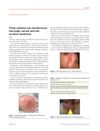
October 2015 in “Journal of the European Academy of Dermatology and Venereology” The document concludes that early recognition and appropriate treatment of red scalp, red ear, and red scrotum syndromes can lead to remission.
 33 citations
,
February 1996 in “Journal of The American Academy of Dermatology”
33 citations
,
February 1996 in “Journal of The American Academy of Dermatology” Treat scalp and beard fungal infections early with oral antifungal medication and sometimes topical therapy, avoiding unnecessary allergy tests and surgery.
4 citations
,
January 2009 in “Veterinary Dermatology” Cats exposed to diesel oil can lose hair but recover fully without treatment.
 May 2015 in “Journal of The American Academy of Dermatology”
 A woman was injured by a hedgehog falling on her, causing skin lesions but no disease.
1 citations
,
September 2024 in “Veterinary Dermatology” Trichography is important for diagnosing hair fragility in Pomeranian dogs with hair cycle issues.
4 citations
,
January 2023 in “Veterinary Sciences” The treatment improved dogs' greasy seborrhea without side effects.
 October 2023 in “Russian Journal of Veterinary Pathology”
 Microneedling, oral melatonin, trilostane, and deslorelin acetate implants are the best treatments for alopecia X in dogs.
3 citations
,
August 2004 in “Veterinary Dermatology” Supplementing vitamins and minerals prevented hair loss in Icelandic horses.
 April 2020 in “Arquivo Brasileiro De Medicina Veterinaria E Zootecnia”
 A horse in Brazil had seasonal hair loss possibly linked to light exposure and melatonin levels.
 January 2008 in “Pratique médicale & chirurgicale de l'animal de compagnie”
 Alopecia X in dogs is a cosmetic issue, not a hormonal disorder, and harmful treatments should be avoided.
1 citations
,
January 2010 in “INTAS POLIVET” Two German shepherds with acute prostatitis were successfully treated with medication.
June 2026 in “Annals of Phytomedicine An International Journal” Cassia tora ointment is a safe, affordable treatment for fungal dermatitis in dogs.
 January 2023 in “International Journal of Zoology and Animal Biology”
 Canine hypothyroidism can be linked to diabetes, requiring thorough testing for proper diagnosis.
 November 2021 in “Folia Microbiologica”
 Trichophyton bullosum has been found causing severe skin infections in donkeys in North Africa for the first time since 1933.
4 citations
,
January 2022 in “Actas Dermo-Sifiliográficas” Increased tinea capitis cases in Northwestern Spain may be linked to African immigration.
 18 citations
,
August 2018 in “The FASEB journal”
18 citations
,
August 2018 in “The FASEB journal” Rabbits lacking the Hoxc13 gene show similar hair and skin issues to humans with ECTD-9, making them good for research on this condition.
 November 2022 in “Journal of Investigative Dermatology”
 Patients with ichthyosis often experience symptoms similar to psoriasis and atopic dermatitis, suggesting that targeted therapies could improve their condition.
January 2005 in “Chinese Journal of Veterinary” Hairless mice lose hair by 3-4 weeks, develop thicker, folded skin, and show pigmentation differences.
5 citations
,
October 2020 in “Veterinary record case reports” Fluorescent light energy may help treat skin infections in dogs with calcinosis cutis.
2 citations
,
April 2022 in “Genes” The study found that the hair loss condition in Cesky Fousek dogs is influenced by multiple genes affecting skin and muscle structure, fat metabolism, and immunity.
 October 2025 in “HAL (Le Centre pour la Communication Scientifique Directe)”
 Variegated coat color in cats is linked to the Silver locus.