Search
for
Sort by
Research
420-450 / 1000+ resultsresearch Topical treatment using amphotericin B and DMSO for an atypically located equine cutaneous pythiosis.
Topical treatment with amphotericin B and DMSO effectively healed a horse's skin infection.
research Seborrhoeic Dermatitis in Pigmy Goats
Pygmy goats with seborrhoeic dermatitis showed skin symptoms and temporary improvement with corticosteroids, but the cause and inheritance of the disease remain unknown.

research Nevus Sebaceus With Novel HRAS Sequence Variant Mutation Misdiagnosed as Alopecia Areata
A 12-year-old girl was misdiagnosed with alopecia areata but actually had a nevus sebaceus with a genetic mutation.
research Exotic pediculosis and hair-loss syndrome in deer (Odocoileus hemionus) populations in California
Exotic lice infest 45% of California mule deer, with younger and selenium-deficient deer more vulnerable.
research Clinical and Microscopic Evaluation of Dermatophytosis in Suspected Feline Cases
Dermatophytosis is common in young, male Shirazi Persian cats, affecting ears, face, and abdomen.
research Localized Hypotrichosis Type 1 Due to Intragenic Deletion of Exons 5-8 in Desmoglein Gene in a Neonate from Indian Family
A baby from an Indian family had a rare genetic disorder causing no scalp or body hair due to a specific gene deletion.

research RSPO1-mutated keratinocytes from palmoplantar keratoderma display impaired differentiation, alteration of cell–cell adhesion, EMT-like phenotype and invasiveness properties: implications for squamous cell carcinoma susceptibility in patients with 46XX disorder of sexual development
RSPO1 mutations in certain patients lead to skin cells that don't develop properly and are more likely to become invasive, increasing the risk of skin cancer.
research Medical management of Trichophyton dermatophytosis using a novel treatment regimen in L'Hoest's monkeys (Cercopithecus lhoesti)
The monkeys' skin infection was cured in eight weeks using oral terbinafine, topical washes, and disinfectant fogging.
research Primer registro de alopecia en Artibeus jamaicensis y Choeronycteris mexicana (Chiroptera: Phyllostomidae) en Puebla, México
Bats in Puebla, Mexico, show hair loss likely due to environmental stress from human activities.

research A new tool for conditional gene manipulation in a subset of keratin‐expressing epithelia
The Megsin-Cre transgene is a new tool for genetic manipulation in the skin and upper digestive tract.
research Dermoscopy in the diagnosis of tinea capitis infections in children
Dermoscopy can help diagnose tinea capitis in children by looking for comma hairs, black dots, and broken hairs with white bands.
research Experimental cutaneous Bacillus anthracis infections in hairless HRS/J mice
Hairless HRS/J mice resist Bacillus anthracis skin infections due to high numbers of immune cells, not because they lack hair follicles.
research A case report on the effective management of canine demodicosis
Combining systemic and topical treatments effectively cured a dog's skin condition.
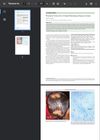
research Pityriasis Versicolor of Scalp Mimicking Alopecia Areata
Scalp tinea versicolor can mimic alopecia areata but is treatable with antifungal medication.
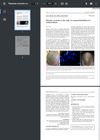
research Pityriasis versicolor on the scalp: An unusual distribution of a common disease
A boy's scalp infection, usually found on the body, was effectively treated with antifungal cream.
research Dermatophytosis in cats
Dermatophytosis in cats is a contagious skin disease that requires treating the infected cat, other pets, and the environment.
research Case Report of Tinea Capitis Caused by Combined Microsporum audouinii and Microsporum canis
A 10-year-old boy's scalp infection was cured with oral medication in two months.
research Unravelling Childhood Tinea Capitis: A Multi-Dimensional Investigation Using Dermoscopy, Scanning Electron Microscopy and Mass Spectrometry
Tinea capitis in a child was caused by a fungus from cats, highlighting the need for accurate diagnosis and treatment.
research Nonscalp hair infection caused by Microsporum canis in patient with acquired immunodeficiency syndrome
research Dermoscopy before and after treatment of cutaneous larva migrans: Through the dermoscope
Dermoscopy may not show hookworms clearly, and comparing it with tissue studies could improve diagnosis accuracy for skin conditions caused by parasites.
research Comma hairs: A dermatoscopic marker for tinea capitis
Comma hairs are a specific sign of tinea capitis when viewed with videodermatoscopy.
research The skin of primates. XLI. The skin of the silver marmoset—Callithrix (= Mico) Argentata
The silver marmoset's skin is thin, lacks pigment cells, and has unique features like keratinized spines and specialized glands.
research Malarone® induced pancreatitis and alopecia in a dog: a case report
Malarone® caused pancreatitis and hair loss in a dog for the first time.
research Tinea Capitis: Bedside Diagnosis by Dermoscopy
Tinea capitis can be quickly diagnosed and treated using dermoscopy to prevent hair damage.
research Effect ofDermacentor albipictus (Acari: Ixodidae) on blood composition, weight gain and hair coat of moose,Alces alces
research African Trypanosoma infection in a dog in France
A dog in France died from an African parasite infection after traveling from Senegal.
research Netherton's syndrome and ichthyosis linearis circumflexa.
Netherton's syndrome may have a familial link and doesn't always include atopy.
research OCORRÊNCIA DA GIARDÍASE EM CÃES E A SUA RELEVÂNCIA PARA A SAÚDE PÚBLICA
Giardiasis in dogs poses a public health risk, requiring better diagnosis, treatment, and sanitation.
research Malassezia Display a Hyphae-like “Spaghetti-and-Meatballs” Configuration in Keratotic Plugs
Malassezia fungi in healthy noses can form a "spaghetti-and-meatballs" structure.