4 citations
,
July 2024 in “BMC Zoology” Dromedary camel hair structure and mineral content change with age.
2 citations
,
August 2023 in “Aesthetic Surgery Journal” RHA fillers are effective and safe for treating nasolabial folds in people of color.
October 2023 in “Pharmacoepidemiology and Drug Safety” Most dermatology drugs in Denmark are used correctly, with few unusual patterns.
 2 citations
,
January 2002
2 citations
,
January 2002 Melanin and melanocytes contribute to the brown pigmentation in stasis dermatitis.
 6 citations
,
November 1996 in “Archives of Dermatology”
6 citations
,
November 1996 in “Archives of Dermatology” G-CSF effectively treated a teenager's cyclic neutropenia and reduced her symptoms without adverse effects.
 30 citations
,
August 2009 in “Journal of the American Academy of Dermatology”
30 citations
,
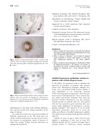
August 2009 in “Journal of the American Academy of Dermatology” Bimatoprost is safe but not effective for severe eyelash loss from alopecia areata, possibly helping those with less loss.
 5 citations
,
September 1997 in “Dermatologic Surgery”
5 citations
,
September 1997 in “Dermatologic Surgery” Dr. Russell Knudsen's system classifies hair grafts by class, shape, and size for clearer communication in hair restoration surgery.
 80 citations
,
April 2018 in “Trends in Molecular Medicine”
80 citations
,
April 2018 in “Trends in Molecular Medicine” Lichen Planopilaris and Frontal Fibrosing Alopecia may help us understand hair follicle stem cell disorders and suggest new treatments.
 10 citations
,
April 2015 in “Netherlands Heart Journal”
10 citations
,
April 2015 in “Netherlands Heart Journal” The conclusion is that there's no significant link between male pattern baldness and the severity of coronary artery disease.
 8 citations
,
October 1988 in “Clinics in Dermatology”
8 citations
,
October 1988 in “Clinics in Dermatology” Current research explores hair growth drugs, while future research aims for personalized treatments.
 7 citations
,
June 2021 in “Trends in Food Science and Technology”
7 citations
,
June 2021 in “Trends in Food Science and Technology” Western diet may cause male pattern baldness; low glycemic diet with magnesium could help.
 August 2014 in “Plastic Surgery”
 Dr. WP Unger suggested that traditional strip harvesting might be better for hair transplants than Follicular Unit Extraction due to higher hair survival rates and less risk of a patchy look at the donor site.
 6 citations
,
June 2018 in “PLOS ONE”
6 citations
,
June 2018 in “PLOS ONE” The Alopecia Areata Assessment Tool (ALTO) effectively identifies alopecia areata from other hair loss types but needs more validation.
 73 citations
,
April 2010 in “Anais Brasileiros de Dermatologia”
73 citations
,
April 2010 in “Anais Brasileiros de Dermatologia” Dermoscopy helps diagnose and monitor treatment for hair loss from scarring conditions like discoid lupus and lichen planopilaris.
 39 citations
,
October 2018 in “Lupus Science & Medicine”
39 citations
,
October 2018 in “Lupus Science & Medicine” Different types of hair loss in lupus need careful diagnosis for proper treatment.
 20 citations
,
December 2017 in “Journal of Investigative Dermatology Symposium Proceedings”
20 citations
,
December 2017 in “Journal of Investigative Dermatology Symposium Proceedings” Researchers created a fast, accurate computer program to measure hair loss in alopecia areata patients.
 15 citations
,
August 2006 in “Journal of Cutaneous Pathology”
15 citations
,
August 2006 in “Journal of Cutaneous Pathology” HIV-1 may cause increased stem cell death in hair follicles, leading to hair loss.
 4 citations
,
June 2021 in “Scientific Reports”
4 citations
,
June 2021 in “Scientific Reports” Hair fiber shape and curvature are not significantly linked when ancestry is considered.
 1 citations
,
July 2020 in “Benha Journal of Applied Sciences”
1 citations
,
July 2020 in “Benha Journal of Applied Sciences” Trichoscopy is useful for diagnosing Frontal Fibrosing Alopecia.
 December 2023 in “Dermatology and therapy”
 Japanese patients and physicians often disagree on the severity of Alopecia Areata and treatment satisfaction, needing better communication and treatments.
 153 citations
,
March 2017 in “Endocrine”
153 citations
,
March 2017 in “Endocrine” Male pattern baldness involves genetics, hormones, and needs better treatments.
 47 citations
,
October 2014 in “Expert Opinion on Emerging Drugs”
47 citations
,
October 2014 in “Expert Opinion on Emerging Drugs” New alopecia treatments aim for better results and fewer side effects.
 33 citations
,
September 1998 in “Dermatologic Surgery”
33 citations
,
September 1998 in “Dermatologic Surgery” Surgeons suggested a standard system for hair transplant methods to improve communication and results.
 26 citations
,
January 2013 in “BMJ Open”
26 citations
,
January 2013 in “BMJ Open” Severe baldness on the top of the head is linked to a higher chance of heart disease, especially in men under 60.
 22 citations
,
March 2017 in “Scientific reports”
22 citations
,
March 2017 in “Scientific reports” Double-stranded RNA causes inflammation in hair follicle cells, which may help understand and treat alopecia areata.
 19 citations
,
August 2019 in “Expert Opinion on Therapeutic Targets”
19 citations
,
August 2019 in “Expert Opinion on Therapeutic Targets” New treatments for hair loss may target specific pathways and generate new hair follicles.
 18 citations
,
August 2019 in “Journal of Cosmetic Dermatology”
18 citations
,
August 2019 in “Journal of Cosmetic Dermatology” PRP therapy may increase hair density in pattern hair loss without serious side effects, but more research is needed.
 3 citations
,
November 2020 in “Biological Trace Element Research”
3 citations
,
November 2020 in “Biological Trace Element Research” Men with hair loss may lack zinc, copper, and vitamin D; supplements could help.
 1 citations
,
August 2023 in “Acta dermato-venereologica”
1 citations
,
August 2023 in “Acta dermato-venereologica” Corticosteroids are the most common treatment for alopecia areata, but many patients need better options.

Current treatments for androgenetic alopecia have limitations, and personalized approaches and new methods are needed for better results.