 68 citations
,
August 2014 in “Stem Cells Translational Medicine”
68 citations
,
August 2014 in “Stem Cells Translational Medicine” Dermal papilla cells help wounds heal better and can potentially grow new hair.
 56 citations
,
September 2013 in “Journal of Biochemistry and Molecular Biology”
56 citations
,
September 2013 in “Journal of Biochemistry and Molecular Biology” Androgens increase a growth factor in hair cells by creating reactive oxygen species, and antioxidants might help treat hair loss.
 47 citations
,
October 2016 in “Molecular and Cellular Endocrinology”
47 citations
,
October 2016 in “Molecular and Cellular Endocrinology” Androgens prevent hair growth by changing Wnt signals in cells.
 39 citations
,
June 2013 in “Journal of Cosmetic Dermatology”
39 citations
,
June 2013 in “Journal of Cosmetic Dermatology” Herbal extracts and platelet-rich plasma together may help increase hair growth by making certain cells grow more, through specific cell growth pathways.
 23 citations
,
January 2018 in “International Journal of Molecular Medicine”
23 citations
,
January 2018 in “International Journal of Molecular Medicine” Baicalin helps hair growth by activating specific cell signals and pathways.
 22 citations
,
April 2006 in “Journal of Dermatological Science”
22 citations
,
April 2006 in “Journal of Dermatological Science” Vitamin C derivative increases versican in cells, potentially aiding hair growth.
 19 citations
,
December 2015 in “Journal of Materials Chemistry B”
19 citations
,
December 2015 in “Journal of Materials Chemistry B” Scientists have created a method to deliver specific cells that can regenerate hair follicles, potentially offering a new treatment for hair loss.
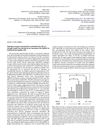 19 citations
,
September 2011 in “Journal of Dermatological Science”
19 citations
,
September 2011 in “Journal of Dermatological Science” TGF-β1 increases androgen receptor activity in hair loss, but Hic-5/ARA55 can counter this effect.
 17 citations
,
June 2019 in “BMC genomics”
17 citations
,
June 2019 in “BMC genomics” Non-coding RNAs help control hair growth in cashmere goats.
 15 citations
,
July 2017 in “PubMed”
15 citations
,
July 2017 in “PubMed” Injecting a mix of human skin and hair cells into mice can grow new hair.
 13 citations
,
November 2010 in “Experimental Dermatology”
13 citations
,
November 2010 in “Experimental Dermatology” Vitamin C derivative reduces hair loss-related protein in cells.
 10 citations
,
January 2016 in “Annals of Dermatology”
10 citations
,
January 2016 in “Annals of Dermatology” 3D-cultured dermal papilla cells are better at inducing hair follicles than adipose-derived stem cells.
 6 citations
,
November 2020 in “Molecular and Cellular Endocrinology”
6 citations
,
November 2020 in “Molecular and Cellular Endocrinology” Androgens reduce BMP2, which weakens the ability of certain cells to help hair stem cells become different types of cells.
 4 citations
,
August 2020 in “Applied Materials Today”
4 citations
,
August 2020 in “Applied Materials Today” Hydrogel microcapsules help create cells that boost hair growth.
 3 citations
,
January 2018 in “Chiang Mai University Journal”
3 citations
,
January 2018 in “Chiang Mai University Journal” Centella asiatica extract may help promote hair growth.
 3 citations
,
January 2017 in “Yonsei Medical Journal”
3 citations
,
January 2017 in “Yonsei Medical Journal” Blocking 11β-HSD1 can lessen the harmful effects of glucocorticoids on hair growth cells.
 1 citations
,
January 2024 in “Food Science and Technology Research”
1 citations
,
January 2024 in “Food Science and Technology Research” Strawberry water-extract may boost hair cell metabolism.
 1 citations
,
September 2017 in “Journal of Investigative Dermatology”
1 citations
,
September 2017 in “Journal of Investigative Dermatology” Blocking a specific enzyme can reduce the negative impact of stress hormones on hair growth cells.
 1 citations
,
April 2017 in “Journal of Investigative Dermatology”
1 citations
,
April 2017 in “Journal of Investigative Dermatology” CCL5 is important for the hair growth potential of human dermal papilla cells.
 August 2023 in “Scientific reports”
 Human stem cells were turned into cells similar to those that help grow hair and showed potential for hair follicle formation.
 September 2022 in “Institutional Repositories DataBase (IRDB)”
 Adipose-derived stem cells can be transformed into hair-forming cells using specific extracellular vesicles, offering potential for hair regeneration therapies.
 January 2021 in “Journal of cosmetology & trichology”
 Ageratum conyzoides L. extract may effectively and safely treat hair loss.
 August 2016 in “Journal of Investigative Dermatology”
 DHT reduces a cell's ability to promote hair growth, while 3D culture without DHT improves it.

Avicennia marina extract and avicequinone C can potentially promote hair growth and treat hair loss by interfering with hair loss mechanisms and boosting growth factors.
 71 citations
,
January 2019 in “International journal of biological sciences”
71 citations
,
January 2019 in “International journal of biological sciences” Exosomes from dermal papilla cells help hair growth by making hair follicle stem cells multiply and change.
 44 citations
,
June 2009 in “Biomaterials”
44 citations
,
June 2009 in “Biomaterials” Skin cell clumping for hair growth is improved by a protein called fibronectin, which helps cells stick and move better.
 32 citations
,
August 2015 in “Journal of Investigative Dermatology”
32 citations
,
August 2015 in “Journal of Investigative Dermatology” Prominin-1 expressing cells in the dermal papilla help regulate hair follicle size and communication but don't aid in skin repair.
 5 citations
,
January 2021 in “iScience”
5 citations
,
January 2021 in “iScience” Using a combination of specific cell cycle regulators is better for safely keeping hair root cells alive indefinitely compared to cancer-related methods.
 1 citations
,
September 2017 in “Journal of Investigative Dermatology”
1 citations
,
September 2017 in “Journal of Investigative Dermatology” Hair care products reduced hair roughness, a combination of Stemoxydine and Resveratrol increased hair density, fermented mackerel oil promoted hair growth, and genes TERT and Bmi-1 helped create new hair follicles.
 May 2020 in “Research Square (Research Square)”
 Researchers found four key stages of cell development that are important for hair growth and shedding in cashmere goats.