1 citations
,
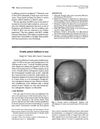
November 2023 in “Indian Journal of Dermatology” A 6-year-old Asian boy has a rare scalp condition causing hair loss and thickening, with unclear causes and no effective treatment.
 9 citations
,
November 1993 in “Journal of The American Academy of Dermatology”
9 citations
,
November 1993 in “Journal of The American Academy of Dermatology” Some men can have female pattern baldness without hormonal abnormalities or signs of feminization.
 4 citations
,
January 2015 in “Annals of Dermatology”
4 citations
,
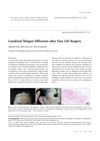
January 2015 in “Annals of Dermatology” A woman's temporary hair loss after face lift surgery stopped on its own, and hair grew back.
 August 2025 in “Галицький медичний вісник”
 Understanding hair follicle changes and hormones is key to diagnosing and treating hair loss.
 June 2023 in “Brazilian Journal of Health Review”
 Common baldness is a hereditary condition that can be treated with medications or surgery to prevent progression and improve self-esteem.
 October 2014 in “Aktuelle Dermatologie”
 Older men with scalp wounds had long-term healing problems after using imiquimod or diclofenac for skin cancer prevention.
 129 citations
,
January 2009 in “International Journal of Trichology”
129 citations
,
January 2009 in “International Journal of Trichology” Trichoscopy can diagnose female hair loss with high accuracy by looking for specific patterns in hair and scalp appearance.
 90 citations
,
July 2008 in “Dermatologic therapy”
90 citations
,
July 2008 in “Dermatologic therapy” Lichen planopilaris is a chronic, scarring hair loss condition with no definitive cure, requiring accurate diagnosis and treatment to manage symptoms.
 72 citations
,
July 2008 in “Dermatologic Therapy”
72 citations
,
July 2008 in “Dermatologic Therapy” CCCA is a scarring hair loss condition mainly in African descent women, possibly caused by genetics and hairstyling, treated with gentle hair care and medications.
 38 citations
,
September 2017 in “Oncologist”
38 citations
,
September 2017 in “Oncologist” Scalp cooling can help prevent chemotherapy-induced hair loss with a 50-90% success rate and is safe for patients.
 34 citations
,
February 1993 in “Journal of steroid biochemistry and molecular biology/The Journal of steroid biochemistry and molecular biology”
34 citations
,
February 1993 in “Journal of steroid biochemistry and molecular biology/The Journal of steroid biochemistry and molecular biology” Certain 4-azasteroids are effective at blocking the enzyme that processes testosterone in human skin and could help treat acne, excessive hair growth, and male pattern baldness.
 29 citations
,
June 2013 in “Journal of the Saudi Society of Dermatology & Dermatologic Surgery”
29 citations
,
June 2013 in “Journal of the Saudi Society of Dermatology & Dermatologic Surgery” Alopecia areata is an autoimmune hair loss condition treated with corticosteroids, and histologic confirmation is the best diagnosis method.
 24 citations
,
September 1985 in “Journal of The American Academy of Dermatology”
24 citations
,
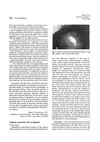
September 1985 in “Journal of The American Academy of Dermatology” The report suggests a possible link between hair loss and hidden scalp tumors but states more evidence is needed to confirm this.
 18 citations
,
February 2014 in “PubMed”
18 citations
,
February 2014 in “PubMed” Androgenetic alopecia is a common hair loss condition caused by testosterone effects on hair follicles, leading to thinner, shorter, and less pigmented hair, diagnosed using scalp dermoscopy and treated with topical minoxidil, antiandrogen agents, and 5-alpha reductase inhibitors.
 14 citations
,
January 2013 in “Journal of Cutaneous Medicine and Surgery”
14 citations
,
January 2013 in “Journal of Cutaneous Medicine and Surgery” Some cancer treatments can cause permanent hair loss.
 11 citations
,
November 2018 in “Journal of the American Academy of Dermatology”
11 citations
,
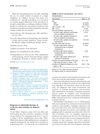
November 2018 in “Journal of the American Academy of Dermatology” Tofacitinib therapy can effectively regrow eyebrows and eyelashes in some alopecia areata patients.
 11 citations
,
May 2009 in “Medical Hypotheses”
11 citations
,
May 2009 in “Medical Hypotheses” Male pattern baldness is an unintended side effect of the body's use of androgens for muscle growth, especially in those genetically prone to it.
5 citations
,
June 2018 in “Elsevier eBooks” Testosterone is important for male sexual traits, reproduction, muscle and bone health, blood production, and metabolism, and works both directly and after being changed into other hormones.
5 citations
,
July 2010 in “Archives of Internal Medicine” Prostaglandins may protect hair follicles during chemotherapy.
 4 citations
,
October 2022 in “Genes”
4 citations
,
October 2022 in “Genes” Our microbiome may affect the development of the hair loss condition Alopecia Areata, but more research is needed to understand this relationship.
3 citations
,
November 2021 in “Frontiers in Medicine” Advanced male pattern baldness affects the back of the scalp, reducing hair follicles.
 3 citations
,
July 2010 in “Archives of internal medicine”
3 citations
,
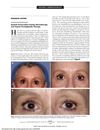
July 2010 in “Archives of internal medicine” A woman kept her eyelashes during chemotherapy possibly because of her glaucoma eye drops.
 2 citations
,
March 2015 in “Clinical and Experimental Dermatology”
2 citations
,
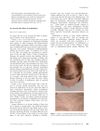
March 2015 in “Clinical and Experimental Dermatology” Azathioprine can cause unusual hair loss, which may reverse after stopping the drug.
 2 citations
,
January 2012 in “InTech eBooks”
2 citations
,
January 2012 in “InTech eBooks” Chemotherapy often causes hair loss, which usually grows back within 3 to 6 months, but there's no effective treatment to prevent it.
1 citations
,
September 2003 in “Praxis” Hair loss is a significant challenge with psychological effects, but treatments like minoxidil and finasteride are effective.
June 2026 in “Journal of Clinical Practice and Medical Case Report.” Trichotillomania can mimic alopecia areata, requiring careful diagnosis and consideration of psychosocial factors in treatment.
 February 2026 in “Journal of the American Academy of Dermatology”
 Ophiasis mainly affects females, lasts longer, and has lower regrowth rates, with a new classification system helping predict treatment response.
 September 2023 in “Gynäkologische Endokrinologie”
 Menopause causes skin and hair to become drier and thinner, but hormone therapy can improve these conditions.
May 2020 in “The Journal of Pediatrics” Tinea capitis can be quickly diagnosed and treated using dermoscopy to prevent hair damage.
Dermal papilla cells can help form hair-like structures in lab-grown skin cells.