 151 citations
,
November 2018 in “International Journal of Pharmaceutics”
151 citations
,
November 2018 in “International Journal of Pharmaceutics” Nanoparticles improve drug delivery through the skin but more research is needed on their long-term effects and skin penetration challenges.
 97 citations
,
September 2006 in “Pharmaceutical Research”
97 citations
,
September 2006 in “Pharmaceutical Research” No treatment fully prevents hair loss from chemotherapy yet.
 61 citations
,
January 2013 in “Indian Journal of Dermatology, Venereology and Leprology”
61 citations
,
January 2013 in “Indian Journal of Dermatology, Venereology and Leprology” Hair usually grows back 1-3 months after treatment for anagen effluvium, and children with Loose Anagen Hair Syndrome often improve by adolescence.
 53 citations
,
January 2007 in “Dermatology”
53 citations
,
January 2007 in “Dermatology” Chemotherapy often causes patterned hair loss, with some scalp areas more resistant to hair loss than others.
 34 citations
,
January 2018 in “International Journal of Dermatology”
34 citations
,
January 2018 in “International Journal of Dermatology” Scalp cooling is the most effective FDA-approved method to prevent chemotherapy-induced hair loss, but more research is needed for other treatments.
 30 citations
,
March 2010 in “European Journal of Dermatology”
30 citations
,
March 2010 in “European Journal of Dermatology” Hair loss in elderly women is often caused by various factors, including hormonal changes after menopause.
 26 citations
,
March 1986 in “Clinical and Experimental Dermatology”
26 citations
,
March 1986 in “Clinical and Experimental Dermatology” Scalp hair grows at 0.37 mm/day, forearm hair at 0.18 mm/day, and thigh hair at 0.30 mm/day, with no significant differences found in people with certain hair conditions.
 14 citations
,
October 2020 in “Natural Products and Bioprospecting”
14 citations
,
October 2020 in “Natural Products and Bioprospecting” Various treatments, including FDA-approved drugs, natural products, and oral supplements, can help with hair loss, but a patient's medical history and potential allergies should be considered when choosing a treatment.
 5 citations
,
September 2012 in “Springer eBooks”
5 citations
,
September 2012 in “Springer eBooks” Nanoparticles can be used to deliver drugs to hair follicles, potentially improving treatments for conditions like acne and alopecia, and could also be used for vaccine delivery and gene therapy.
 2 citations
,
December 2023 in “Journal of Ayurveda and Integrated Medical Sciences”
2 citations
,
December 2023 in “Journal of Ayurveda and Integrated Medical Sciences” Ayurvedic treatment effectively cured a boy's alopecia areata with no side effects or recurrence.
 2 citations
,
October 2016
2 citations
,
October 2016 Chemotherapy and radiotherapy can cause skin side effects like rashes, hair loss, and nail changes, which are usually managed with conservative treatments.
 1 citations
,
September 2013 in “Elsevier eBooks”
1 citations
,
September 2013 in “Elsevier eBooks” Hair ages and thins due to factors like inflammation and stress, and treatments like antioxidants and hormones might improve hair health.
 May 2026 in “International Journal of Drug Delivery Technology”
 Herbs like hibiscus, onion, and aloe vera may help hair growth and are good alternatives to conventional treatments.
 December 2023 in “International journal of research in dermatology”
 The ayurvedic hair oil is safe and effective for reducing hair fall, promoting hair growth, and improving scalp health.
 March 2022 in “International journal of biology, pharmacy and allied sciences”
 Ayurvedic treatment with local herbal applications successfully regrew hair in a patient with alopecia areata.
 July 2018 in “Elsevier eBooks”
 Some drugs can cause reversible hair loss, but certain chemotherapy drugs may lead to permanent hair loss; drugs can also change hair color and texture.
 January 2018 in “Springer eBooks”
 PDE inhibitors, especially PDE4 inhibitors like apremilast, are effective for certain inflammatory skin conditions but have side effects and can be costly.
 January 2014 in “Side effects of drugs annual”
 Exposure to certain sex hormones can increase health risks, while some hormone therapies may offer benefits for specific conditions.
 72 citations
,
January 2001 in “Drugs”
72 citations
,
January 2001 in “Drugs” Minoxidil and finasteride treat hair loss; more research needed for other options.
 33 citations
,
August 2018 in “Facial Plastic Surgery Clinics of North America”
33 citations
,
August 2018 in “Facial Plastic Surgery Clinics of North America” The document explains hair biology, the causes of hair loss, and reviews various hair loss treatments.
 26 citations
,
August 2014 in “PubMed”
26 citations
,
August 2014 in “PubMed” Testosterone improves mood and thinking skills; finasteride has no effect.
 22 citations
,
March 2000 in “Clinics in Dermatology”
22 citations
,
March 2000 in “Clinics in Dermatology” Many treatments for hair loss lack proper testing and FDA approval, so their effectiveness is uncertain.
 8 citations
,
May 2025 in “Dermatology and Therapy”
8 citations
,
May 2025 in “Dermatology and Therapy” Local corticosteroids can help with alopecia areata, but hair loss often returns after stopping treatment.
 8 citations
,
January 1989 in “Annual Reports in Medicinal Chemistry”
8 citations
,
January 1989 in “Annual Reports in Medicinal Chemistry” Hair loss from alopecia areata and androgenetic alopecia can be treated, but more effective and safer treatments are needed.
 7 citations
,
September 2019 in “Journal of The American Academy of Dermatology”
7 citations
,
September 2019 in “Journal of The American Academy of Dermatology” Inflammation and fibrosis are not significantly different in pattern hair loss compared to controls.
 7 citations
,
April 2012 in “Clinical investigation”
7 citations
,
April 2012 in “Clinical investigation” Transdermal testosterone can improve sexual desire in postmenopausal women but lacks long-term safety data and is not FDA-approved for this use.
 January 2026 in “Annals of dermatological science.”
 Stem cells can effectively regrow hair in women with hair loss.
 1 citations
,
January 2006 in “Elsevier eBooks”
1 citations
,
January 2006 in “Elsevier eBooks” Cats lose fur due to various reasons, including allergies, infections, genetics, hormones, diet, cancer, stress, and some conditions are treatable while others are not.
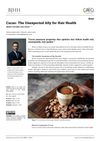 September 2025 in “Brazilian Journal of Hair Health”
 Cacao can improve hair strength and shine.
 403 citations
,
November 2005 in “Journal of Endocrinology”
403 citations
,
November 2005 in “Journal of Endocrinology” Dehydroepiandrosterone (DHEA) is a prohormone important for producing sex steroids and has potential health benefits.