 5 citations
,
February 2015 in “Journal of Comparative Pathology”
5 citations
,
February 2015 in “Journal of Comparative Pathology” High proliferative activity and peripheral invasion indicate malignancy in canine sebaceous gland tumors; the term 'epithelioma' should be updated for clarity.
 45 citations
,
September 1998 in “Journal of Investigative Dermatology”
45 citations
,
September 1998 in “Journal of Investigative Dermatology” The enzyme 17β-HSD type 2 mainly performs oxidation in human sebaceous glands, which may help protect against acne.
241 citations
,
August 2005 in “Journal of Investigative Dermatology Symposium Proceedings” Dandruff and seborrheic dermatitis are caused by yeast feeding on scalp oils, leading to irritation and flaking.
 30 citations
,
April 2007 in “Dermatologic Clinics”
30 citations
,
April 2007 in “Dermatologic Clinics” The document concludes that new treatments are needed to better manage acne and reduce side effects related to current therapies.
1 citations
,
January 1988 Topical DHEA safely increases skin oil production.
36 citations
,
October 2009 in “Journal of biological chemistry/The Journal of biological chemistry” Two new compounds were found to build bone and muscle without affecting reproductive organs and skin oil glands.
69 citations
,
August 1988 in “Journal of Investigative Dermatology”  4 citations
,
January 1982 in “Endocrinologia Japonica”
4 citations
,
January 1982 in “Endocrinologia Japonica” Androgens regulate 5 alpha-reductase activity in hamster sebaceous glands.
 40 citations
,
January 1994 in “Skin Pharmacology and Physiology”
40 citations
,
January 1994 in “Skin Pharmacology and Physiology” Male hormones affect oil-producing skin cells differently based on their body location, and the drug spironolactone can reduce these effects.
50 citations
,
November 2015 in “Journal of pharmacological sciences” α-mangostin nanoparticles improved acne with minimal irritation.
463 citations
,
September 2004 in “Clinics in dermatology” Effective acne treatments should reduce sebum, bacteria, and inflammation, with isotretinoin being the best for severe cases.
 51 citations
,
January 1989 in “Journal of Investigative Dermatology”
51 citations
,
January 1989 in “Journal of Investigative Dermatology” Men with male-pattern baldness have more androgen receptors in their scalp's oil glands, which may contribute to hair loss.
August 2026 in “Cosmoderma” Hormonal imbalances significantly affect skin disorders like acne, and treatments are focusing on hormonal and metabolic adjustments.
16 citations
,
September 2019 in “Journal of biological chemistry/The Journal of biological chemistry” Mice without certain skin enzymes have faster hair growth and bigger eye glands.
91 citations
,
June 2011 in “The EMBO Journal” TCF/Lef1 activity is essential for proper skin cell development and renewal.
September 2017 in “Zenodo (CERN European Organization for Nuclear Research)” Liquorice extract may help treat acne by reducing sebum production.
 37 citations
,
November 1995 in “Journal of Investigative Dermatology”
37 citations
,
November 1995 in “Journal of Investigative Dermatology” Topical finasteride and flutamide reduce gland size and enzyme activity, with flutamide being more potent, potentially treating acne, seborrhea, hirsutism, and androgenic alopecia.
70 citations
,
August 2006 in “Cancer Research” AP-1 controls tumor cell type by affecting key signaling pathways.
 25 citations
,
April 1949 in “The journal of experimental zoology”
25 citations
,
April 1949 in “The journal of experimental zoology” Testosterone applied to rabbit skin increases skin cell growth and changes skin structure.
January 2010 in “Jounal of The Korean Society of cosmetology” Rosemary oil may promote hair growth by enhancing enzyme activities and IGF-1 expression.
14 citations
,
September 1983 in “Acta Dermato Venereologica” Citral increases sebaceous gland activity in male rats.
10 citations
,
February 1976 in “The Journal of Dermatology” γ‐Oryzanol ointment increases sebaceous gland activity and sebum production.
![Activity of 17β-(N-Alkyl/Arylformamido) and 17β-[(N-Alkyl/Aryl) Alkyl/Arylamido]-4-Methyl-4-Aza-5α-Androstan-3-Ones as 5α-Reductase Inhibitors in the Hamster Flank Organ and Ear](/images/assets/861159f1-7bd4-420c-a16b-4829458efe68/small/15592.jpg) 10 citations
,
August 1998 in “Journal of Investigative Dermatology”
10 citations
,
August 1998 in “Journal of Investigative Dermatology” The compounds tested could potentially treat hair loss and alopecia.

Inhibiting AP-1 changes skin tumor types and affects tumor cell identity.

Inhibiting AP-1 changes skin tumor types and affects tumor cell identity.
 41 citations
,
October 2008 in “The American journal of pathology”
41 citations
,
October 2008 in “The American journal of pathology” Blocking a specific protein signal can make hair grow on mouse nipples.
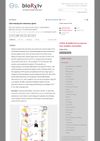 August 2023 in “bioRxiv (Cold Spring Harbor Laboratory)”
 The research found that specific stem cells maintain skin gland openings and that disrupting their activity can cause blockages or early cancer signs, indicating a need for targeted treatments.
 7 citations
,
June 2015 in “The anatomical record”
7 citations
,
June 2015 in “The anatomical record” Hexi cashmere goats' hair growth varies by stage, with Hoxc13 linked to hair activity.
 305 citations
,
February 2007 in “Hormone and metabolic research”
305 citations
,
February 2007 in “Hormone and metabolic research” Human skin makes sexual hormones that affect hair growth, skin health, and healing; too much can cause acne and hair loss, while treatments can manage these conditions.
 175 citations
,
April 1982 in “Journal of The American Academy of Dermatology”
175 citations
,
April 1982 in “Journal of The American Academy of Dermatology” Isotretinoin is highly effective in treating severe acne, rosacea, and gram-negative folliculitis.