25 citations
,
November 2015 in “Journal of Dermatological Science” Sebum helps protect human skin from microbes.
25 citations
,
October 2007 in “Developmental biology” Clim proteins are essential for maintaining healthy corneas and hair follicles.
22 citations
,
June 2010 in “Experimental Dermatology” Lower MC2R expression may contribute to alopecia areata.
21 citations
,
December 2007 in “Journal of Investigative Dermatology” Hair follicles evolved from oil glands, with hair aiding secretion transport.
18 citations
,
August 2015 in “International Journal of Molecular Sciences” Ovine hair follicle stem cells can regenerate haired skin and may improve wool production.
5 citations
,
April 2014 in “Journal of Lipid Research” SCD1 inhibitors can cause skin issues in rodents.
 4 citations
,
January 2017 in “PubMed”
4 citations
,
January 2017 in “PubMed” Epidermal growth factor helps stem cells heal wounds and regenerate hair follicles faster.
3 citations
,
April 2019 in “Stem cells international” Markers CRABP1, Nestin, and Ephrin B2 are present in skin cancer environments and may influence their development.
1 citations
,
January 2004 in “Adelaide Research & Scholarship (AR&S) (University of Adelaide)” SPARC likely aids in tissue remodeling during the hair cycle, not in starting new hair growth phases.
 March 2026 in “Dermatopathology”
 Different types of skin gland tumors have unique genetic traits, which can guide personalized treatments.

Different stem cells are key for hair growth and health, and understanding their regulation could help treat hair loss.
 June 2023 in “Journal of biological chemistry/The Journal of biological chemistry”
 Sdr16c5 and Sdr16c6 genes regulate a key point in lipid production that affects eye and skin gland function.
December 2019 in “RIUnB Institutional Repository (University of Brasília)” NP-AH-CDM-4 nanoparticles show promise for effective topical acne treatment.
June 2018 in “Journal of the American Veterinary Medical Association” Three related Persian cats have a rare, likely hereditary skin condition causing hair loss and poor coat quality, with limited treatment options.
August 2016 in “KU ScholarWorks (The University of Kansas)” Using Wharton's jelly stem cells and scaffolds can help regenerate skin and hair.
Hair follicles can effectively absorb nano-sized particles, making them potential targets for localized drug delivery.
59 citations
,
August 1981 in “PubMed” Trichilemmal keratinization is a unique process in hair follicles where the outer root sheath turns into keratin without a specific layer.
37 citations
,
August 2024 in “Current Issues in Molecular Biology” Keratins 6, 16, and 17 increase in damaged or diseased skin and may help diagnose skin issues.
31 citations
,
December 2021 in “Materials” The gels improved wound healing in diabetic mice but need human trials.
9 citations
,
September 2013 in “Journal of histochemistry and cytochemistry/The journal of histochemistry and cytochemistry” Matriptase is highly active in hair follicles and sebaceous glands, especially during hair growth phases.
5 citations
,
February 2015 in “Ophthalmic plastic and reconstructive surgery” Two new types of eyelid cysts were identified, each with different treatment challenges.
 February 2026 in “International Journal of Molecular Sciences”
 PDLLA filler can improve hair thickness and shine by reducing age-related hair decline.
 April 2024 in “Applied biological chemistry”
 Piperine from black pepper can make hair less oily by blocking fat cell development in hair roots.
Alopecia areata is reversible because hair follicles can regenerate due to stem cells.
 March 2014 in “Anais Brasileiros de Dermatologia”
 Hair follicles are a key source of stem cells for skin repair and could help treat baldness.
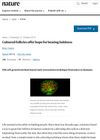
Growing hair follicles from cultured cells could potentially treat baldness, but more research is needed.
 January 2022 in “Springer eBooks”
 The book explains causes and treatments for common hair loss, its psychological effects, related health risks, and emphasizes early screening and lifestyle changes.
 January 1996 in “Springer eBooks”
 Hair can regrow if the sebaceous gland is intact, even if the hair root is removed.
53 citations
,
July 2016 in “Cosmetics” Future hair cosmetics will be safer and more effective.
352 citations
,
August 2003 in “Proceedings of the National Academy of Sciences” Nestin is found in hair follicle progenitor cells, linking them to neural stem cells.