 2 citations
,
December 2019 in “Al-ʻulūm al-ṣaydalāniyyaẗ”
2 citations
,
December 2019 in “Al-ʻulūm al-ṣaydalāniyyaẗ” The CTLA-4 gene change studied does not affect Polycystic Ovarian Syndrome in the women tested.
1 citations
,
May 2019 in “PubMed” Metformin for PCOS can rarely cause side effects like joint pain and behavior changes.
 October 2022 in “JAAD case reports”
 A man with itchy skin lesions and weight loss was diagnosed with a rare skin condition linked to a pancreatic tumor.
 March 2023 in “Journal of Cosmetic Dermatology”
 A woman's progressive hair loss was correctly diagnosed as a rare condition called fibrosing alopecia in a pattern distribution after initially being mistaken for a more common type.
 September 2025 in “Journal of Psychiatry Spectrum”
 Mirtazapine can cause male breast enlargement.
 January 2023 in “Journal of Cosmetics, Dermatological Sciences and Applications”
 The hair growth serum Trichosera® was effective in increasing hair regrowth and density and reducing hair fall without significant side effects.
16 citations
,
December 2020 in “PloS one” Researchers found WNT10A to be a key gene in developing goat hair follicles.
 35 citations
,
May 2008 in “Journal of Clinical Oncology”
35 citations
,
May 2008 in “Journal of Clinical Oncology” A cancer patient died from a severe skin reaction after taking the drug cetuximab.
 14 citations
,
January 2016 in “Experimental and molecular pathology”
14 citations
,
January 2016 in “Experimental and molecular pathology” Giving immune serum from vaccinated mice to mice without T cells prevents infection and tumor growth.
13 citations
,
January 2002 in “Biochemical and biophysical research communications” Interferon β from hair cells stops the growth of other hair cells.
 11 citations
,
April 2009 in “Pharmacotherapy”
11 citations
,
April 2009 in “Pharmacotherapy” Minoxidil can cause deadly skin reaction; monitor patients closely.
2 citations
,
July 2025 in “Cells” Platelet lysate is better than fetal bovine serum for growing stem cells and healing wounds.
 2 citations
,
August 2022 in “Federal Practitioner”
2 citations
,
August 2022 in “Federal Practitioner” A severe medication reaction required long treatment and led to hair loss and thyroid issues.
 77 citations
,
June 2006 in “Best Practice & Research Clinical Endocrinology & Metabolism”
77 citations
,
June 2006 in “Best Practice & Research Clinical Endocrinology & Metabolism” The document concludes that accurate measurement of serum androgens is crucial for diagnosing hyperandrogenism.
 5 citations
,
June 2024 in “Cureus”
5 citations
,
June 2024 in “Cureus” The methods tested are reliable for assessing dandruff reduction.
 2 citations
,
January 1997 in “Journal of Clinical Biochemistry and Nutrition”
2 citations
,
January 1997 in “Journal of Clinical Biochemistry and Nutrition” Biotin deficiency causes severe hair loss and weight reduction in germ-free mice.
 7 citations
,
July 1990 in “Journal of the American Academy of Dermatology”
7 citations
,
July 1990 in “Journal of the American Academy of Dermatology” A woman with bullous pemphigoid had an allergic reaction to azathioprine, but got better with alternative treatments.
 1 citations
,
March 2004 in “Military Medicine”
1 citations
,
March 2004 in “Military Medicine” The retired colonel's ankle swelling was caused by a reaction to the antibiotic levofloxacin.
 April 2018 in “The journal of investigative dermatology/Journal of investigative dermatology”
 Samcyprone ointment is effective for treating common warts if a sensitization reaction occurs first.
 8 citations
,
May 2010 in “Dermatologic clinics”
8 citations
,
May 2010 in “Dermatologic clinics” New treatments for skin conditions in children include a preferred drug for birthmark reduction, proactive creams for eczema and vitiligo, a safe psoriasis medication, and special tissues and socks for eczema and fungal infections.
 7 citations
,
January 2009 in “Immunological investigations”
7 citations
,
January 2009 in “Immunological investigations” A 3-year-old boy lost all his hair due to a rare reaction to phenobarbital, but it grew back after steroid treatment.
 7 citations
,
January 1989 in “Leprosy Review”
7 citations
,
January 1989 in “Leprosy Review” A woman with leprosy improved after stopping dapsone and getting treatment for a severe skin reaction and nail changes.
 1 citations
,
April 2018 in “Lasers in Surgery and Medicine”
1 citations
,
April 2018 in “Lasers in Surgery and Medicine” New treatments and technologies in laser medicine show promise for improving skin conditions, fat reduction, cancer treatment, wound healing, and hair restoration.
 1 citations
,
May 2002 in “British Journal of Dermatology”
1 citations
,
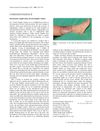
May 2002 in “British Journal of Dermatology” Hair loss caused by longer latent hair cycle and sudden miniaturization, not gradual follicle size reduction.
 August 2019 in “Journal of The American Academy of Dermatology”
 PFD patch helps laser tattoo removal, trichoscopy diagnoses AGA, and serum boosts SOD activity.
 May 2002 in “British Journal of Dermatology”
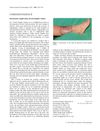
 Hair loss caused by longer latent hair cycle and sudden miniaturization, not gradual follicle size reduction.
 7 citations
,
February 2010 in “British Journal of Dermatology”
7 citations
,
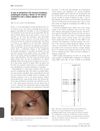
February 2010 in “British Journal of Dermatology” A woman with a rare autoimmune disorder had a blister on her eye and unique immune reaction, which was effectively treated with medication.
 32 citations
,
November 2011 in “International Journal of Dermatology”
32 citations
,
November 2011 in “International Journal of Dermatology” Diagnose and manage CCCA with thorough history, exams, and labs; treat with anti-inflammatory agents, stress reduction, and stopping harmful hair practices.
 4 citations
,
January 1987 in “Journal of The American Academy of Dermatology”
4 citations
,
January 1987 in “Journal of The American Academy of Dermatology” A man with both skin lesions and lung cancer improved quickly with chemotherapy, suggesting the skin condition might be a reaction to immune system injury.
 January 2022 in “Dermatology Review”
 Higher IL-31 levels are linked to worse itching in chronic kidney disease patients.