33 citations
,
January 2004 in “Photochemistry and Photobiology” Superoxide dismutase (SOD) can prevent hair graying in mice.
1 citations
,
April 2015 in “InTech eBooks” RAGE is a potential target for melanoma treatment, but its effectiveness is uncertain due to variable expression levels.
8 citations
,
July 2023 in “Inflammation and Regeneration” ALKBH5 helps wounds heal faster by stabilizing PELI2 mRNA.
 36 citations
,
January 2018 in “Scientific reports”
36 citations
,
January 2018 in “Scientific reports” Eating glucoraphanin can help prevent psychosis in offspring whose mothers had immune system activation.
10 citations
,
December 1991 in “Annals of the New York Academy of Sciences” Minoxidil boosts hair growth in genetically modified mice.
6 citations
,
August 2024 in “Advanced Science” A new method efficiently creates biaryl N-oxides with potential for cancer treatment and drug development.
 May 2022 in “Experimental dermatology”
 Trichothiodystrophy hair is structurally abnormal with protein and organization issues.
24 citations
,
October 2019 in “Genes” A new sheep gene, KRTAP36-1, may help breed sheep with better wool by reducing prickle factor.
December 2025 in “Biomolecules” Targeting protein S-palmitoylation could lead to new skin disease treatments.
 November 2022 in “The journal of investigative dermatology/Journal of investigative dermatology”
 Hemoglobin α acts as an antioxidant in skin cells, especially protecting hair follicle stem cells from UV damage.
 April 2021 in “Animal Bioscience”
 5-Aminolevulinic acid can help chicken sperm move better at the right amount.
1 citations
,
June 2011 in “Journal of the Society of Cosmetic Scientists of Korea” The modified oriental prescriptions help hair growth and melanin production without irritating the skin.
 36 citations
,
October 2009 in “Journal of Investigative Dermatology”
36 citations
,
October 2009 in “Journal of Investigative Dermatology” Dihydrotestosterone can be made from dehydroepiandrosterone in skin cells without needing testosterone.
 October 2013 in “Journal of Investigative Dermatology”
 Collagen VII helps skin heal and stay strong, sirolimus may lower skin cancer risk in kidney transplant patients, high-molecular-mass hyaluronan helps naked mole rats resist cancer, dermal γδ T cells aid in hair growth in rodents, and overexpression of IL-33 in mouse skin causes itchiness, offering a model for studying allergic inflammation treatments.
 14 citations
,
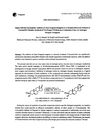
February 1994 in “Tetrahedron Letters”
14 citations
,
February 1994 in “Tetrahedron Letters” Adding cerium(III) chloride to Grignard reagents improves the making of compounds that could treat prostate issues and hair loss.
2 citations
,
January 2012 in “PubMed” Mycophenolate mofetil is effective for treating severe lupus nephritis in children.
7 citations
,
January 2020 in “Journal of King Saud University - Science” Celery helps protect against developmental and brain issues in mice exposed to certain toxins.
 23 citations
,
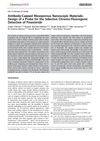
October 2012 in “ChemistryOpen”
23 citations
,
October 2012 in “ChemistryOpen” Probe detects finasteride with high selectivity and low detection limit.
7 citations
,
January 1997 in “Bioscience Biotechnology and Biochemistry” Sheep hair follicle transglutaminases are calcium-dependent.
 April 2024 in “BMB Reports”
 Lack of Cisd2 disrupts calcium balance in cells, leading to poorly functioning neutrophils.
 220 citations
,
August 1988 in “Clinical endocrinology”
220 citations
,
August 1988 in “Clinical endocrinology” Melatonin may help with sleep issues, depression, and cancer, but more research is needed.
2 citations
,
May 1979 in “PubMed” Monilethrix is not caused by a metabolic defect.
June 2015 in “OhioLink ETD Center (Ohio Library and Information Network)” UVB exposure affects retinoid metabolism, which is important for skin cancer progression and treatment.
 10 citations
,
October 2018 in “Plant Biotechnology”
10 citations
,
October 2018 in “Plant Biotechnology” Researchers found two enzymes in Avicennia marina that help produce maslinic acid and corosolic acid, which have medicinal benefits.
 January 2014 in “Sen i Gakkaishi”
 Liposome-encapsulated thioglycolic acid improves hair perming effectiveness and durability.
12 citations
,
November 2004 in “Photochemistry and Photobiology” Superoxide dismutase (SOD) can prevent hair graying in mice.
 5 citations
,
January 2004 in “Biochimie”
5 citations
,
January 2004 in “Biochimie” Arsenic trioxide effectively treats APL, improving survival rates despite its toxicity.
2 citations
,
September 2024 in “Animals” Key genes influence melanin in chicken muscles, affecting their value.
7 citations
,
December 2006 Tribulus terrestris extract significantly increases MSH expression and melanin production in mouse hair follicles.
 12 citations
,
August 1984 in “Genetics Research”
12 citations
,
August 1984 in “Genetics Research” The N gene affects the protein makeup of mouse hair.