Search
for
Sort by
Research
510-540 / 1000+ resultsresearch Alopecia androgenética en mujeres
Androgenetic alopecia causes hair thinning in women, affecting their quality of life.
research B‐ RAF , naevi and melanoma: a complex relationship
Male hair loss is mainly due to thinner hair, not less hair.
research Male androgenetic alopecia
Hair loss in men can be slowed or reversed with treatments like minoxidil and finasteride, but it resumes if treatment stops. It may also indicate early heart disease and obesity.
research Typisch androgenetische Alopezie?
Hair thinning on top of the head is common in female androgenetic alopecia.

research Frontal fibrosing alopecia: clinical presentations and prognosis
FFA is more common in postmenopausal women, can affect younger women, and may stabilize over time.
research Erosive pustular dermatosis of the scalp
Topical steroids can manage chronic scalp pustules in elderly women.
research Quantitative Analysis Using the Phototrichogram Technique of an Italian Population Suffering from Androgenic Alopecia
As people get older, they have less active hair growth, but women have thicker hair than men and respond better to hair loss treatments.
research Favorable effects of microneedling on long‐standing androgenetic alopecia in an elderly man: A case report
Microneedling with minoxidil improved hair growth in elderly man.
research Tinea capitis in Older Adults: A Neglected and Misdiagnosed Scalp Infection—A Systematic Review of Reported Cases
Tinea capitis in older adults is often misdiagnosed but can be effectively treated with antifungal therapy.
research Androgenetic Alopecia: Clinical Treatment

research Hair and Nail Conditions: Alopecia Evaluation.
Alopecia causes hair loss and should be treated early, especially scarring types where hair cannot regrow.
research Postmenopausal frontal fibrosing alopecia. Scarring alopecia in a pattern distribution
Postmenopausal frontal fibrosing alopecia may be a unique condition linked to postmenopausal changes.
research Hair through the female life cycle
Women's hair generally gets thinner and less dense starting in their mid-thirties, with hair loss becoming more common as they age due to both genetics and environment.

research Introductory Chapter: Alopecia Management – An Update
Some types of hair loss can be reversed, others are permanent, and treatments vary by type.
research Frontal fibrosing alopecia: A review of 60 cases
Mostly postmenopausal Caucasian women get Frontal Fibrosing Alopecia, which often includes eyebrow loss and has limited treatment success.

research Bilateral temporal alopecia in male androgenetic alopecia: An unusual new presentation
Atypical male hair loss may not respond to usual treatments.
research Male Pattern Androgenetic Alopecia
Androgens contribute to common male hair loss; more research needed for hair growth medication.
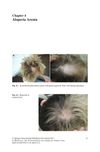
research Alopecia Areata
A 45-year-old woman with autoimmune diseases experienced patchy hair loss due to alopecia areata, which has no cure but can be treated, with varying success.

research Male Androgenetic Alopecia
New understanding of hair loss could lead to better treatments.
research Behcet's disease and complex aphthosis
Aging affects hair density and skin health, and Behcet's disease, a complex condition with no specific test, involves sores and systemic issues, treated with various medications.
research Androgenetic alopecia: Clinical features and trichoscopy
Early detection and trichoscopy are key for treating hair loss effectively.
research The childbearing years: hair diseases
Different hair diseases affect people during childbearing years, with treatments ranging from medication to psychological support.
research Multifocal alopecia of the scalp, axillae, and body
A young man was diagnosed with a rare hair loss condition usually seen in older women.

research Treatments of hereditary hair loss (alopecia)
Some treatments like minoxidil, finasteride, and surgery can help with hereditary hair loss.
research Severe androgenetic alopecia as a proxy of metabolic syndrome in male psoriatic patients older than 59 years
Severe hair loss links to metabolic issues in older men with psoriasis.

research Hair and Aging.
Hair becomes thinner, grayer, and may fall out more as people get older, and styling habits can worsen these effects.

research Androgenetic alopecia
Androgenetic alopecia, or common baldness, is the main cause of hair loss in men due to shrinking hair follicles from hormones, and it's normal but can be a problem if it's too much or too early.