 6 citations
,
January 2017 in “British Journal of Dermatology”
6 citations
,
January 2017 in “British Journal of Dermatology” Frontal fibrosing alopecia is a scarring hair loss condition mainly affecting older women, with no known cause and treatments that may help stabilize hair loss.
 421 citations
,
April 2012 in “The New England Journal of Medicine”
421 citations
,
April 2012 in “The New England Journal of Medicine” Alopecia Areata is an autoimmune condition causing hair loss with no cure and treatments that often don't work well.
January 2006 in “Casopís lékar̆ů c̆eských” Female hair loss is influenced by genetics and hormones, often starting in middle age or after hormonal changes.
 19 citations
,
January 2011 in “Clinics”
19 citations
,
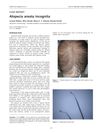
January 2011 in “Clinics” A young woman with a rare hair loss condition improved with steroid and biotin treatment.
January 2012 in “The Year book of dermatology” 13 citations
,
March 2020 in “Spectrochimica Acta Part A Molecular and Biomolecular Spectroscopy” Alopecic hair has more irregular structures and chemical changes than normal hair, reducing its strength.
1 citations
,
January 2004 in “Journal of Clinical Dermatology” Young people with mild hair loss may experience it due to social stress.
 2 citations
,
June 1980 in “International Journal of Dermatology”
2 citations
,
June 1980 in “International Journal of Dermatology” Scalp biopsies are important for diagnosing hair loss conditions.
January 2022 in “Voennaâ medicina” A new method for treating male pattern baldness in men with a low chance of improvement was discussed.
 January 2016 in “Journal of The American Academy of Dermatology”
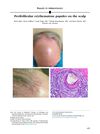
 The woman has a type of scarring hair loss with red bumps around hair follicles.

Minoxidil and finasteride are the only FDA-approved treatments for hair loss caused by genetic and hormonal factors, but their effectiveness is often doubted, indicating a need for new treatments.
 13 citations
,
July 2004 in “Skinmed”
13 citations
,
July 2004 in “Skinmed” Common types of non-scarring hair loss have various causes and treatments, but more effective solutions are needed.
192 citations
,
October 1998 in “Experimental Dermatology” Androgenetic alopecia involves complex hair follicle changes and knowledge gaps remain.
 4 citations
,
May 2002 in “Therapeutische Umschau”
4 citations
,
May 2002 in “Therapeutische Umschau” AGA treated with finasteride, minoxidil, and hair transplantation.
 234 citations
,
December 1996 in “Journal of The American Academy of Dermatology”
234 citations
,
December 1996 in “Journal of The American Academy of Dermatology” Middle-aged women with chronic telogen effluvium experience increased hair shedding but usually don't get significantly thinner hair.
1 citations
,
August 2005 in “Springer eBooks” Alopecia areata is an autoimmune disease with genetic links, treatable with certain medications, and can affect mental health.
 5 citations
,
September 2015 in “PubMed”
5 citations
,
September 2015 in “PubMed” New treatments for progressive hair loss in aging men are being developed, including targeted medical therapies, light therapy, plasma injections, and robotic hair transplantation.
 16 citations
,
January 2007 in “Actas dermo-sifiliográficas/Actas dermo-sifiliográficas”
16 citations
,
January 2007 in “Actas dermo-sifiliográficas/Actas dermo-sifiliográficas” The document concludes that there are no reliable treatments for frontal fibrosing alopecia, with only temporary benefits from current options.
 30 citations
,
November 2012 in “Anais Brasileiros De Dermatologia”
30 citations
,
November 2012 in “Anais Brasileiros De Dermatologia” Diagnosing diffuse alopecia, a hair loss condition, can be challenging and may require a scalp biopsy or tracking the disease's progression when symptoms and skin tests aren't enough.
About half of people with mild alopecia areata see hair regrowth in a year, but relapses are common.
 March 2025 in “Journal of Clinical Medicine”
 Frontal fibrosing alopecia in men is often misdiagnosed and needs better diagnostic criteria and treatment strategies.
 1 citations
,
April 2020 in “Journal of The American Academy of Dermatology”
1 citations
,
April 2020 in “Journal of The American Academy of Dermatology” 5ARI treatment improves hair growth in older men with minimal side effects.
February 1980 in “PubMed” 1 citations
,
November 2022 in “Journal of pharmaceutical negative results” Alopecia areata is an autoimmune condition causing patchy hair loss, with treatments focusing on immune system regulation and hair regrowth.
July 2026 in “Journal of the American Academy of Dermatology”  339 citations
,
February 2014 in “Journal of The American Academy of Dermatology”
339 citations
,
February 2014 in “Journal of The American Academy of Dermatology” Most patients with frontal fibrosing alopecia are postmenopausal women, and treatments like finasteride and dutasteride can improve or stabilize the condition.
 14 citations
,
December 2020 in “Journal of Investigative Dermatology”
14 citations
,
December 2020 in “Journal of Investigative Dermatology” Aging causes changes in the scalp that can affect hair growth and lead to older-looking hair in women.
 2 citations
,
May 2018 in “Journal of The American Academy of Dermatology”
2 citations
,
May 2018 in “Journal of The American Academy of Dermatology” Hypothyroidism patients with hair loss typically have thinning hair, smaller hair follicles, and normal hair shedding.
 May 2024 in “Research Square (Research Square)”
 Pediatric androgenetic alopecia is linked to obesity, family history, hormonal imbalances, and requires personalized treatment including managing comorbidities.