 January 2022 in “Clinical Cases in Dermatology”
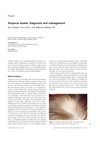
 A 62-year-old woman with hair loss and scalp itching was diagnosed with lichen planopilaris, treated initially with topical corticosteroids, and other possible treatments include systemic steroids, antimalarials, and more.
August 2023 in “Clinical Infectious Diseases” The woman's scalp condition caused hair loss and scarring, but the exact cause is unknown.
 48 citations
,
May 1999 in “International Journal of Dermatology”
48 citations
,
May 1999 in “International Journal of Dermatology” Alopecia areata is an unpredictable autoimmune hair loss condition, treated based on severity, with half of patients regrowing hair within a year without treatment.
 23 citations
,
April 2021 in “Journal of Clinical Medicine”
23 citations
,
April 2021 in “Journal of Clinical Medicine” Frontal Fibrosing Alopecia's cause is unclear, affects mainly postmenopausal women, and current treatments focus on stopping hair loss rather than regrowth.
 3 citations
,
July 2013 in “Journal of Cutaneous Pathology”
3 citations
,
July 2013 in “Journal of Cutaneous Pathology” A woman's hair loss, resembling an autoimmune condition, improved after treatment, but requires ongoing checks due to potential serious associations.
 30 citations
,
December 1999 in “International Journal of Dermatology”
30 citations
,
December 1999 in “International Journal of Dermatology” Finasteride increases hair count in middle-aged and elderly men without causing sexual dysfunction.
May 2022 in “Dermatology practical & conceptual” Trichoscopy is crucial for diagnosing and managing androgenetic alopecia, showing increased vellus hairs, empty follicles, and fibrosis with severity.
October 2025 in “JURNAL BIOLOGI TROPIS” Androgenetic alopecia is common hair loss due to genetics and hormones, manageable with early treatment.
 4 citations
,
May 2022 in “Frontiers in Medicine”
4 citations
,
May 2022 in “Frontiers in Medicine” About 11% of patients with secondary syphilis had Syphilitic Alopecia, which usually improved with treatment.
May 2011 in “Harper's Textbook of Pediatric Dermatology” Alopecia areata causes patchy hair loss and has no cure, but treatments like corticosteroids and minoxidil can help.
January 2004 in “Medicine Today” Topical minoxidil helps hair regrowth in over 50% of men and women.
 35 citations
,
March 2014 in “British Journal of Dermatology”
35 citations
,
March 2014 in “British Journal of Dermatology” Hair loss in male pattern baldness involves muscle degeneration and increased scalp fat.
 June 2022 in “Authorea (Authorea)”
 A 59-year-old woman was diagnosed with a rare hair loss condition called lipedematous alopecia.
 November 2023 in “The journal of investigative dermatology/Journal of investigative dermatology”
 Early treatment and multidisciplinary care are key to managing Frontal Fibrosing Alopecia and preventing further hair loss.
 May 2003 in “Facial Plastic Surgery Clinics of North America”
 Hair loss can be treated with medications like minoxidil and finasteride or surgery, but treatment effectiveness varies by alopecia type and accurate diagnosis is important.
 July 1997 in “The Lancet”
 A new protein linked to Alzheimer's was discovered, and a hair loss treatment showed effectiveness but had some sexual side effects.
January 2006 in “The Year book of dermatology” 6 citations
,
January 2004 in “Der Hautarzt” Patient history is key in diagnosing hair loss types.
 2 citations
,
October 2022 in “Journal of structural biology”
2 citations
,
October 2022 in “Journal of structural biology” Older thin hair is not just thinner but also has different shape, structure, and stiffness.
 1 citations
,
July 2018 in “Elsevier eBooks”
1 citations
,
July 2018 in “Elsevier eBooks” Heredity and hormones cause common hair loss, and topical minoxidil is the first recommended treatment.
 July 2012 in “Springer eBooks”
 The document concludes that proper diagnosis and treatment of nonscarring alopecias can improve quality of life and hair regrowth is possible as the hair follicle remains intact.
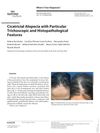 November 2018 in “Skin appendage disorders”
 The document concludes that a woman has both Frontal Fibrosing Alopecia and Lichen Simplex Chronicus, a previously unreported combination of conditions.
1 citations
,
July 2024 in “Indian Journal of Sexually Transmitted Diseases and AIDS” Syphilitic alopecia can be effectively diagnosed and treated, leading to hair regrowth.
 7 citations
,
October 2015 in “Actas Dermo-Sifiliográficas”
7 citations
,
October 2015 in “Actas Dermo-Sifiliográficas” New treatments for Frontal Fibrosing Alopecia show promise, especially finasteride and dutasteride, with most patients seeing improvement or stabilization.
 June 2024 in “Bangladesh Journal of Medicine”
 Effective alopecia treatment depends on the specific cause and includes medications and procedures.
 January 2012 in “Postgraduate obstetrics & gynecology”
 Up to 50% of women may experience significant hair loss by age 50, with various causes and treatments available.
 January 2017 in “Elsevier eBooks”
 Androgenetic alopecia is a common form of hair loss in both men and women.
May 2020 in “Archives of Medical Science” Men with androgenetic alopecia have lower levels of certain proteins and more cell damage.
June 2012 in “International journal of scientific research” Hair follicles in androgenetic alopecia show no chemical changes, only size reduction.