 37 citations
,
March 2014 in “Journal of Trace Elements in Medicine and Biology”
37 citations
,
March 2014 in “Journal of Trace Elements in Medicine and Biology” Lower hair zinc and copper levels found in Turkish males with hair loss; higher BMI linked to less hair zinc.
 January 2026 in “International Journal of Pharmaceutical Quality Assurance”
 Alopecia Areata patients have low zinc and high copper levels.
 1 citations
,
February 2022 in “Open Access Macedonian Journal of Medical Sciences”
1 citations
,
February 2022 in “Open Access Macedonian Journal of Medical Sciences” Low zinc levels might contribute to early hair graying.
 3 citations
,
June 2019 in “Journal of Bangladesh Society of Physiologist”
3 citations
,
June 2019 in “Journal of Bangladesh Society of Physiologist” People with hair loss often have lower levels of zinc and copper in their blood.
1 citations
,
January 1985 in “IRIS UNIMORE (University of Modena and Reggio Emilia)”  December 2021 in “Dermatology research”
 Low levels of vitamin B12, ferritin, and calcium are linked to premature graying of hair.
 1 citations
,
November 2011 in “Dermatologica Sinica”
1 citations
,
November 2011 in “Dermatologica Sinica” Women using hair relaxers with alopecia had lower zinc levels, suggesting zinc deficiency might contribute to hair loss.
23 citations
,
February 2017 in “Journal of dermatology” Low serum levels of zinc and selenium may increase the risk of alopecia areata.
 September 2024 in “African Journal of Biomedical Research”
 Alopecia areata patients have lower vitamin D and slightly lower copper levels, so these should be checked.
 July 2018 in “Journal of College of Medical Sciences-nepal”
 Women with certain types of hair loss may have low iron levels.
26 citations
,
October 2011 in “Biological trace element research” Low copper levels might cause premature graying of hair.
 May 2024 in “Pakistan Journal of Health Sciences”
 Iron deficiency is linked to hair loss in CTE patients.
February 2021 in “INTERNATIONAL JOURNAL OF SCIENTIFIC RESEARCH” Low zinc and copper levels may indicate Telogen Effluvium.
52 citations
,
December 1984 in “Journal of the American Geriatrics Society” Mineral levels in hair and serum don't help diagnose Alzheimer's.
 21 citations
,
January 2014 in “Dermatology Research and Practice”
21 citations
,
January 2014 in “Dermatology Research and Practice” Hair and serum levels of zinc, copper, and iron are similar in people with alopecia areata and healthy individuals.
 9 citations
,
January 2013
9 citations
,
January 2013 Alopecia areata patients have lower zinc, copper, and selenium levels than healthy people.
 February 2019 in “Trace elements and electrolytes”
 Women with chronic hair loss had lower levels of zinc, copper, and ferritin than healthy women.
 April 2023 in “Acta Poloniae Pharmaceutica”
 Herbal extract shampoo increased certain minerals in hair and improved hair growth and scalp health.
 73 citations
,
January 2013 in “Annals of Dermatology”
73 citations
,
January 2013 in “Annals of Dermatology” People with hair loss, especially those with certain types, have lower zinc levels, and zinc supplements might help.
 73 citations
,
May 1976 in “JAMA”
73 citations
,
May 1976 in “JAMA” Long-term parenteral nutrition without zinc can cause severe zinc deficiency.
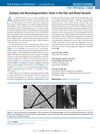 2 citations
,
October 2018 in “The journal of pediatrics/The Journal of pediatrics”
2 citations
,
October 2018 in “The journal of pediatrics/The Journal of pediatrics” The document concludes that specific hair and blood vessel abnormalities in infants with seizures and developmental issues may indicate Menkes disease, which lacks a cure and is often fatal by age 3.
4 citations
,
January 2020 in “Skin appendage disorders” Toxic metals can cause hair loss and should be considered by doctors.
 December 2009 in “DergiPark (Istanbul University)”
 Check serum ferritin levels and total blood count for women with diffuse hair loss.
17 citations
,
January 2018 in “International Journal of Trichology” Low levels of iron, copper, and calcium may contribute to premature hair graying.
51 citations
,
March 1986 in “Acta Dermato Venereologica” Alopecia patients had similar element levels to normal people, except for differences in copper and low selenium.

Low ferritin and vitamin D levels are linked to hair loss.

Low ferritin and vitamin D levels are linked to hair loss, suggesting the need for personalized nutrition and diagnostics.
2 citations
,
January 2011 Zinc deficiency may contribute to alopecia areata and vitiligo.
March 2026 in “Skin Appendage Disorders” Telogen effluvium is linked to low ferritin and vitamin D levels.
5 citations
,
December 2024 in “Journal of Cosmetic Dermatology” Vitamin D and zinc may help treat alopecia areata.