 10 citations
,
July 2018 in “Our Dermatology Online”
10 citations
,
July 2018 in “Our Dermatology Online” Some vitamins and minerals are important for preventing hair loss, but treating hair loss with them without a known deficiency is not proven effective.
 August 2025 in “Nutrition and Health”
 Eating foods rich in vitamin D and iron helps prevent hair loss, while alcohol and sugary drinks can cause it.
Inflammation and metabolic changes are linked to postpartum hair loss after a first C-section.
 January 2022 in “Clinical Cases in Dermatology”
 Lack of certain nutrients may contribute to hair loss and proper diet or supplements could improve it.
3 citations
,
January 2022 in “Anais Brasileiros De Dermatologia” Androgenetic alopecia in teens is linked to obesity and other metabolic risks, needing early diagnosis and management.
5 citations
,
September 2018 in “International journal of genomics” Genetic mutations that disrupt homocysteine breakdown lead to increased damage in mouse hair keratin.
 November 2023 in “International Journal of Women's Dermatology”
 Hormone replacement therapy may improve hair growth in the frontal hairline of postmenopausal women with hair loss.
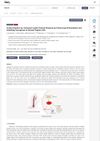 June 2023 in “Antioxidants”
 Lipids from Schizochytrium sp. help prevent hair loss by protecting hair cells from damage and promoting hair growth.
The case showed the need for quick investigation of virilization in women and how emotional health is linked to physical health.
 8 citations
,
February 2022 in “Vascular Health and Risk Management”
8 citations
,
February 2022 in “Vascular Health and Risk Management” Some skin conditions may increase the risk of heart disease, and understanding their connection could lead to better treatments.
 September 2025 in “Tijdschrift voor Geneeskunde”
 Diagnosing thyroid disorders is complex and requires thorough testing due to nonspecific symptoms like hair loss.
Iron deficiency can cause hair loss, but iron supplements can help restore hair growth.
July 2026 in “JAAD reviews.” Female Pattern Hair Loss affects women's quality of life, with limited treatment options and a need for more research.
October 2025 in “Journal of Investigative Dermatology” Iron balance is crucial for skin health, affecting conditions like psoriasis and hair loss.
 2 citations
,
November 2022 in “Bioscience Reports”
2 citations
,
November 2022 in “Bioscience Reports” Polycystic ovary syndrome and iron overload share similar symptoms and can be potentially treated with blood removal, diet changes, and probiotics.
 1 citations
,
January 2023 in “Metabolites”
1 citations
,
January 2023 in “Metabolites” Changes in gut bacteria can contribute to the development of Polycystic Ovary Syndrome (PCOS), affecting metabolism, immunity, and causing inflammation. Treatments may involve adjusting these factors.
Glass ceiling syndrome is linked to stress-related hair loss in female healthcare workers.
 June 2025 in “Journal of Cluster Science”
 Metal nanoparticles show promise for treating hair loss but need more research to ensure safety.
Premature hair graying is common and linked to stress, obesity, vitamin deficiencies, family history, lack of exercise, smoking, and allergies.
29 citations
,
March 2022 in “Biomedicines” Enhancing antioxidant responses can improve treatments for various diseases.
 26 citations
,
February 2016 in “Respiratory Medicine”
26 citations
,
February 2016 in “Respiratory Medicine” Auto-antibody testing is a useful but not definitive tool in diagnosing interstitial lung diseases, and using a specific algorithm could make testing more cost-effective.
 23 citations
,
September 2021 in “Frontiers in Cellular and Infection Microbiology”
23 citations
,
September 2021 in “Frontiers in Cellular and Infection Microbiology” Testosterone's effects on COVID-19 are unclear and need more research.
22 citations
,
January 2021 in “Clinical Therapeutics” Men face more severe COVID-19 outcomes, while women are more likely to have long-term symptoms.
4 citations
,
November 2024 in “International Journal of Molecular Sciences” COVID-19 may worsen Parkinson's disease by affecting certain brain proteins.
 May 2026 in “Endocrine Connections”
 Androgenetic alopecia in PCOS is linked to insulin resistance, inflammation, and genetics, not just hormones.
 December 2025 in “Antioxidants”
 Fermented Yeast Complex Extract helps regrow hair by reducing oxidative stress and inflammation.
 48 citations
,
January 2015 in “Indian Journal of Dermatology, Venereology and Leprology”
48 citations
,
January 2015 in “Indian Journal of Dermatology, Venereology and Leprology” Vitamin D is important for skin health and can help treat psoriasis, atopic dermatitis, and vitiligo.
 March 2012 in “EFSA Journal”
 Iron intake has not been proven to maintain normal hair growth.
Iron and zinc deficiencies may be treated to help female hair loss.
 January 2021 in “Biomedical Research-tokyo”
 Reticulocyte hemoglobin content is the best indicator of iron deficiency causing hair loss in women.