 December 2021 in “Benha Journal of Applied Sciences”
 Higher Claudin 3 levels in the blood are linked to more severe alopecia areata.
September 2020 in “Benha Journal of Applied Sciences” Higher IL-19 levels are linked to more severe Alopecia Areata.
 68 citations
,
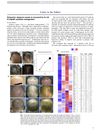
November 2015 in “The Journal of Allergy and Clinical Immunology”
68 citations
,
November 2015 in “The Journal of Allergy and Clinical Immunology” Blocking IL-12/IL-23p40 helped reverse severe hair loss in patients.
 43 citations
,
November 2018 in “Nature Communications”
43 citations
,
November 2018 in “Nature Communications” Genetic variations affecting skin structure play a key role in severe acne.
 24 citations
,
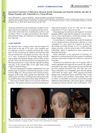
June 2016 in “Acta dermato-venereologica”
24 citations
,
June 2016 in “Acta dermato-venereologica” Tofacitinib helped a young woman's severe hair loss and arthritis but not her plaque psoriasis.
24 citations
,
December 2010 in “Dermatologic surgery” Botulinum toxin type A injections are not effective for severe alopecia areata.
 14 citations
,
February 2021 in “Journal of the European Academy of Dermatology and Venereology”
14 citations
,
February 2021 in “Journal of the European Academy of Dermatology and Venereology” A COVID-19 patient with severe hair loss did not improve with hair loss medication after stopping and restarting it due to the infection.
13 citations
,
January 2017 in “Annals of dermatology/Annals of Dermatology” Simvastatin/ezetimibe may help some patients with severe alopecia areata regrow hair.
 9 citations
,
January 2023 in “Dermatology and therapy”
9 citations
,
January 2023 in “Dermatology and therapy” A 14-year-old girl with severe hair loss regrew her hair using upadacitinib.
 4 citations
,
January 2024 in “JEADV. Journal of the European Academy of Dermatology and Venereology/Journal of the European Academy of Dermatology and Venereology”
4 citations
,
January 2024 in “JEADV. Journal of the European Academy of Dermatology and Venereology/Journal of the European Academy of Dermatology and Venereology” Baricitinib and ritlecitinib are recommended for severe alopecia areata, with other treatments available off-label.
3 citations
,
August 2018 in “Therapeutics and Clinical Risk Management” Corticosteroid therapy for alopecia areata can cause severe hip bone damage.
 2 citations
,
December 2018 in “Journal of cosmetic dermatology”
2 citations
,
December 2018 in “Journal of cosmetic dermatology” Higher CRBP1 levels are linked to more severe alopecia areata.
1 citations
,
January 2024 in “International Journal of Applied Biochemistry and Molecular Biology.” Higher EGF levels are linked to more severe alopecia areata.
 1 citations
,
July 2023 in “Al-Azhar Medical Journal”
1 citations
,
July 2023 in “Al-Azhar Medical Journal” Higher antigliadin antibodies are linked to more severe alopecia areata, suggesting screening for celiac disease in these patients.
March 2026 in “Expert Opinion on Pharmacotherapy” JAK inhibitors are effective for severe alopecia areata but need better strategies for long-term use and personalized treatment.
October 2024 in “Skin Appendage Disorders” Higher FABP4 levels may indicate more severe alopecia areata.
 August 2021 in “Revista Colombiana de Reumatología/Revista Colombiana de Reumatologia”
 Janus kinase inhibitors may effectively treat severe alopecia areata unresponsive to other treatments.
January 2019 in “Egyptian Journal of Dermatology and Venereology /Egyptian Journal of Dermatology and Venerology” Low vitamin D levels might indicate more severe hair loss in alopecia areata patients.
44 citations
,
August 2014 in “Anais brasileiros de dermatologia/Anais Brasileiros de Dermatologia” Methotrexate is a promising and safe treatment for severe alopecia areata, with better results when combined with corticosteroids.
 30 citations
,
May 2016 in “Expert Opinion on Biological Therapy”
30 citations
,
May 2016 in “Expert Opinion on Biological Therapy” New treatments targeting immune pathways show promise for severe hair loss but need more research for safety and effectiveness.
 29 citations
,
March 2019 in “JEADV. Journal of the European Academy of Dermatology and Venereology/Journal of the European Academy of Dermatology and Venereology”
29 citations
,
March 2019 in “JEADV. Journal of the European Academy of Dermatology and Venereology/Journal of the European Academy of Dermatology and Venereology” Older age at onset of alopecia areata leads to less severe and shorter episodes, with most patients experiencing significant hair regrowth.
21 citations
,
October 2023 in “Journal of Dermatological Treatment” Baricitinib effectively reduces hair loss in severe alopecia areata and is generally safe.
 11 citations
,
January 2020 in “Dermatologica Sinica”
11 citations
,
January 2020 in “Dermatologica Sinica” Tofacitinib helps regrow hair in severe alopecia patients, but more research is needed.
 5 citations
,
May 2018 in “Journal of the American Academy of Dermatology”
5 citations
,
May 2018 in “Journal of the American Academy of Dermatology” Lower vitamin D levels might be linked to more severe alopecia areata, but more research is needed to understand if vitamin D can help treat it.
 4 citations
,
November 2021 in “Journal of Clinical Medicine”
4 citations
,
November 2021 in “Journal of Clinical Medicine” Higher levels of CCL7 are linked to more severe hair loss in alopecia areata patients.
 3 citations
,
May 2023 in “Precision clinical medicine”
3 citations
,
May 2023 in “Precision clinical medicine” Researchers found four genes that could help diagnose severe alopecia areata early.
 2 citations
,
August 2020 in “Journal of Cosmetic Dermatology”
2 citations
,
August 2020 in “Journal of Cosmetic Dermatology” Higher granulysin levels in the blood are linked to more severe hair loss in alopecia areata patients, and these levels decrease after effective treatment.
January 2026 in “Archivio istituzionale della ricerca (Alma Mater Studiorum Università di Bologna)” Baricitinib effectively promotes hair regrowth and improves well-being in severe alopecia areata patients.
November 2024 in “Journal of the Philippine Dermatological Society” Combining methotrexate and corticosteroids can effectively regrow hair in severe alopecia areata.
 June 2024 in “Australasian Journal of Dermatology”
 Tofacitinib is safe and effective for treating moderate-to-severe alopecia areata.