 January 2024 in “JEADV clinical practice”
 The study helps doctors use patient images to understand and apply SALT scores for treating severe alopecia areata.
January 2024 in “Physiotherapia Croatica” New treatments like JAK inhibitors offer hope for hair regrowth in severe alopecia areata.
 September 2023 in “PubMed”
 Baricitinib is a relatively safe and effective treatment for severe alopecia areata.
 August 2023 in “Clinical and experimental dermatology and therapies”
 Dupilumab may help hair regrowth in some patients with severe atopic dermatitis, but results vary.
Combining epinephrine with a steroid may help regrow hair in severe alopecia areata cases.
 January 2015 in “British journal of medicine and medical research”
 A woman with severe hair loss due to systemic sclerosis regrew her hair in 4 months using a combination of treatments.
 36 citations
,
November 2005 in “Journal of The American Academy of Dermatology”
36 citations
,
November 2005 in “Journal of The American Academy of Dermatology” Topical latanoprost doesn't effectively regrow hair in severe eyebrow alopecia areata cases.
24 citations
,
March 2009 in “Archives of dermatological research” The combination of oral PUVA and corticosteroids helps regrow hair in severe alopecia areata.
 14 citations
,
January 2020 in “Advances in Dermatology and Allergology”
14 citations
,
January 2020 in “Advances in Dermatology and Allergology” Higher interleukin-15 levels are linked to more severe alopecia areata, but not to age or gender.
12 citations
,
July 2016 in “Journal of dermatology” Intramuscular triamcinolone acetonide is an effective treatment for severe alopecia areata, especially in males.
2 citations
,
December 2024 in “Gene Reports” Higher IL-37 levels are linked to more severe alopecia areata, but the gene variation doesn't affect disease risk.
March 2005 in “Journal of the American Academy of Dermatology” Higher levels of IL-1a and IL-1RA were found in severe alopecia areata cases.
 2 citations
,
September 2020 in “Journal of Education Health and Sport”
2 citations
,
September 2020 in “Journal of Education Health and Sport” Higher IL-15 levels are linked to more severe hair loss in alopecia areata.
 2 citations
,
January 2020 in “Skin appendage disorders”
2 citations
,
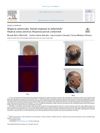
January 2020 in “Skin appendage disorders” Early onset, severe types, nail changes, family history, and body hair loss worsen alopecia areata prognosis; sticking to treatment helps.
 1 citations
,
July 2019 in “Medicina Clínica (English Edition)”
1 citations
,
July 2019 in “Medicina Clínica (English Edition)” Tofacitinib partially improved hair regrowth in a patient with severe hair loss.
 October 2025 in “International Journal of Molecular Sciences”
 Early intervention in patch-type alopecia may prevent progression to more severe forms by targeting immune pathways and preserving keratin.
 September 2025 in “Journal of Dhaka Medical College”
 Lower vitamin D levels are linked to more severe alopecia areata.
 April 2024 in “Expert opinion on investigational drugs”
 JAK inhibitors are safe and effective for treating moderate-to-severe alopecia areata.
 May 2022 in “Benha Journal of Applied Sciences”
 Higher levels of PD-L1 are linked to more severe hair loss in people with Alopecia Areata.
April 2025 in “Sabuncuoglu Serefeddin Health Sciences” Anabolic steroid misuse is a major health issue causing severe health problems and requires better awareness and monitoring.
 45 citations
,
January 2010 in “International journal of trichology”
45 citations
,
January 2010 in “International journal of trichology” Topical immunotherapy, especially with DPCP, is effective for treating severe alopecia areata.
17 citations
,
November 2009 in “Dermato-endocrinology” Medium-dose prednisolone pulse therapy is effective and safe for multifocal alopecia areata but not for more severe forms.
12 citations
,
July 2012 in “Journal of cutaneous medicine and surgery” Adalimumab was safe but mostly ineffective for severe alopecia areata.
11 citations
,
June 2019 in “Journal of dermatology” New medicines that block a specific pathway are showing promise for treating severe hair loss but need more testing for safety and effectiveness.
 3 citations
,
September 2022 in “Journal of the American Academy of Dermatology”
3 citations
,
September 2022 in “Journal of the American Academy of Dermatology” Baricitinib is effective and safe for severe alopecia areata, working similarly with or without an atopic background.
 1 citations
,
September 2025 in “Clinical Cosmetic and Investigational Dermatology”
1 citations
,
September 2025 in “Clinical Cosmetic and Investigational Dermatology” Upadacitinib is effective and safe for treating severe Alopecia Areata in adolescents.
 June 2026 in “Journal of health economics and outcomes research”
 Ritlecitinib is more effective and cost-efficient than baricitinib for severe alopecia areata.
 March 2026 in “Dermatology and Therapy”
 Distinct miRNA signatures could help diagnose and treat severe Alopecia Areata.
February 2026 in “Journal of Allergy and Clinical Immunology” Alopecia areata involves immune system issues and specific cell types that disrupt hair growth, leading to hair loss.
September 2025 in “Diseases” Higher levels of certain proteins in the blood are linked to more severe patchy alopecia areata.