April 2025 in “Anais Brasileiros de Dermatologia” Abrocitinib effectively treats severe alopecia areata with significant improvement and no side effects.
Bempikibart may help regrow hair in people with alopecia areata.
 March 2025 in “Indian Journal of Dermatology Venereology and Leprology”
 Tofacitinib is effective for treating alopecia totalis and universalis, with some patients experiencing significant hair regrowth.
March 2025 in “Clinical and Experimental Dermatology” Older patients without prior JAK inhibitor treatment respond best to tofacitinib for alopecia areata.
Baricitinib effectively treats alopecia areata, with over half of patients improving after 52 weeks.
 February 2025 in “PubMed”
 Switching JAK inhibitors can lead to significant hair regrowth in severe alopecia cases.
January 2025 in “Dermatologic Therapy” Baricitinib works better for alopecia areata in patients not previously treated with tofacitinib.
January 2025 in “Figshare” Compound glycyrrhizin combined with conventional treatments effectively and safely promotes hair regrowth in alopecia areata patients.
January 2025 in “Figshare” Compound glycyrrhizin with conventional treatments is effective and safe for promoting hair regrowth in alopecia areata.

Monthly PRP therapy is more effective than daily minoxidil for alopecia areata.
 June 2024 in “Australasian Journal of Dermatology”
 Tofacitinib is safe and effective for treating moderate-to-severe alopecia areata.
 May 2024 in “Journal of cosmetic dermatology”
 Tofacitinib is an effective and safe treatment for alopecia areata.
Baricitinib effectively promotes hair regrowth in severe alopecia with minimal side effects.
 April 2024 in “Frontiers in pharmacology”
 Brepocitinib 30mg is most effective for moderate-to-severe alopecia areata, but ritlecitinib 50mg may offer a better balance of safety and effectiveness.
 January 2024 in “Dermatologic therapy”
 Tofacitinib is a safe treatment for hair loss in children, but long-term use may be needed for best results.
 January 2024 in “Skin appendage disorders”
 Using growth factors and microneedling shows promise for hair regrowth in Alopecia Areata, but more research is needed.
 December 2023 in “JEADV Clinical Practice”
 A woman's hair grew back with baricitinib treatment, but she developed a temporary hairy tongue that was treated with regular tongue brushing.
 December 2023 in “Journal of health and rehabilitation research”
 Oral Apremilast effectively treats alopecia areata in most patients.
 December 2023 in “Journal of Cosmetic Dermatology”
 Baricitinib effectively and safely improves hair growth in patients with severe alopecia areata.
 November 2023 in “Dermatologica sinica/Zhōnghuá pífūkē yīxué zázhì”
 Upadacitinib helped regrow hair in a severe alopecia areata patient but stopping treatment caused hair loss to return.
November 2023 in “SKIN The Journal of Cutaneous Medicine” Ritlecitinib effectively maintains hair regrowth in alopecia areata patients.
Ritlecitinib significantly regrows scalp hair in people with alopecia areata.
 September 2023 in “Acta dermato-venereologica”
 Tofacitinib is a safe and effective treatment for hair loss in children with Alopecia Areata.
 September 2023 in “British Journal of Dermatology”
 Hair regrowth from severe alopecia areata treatment with baricitinib can vary, with faster results in those with shorter hair loss duration.
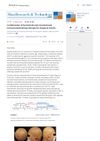 July 2023 in “Skin Research and Technology”
 Baricitinib combined with other immune therapies may safely and effectively treat severe scalp hair loss.
July 2023 in “Anais Brasileiros de Dermatologia” Mesalazine showed limited effectiveness in treating children with severe alopecia areata.
 January 2023 in “Journal of The American Academy of Dermatology”
 Baricitinib helped most teenagers with severe hair loss regrow hair and had mild side effects.
 December 2022 in “Pakistan Journal of Medical and Health Sciences”
 Tofacitinib effectively treats Alopecia Areata.
January 2019 in “Egyptian Journal of Dermatology and Venereology /Egyptian Journal of Dermatology and Venerology” Mixing calcipotriol with a steroid is almost as effective as using a steroid alone for alopecia areata and has fewer side effects.
 August 2018 in “Journal of the American Academy of Dermatology”
 Tofacitinib is a potential alternative treatment for alopecia totalis, especially in patients with a shorter duration of the condition and more preserved hair follicles, but the overall response rate is low.