Search
for
Sort by
Research
390-420 / 1000+ resultsresearch Manipulation of outer root sheath cell survival perturbs the hair-growth cycle
Overexpression of certain genes can shorten hair by disrupting the hair-growth cycle.
research Impact of mTORC1 inhibition on keratinocyte proliferation during skin tumor promotion in wild‐type and BK5.AktWT mice
Rapamycin reduces skin cell growth and tumor development by affecting cell signaling in mice.
research Animal models of human skin disease
Mutations in certain skin proteins cause severe skin issues, while others have limited effects, highlighting the need to understand these proteins for better treatments.
research Nε-(carboxymethyl) lysine represses hair follicle formation by inhibiting Sonic hedgehog expression in a NF-κB-independent manner
Nε-(carboxymethyl) lysine delays hair growth by blocking a key protein.
research BJD Editor's Choice
Some Greek melanoma patients have gene mutations linked to increased cancer risk, a new color feature helps diagnose melanoma, the incidence of a skin condition in the Netherlands is rare, and a gene possibly affects male-pattern baldness.
research A function for Rac1 in the terminal differentiation and pigmentation of hair
Rac1 is crucial for normal hair structure and pigmentation.
research In vivo effects of epidermal growth factor on epidermal pattern formation and hair follicle initiation in the marsupial bandicoot Isoodon macrourus
Epidermal growth factor disrupts hair and gland formation in bandicoots.

research 474 Stabilizing mutations of KLHL24 ubiquitin ligase cause loss of keratin 14 and human skin fragility
Certain mutations in the KLHL24 gene cause a skin disorder by breaking down an important skin protein.
research 861 EGFR/MEK inhibitor therapy induces partial hair follicle immune privilege collapse in vivo and ex vivo

research 1428 DKK2 and SOSTDC1 cooperate to initiate the first catagen phase of the hair follicle growth cycle
DKK2 and SOSTDC1 together are necessary for the normal timing of the first regression phase in the hair growth cycle.
research Mandibulofacial dysostosis with alopecia results from ETAR gain-of-function mutations via allosteric effects on ligand binding
Specific mutations in a receptor cause facial abnormalities and hair loss.
research Tissue regenerative delays and synthetic lethality in adult mice after combined deletion of Atr and Trp53
Removing both Atr and Trp53 genes in adult mice causes severe tissue damage and death due to DNA damage.
research A novel homozygous variant in the dsp gene underlies the first case of non-syndromic form of alopecia
A new gene variant in the DSP gene is linked to a unique type of hair loss.
research Mutations in Homocysteine Metabolism Genes Increase Keratin N-Homocysteinylation and Damage in Mice
Genetic mutations that disrupt homocysteine breakdown lead to increased damage in mouse hair keratin.

research Targeted Skin Overexpression of the Mineralocorticoid Receptor in Mice Causes Epidermal Atrophy, Premature Skin Barrier Formation, Eye Abnormalities, and Alopecia
Overexpressing the mineralocorticoid receptor in mouse skin causes skin thinning, early skin barrier development, eye issues, and hair loss.
research Signal transducer and activator of transcription 5B deficiency due to a novel missense mutation in the coiled-coil domain
A boy's growth and immune problems were caused by a new mutation in the STAT5B gene.
research egfl6 expression in the pharyngeal pouch is dispensable for craniofacial development
Egfl6 is not needed for zebrafish face development.
research Establishment of a murine cGVHD model with scleroderma
A mouse model for studying scleroderma in chronic graft-versus-host disease was successfully created.
research The retarded hair growth ( rhg ) mutation in mice is an allele of ornithine aminotransferase ( Oat )
The rhg mutation in mice affects the Oat gene, causing hair growth issues and other symptoms.
research 1434 Epithelially derived MPZL3 negatively regulates murine and human sebaceous gland size and sebocyte proliferation
MPZL3 protein helps control the size of oil glands and the growth of oil-producing cells in both mice and humans.
research [Molecular cloning of full-long cDNA sequences encoding hairless gene in the Kunming mouse].
The hairless gene in Kunming mice is important for hair and skin, and shows genetic variations.

research 724 MPZL3 functions as a negative regulator of sebaceous gland size and sebocyte proliferation
MPZL3 protein helps keep sebaceous gland size and cell growth in check.
research Severe follicular hyperplasia and spontaneous papilloma formation in transgenic mice expressing theneu oncogene under the control of the bovine keratin 5 promoter
ErbB2 signaling is crucial for skin cell growth and cancer development in mice.
research Two Hypomorphic Alleles of Mouse Ass1 as a New Animal Model of Citrullinemia Type I and Other Hyperammonemic Syndromes
Researchers created a new mouse model for studying Citrullinemia Type I and similar conditions, showing symptoms and treatment responses like those in humans.
research Antimelanogenic effect of ginsenoside Rg3 through extracellular signal-regulated kinase-mediated inhibition of microphthalmia-associated transcription factor
Ginsenoside Rg3 from Panax ginseng can lighten skin by reducing melanin production.

research Novel compound heterozygous cadherin 3 mutations in hypotrichosis and juvenile macular dystrophy
Two new mutations in the CDH3 gene cause hair loss and vision problems in a young girl.
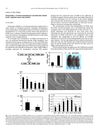
research Progranulin, a secreted tumorigenesis and dementia-related factor, regulates mouse hair growth
Progranulin overexpression leads to shorter, thinner hair and increased cell death in mouse hair follicles.
research Detection of Type IIHair Keratin Gene in a Family with Monilethrix
A unique gene mutation was found in a family with monilethrix.
research Expression of keratins K6 and K16 in regenerating mouse epidermis is less restricted by cell replication than the expression of K1 and K10.
Keratins K6 and K16 are expressed more freely in regenerating mouse skin than K1 and K10.