 2 citations
,
January 2015 in “Elsevier eBooks”
2 citations
,
January 2015 in “Elsevier eBooks” The document says biodegradable cosmetics and packaging are better for the environment and user experience.
 1 citations
,
March 2019 in “Lasers in Surgery and Medicine”
1 citations
,
March 2019 in “Lasers in Surgery and Medicine” The conference reported improvements in muscle volume, skin cancer diagnosis, facial and vaginal rejuvenation, and hair growth using various laser treatments.
 1 citations
,
January 2015 in “Journal of Society of Cosmetic Chemists of Japan”
1 citations
,
January 2015 in “Journal of Society of Cosmetic Chemists of Japan” Keratin film can effectively measure hair texture and adsorption properties.
 1 citations
,
January 2011 in “Journal of S C C J”
1 citations
,
January 2011 in “Journal of S C C J” Adenosine lotion improves hair thickness and density in women with thinning hair.
 April 2026 in “Dermatology and Therapy”
 Baricitinib 4 mg should be used for at least 1 year to see significant hair regrowth in severe alopecia areata.
 November 2025 in “SKIN The Journal of Cutaneous Medicine”
 Baricitinib significantly regrows hair in teens with severe alopecia areata.
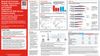 November 2025 in “SKIN The Journal of Cutaneous Medicine”
 Baricitinib helps regrow scalp, eyebrow, and eyelash hair in teens with severe alopecia areata.
 November 2024 in “International Journal of Research and Review”
 Nanotechnology improves cosmetics by enhancing ingredient delivery and effectiveness.
 September 2022 in “Institutional Repositories DataBase (IRDB)”
 Adipose-derived stem cells can be transformed into hair-forming cells using specific extracellular vesicles, offering potential for hair regeneration therapies.
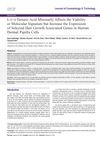 January 2021 in “Journal of cosmetology & trichology”
 L-(+)-Tartaric Acid may help increase certain hair growth genes without harming cells.
 September 2019 in “Journal of Investigative Dermatology”
 Sandalore, a synthetic scent, was found to reduce hair loss and improve hair growth in women with hair shedding issues.
 September 2019 in “Journal of Investigative Dermatology”
 Sandalore® reduces hair shedding and increases hair volume in women with telogen effluvium.
 September 2019 in “Journal of Investigative Dermatology”
 Sandalore®, a synthetic scent, reduced hair loss and improved hair growth in women with telogen effluvium.
 August 2019 in “Journal of Investigative Dermatology”
 Skin may help in getting rid of excess iron through the process of skin cell renewal.
 August 2019 in “Journal of Investigative Dermatology”
 The study found that tight junctions reach the top layer of the skin's stratum granulosum, not just the second top layer as previously thought.
 August 2019 in “Journal of Investigative Dermatology”
 Frog skin cells need the protein desmoplakin for proper development and cell layer formation.

New treatments for hair loss show promise, including plasma, stem cells, and hair-stimulating complexes, but more research is needed to fully understand them.
 April 2003 in “Experimental Dermatology”
 The workshop highlighted the genetic links and psychological impacts of hair loss and skin disorders.
January 2017 in “대한본초학회지(본초분과학회지)” Sinseon-yukza-hwan shows strong antioxidant potential for hair and scalp cosmetics.
October 2021 in “International Journal of Cosmetic Science” 25 citations
,
January 2019 in “Journal of Pharmacy And Bioallied Sciences” The herbal shampoo is a chemical-free, nourishing product with excellent conditioning, cleansing, and antimicrobial effects.
2 citations
,
June 2017 in “ScienceRise” A mask-cream with herbal extracts was successfully developed for treating hair loss.
Purwaceng extract in shampoo is stable, safe, and beneficial for hair health.
September 2020 in “International journal of current pharmaceutical research” Tea tree oil cream effectively reduces hair growth.
June 2024 in “Journal of Korea Society of Ingrielogy” Sea cucumber extract can improve scalp health and hair shine.
January 2024 in “World Congress on Medical Physics and Biomedical Engineering, September 7 - 12, 2009, Munich, Germany” Polisorbate 20 is not suitable for curl creams due to instability.
25 citations
,
May 2008 in “Journal of cosmetic dermatology” Conditioning agents, especially jojoba oil and lauryl PEG/PPG-18/18 methicone, protect and strengthen chemically straightened Afro-ethnic hair.
August 2026 in “Scientific Reports” Shiitake extract improves skin health by enhancing vitamin D receptor activity.
May 2018 in “Dermatologic Surgery”