Nanotechnology offers promising new treatments for PCOS by reducing inflammation and oxidative stress.
21 citations
,
March 2002 in “PubMed” High-dose steroid pulse therapy effectively regrows hair in severe multifocal alopecia areata.
 4 citations
,
May 2020 in “Annals of palliative medicine”
4 citations
,
May 2020 in “Annals of palliative medicine” Plum blossom needle acupuncture with qi-invigorating therapy is more effective for Seborrheic Alopecia than Western medicine.
2 citations
,
August 2023 in “Molecules” SH-340 may improve skin barrier and help treat atopic dermatitis.
 January 2026 in “Zenodo (CERN European Organization for Nuclear Research)”
 The polyherbal shampoo effectively treats dandruff and is a safe, natural option.
Hair regrowth improved, but quality of life did not.
The herbal shampoo with Harsinghar works better against dandruff than a commercial product.
 July 2022 in “medRxiv (Cold Spring Harbor Laboratory)”
 Satoyoshi syndrome is likely an autoimmune disease that mainly affects young women and improves with immune-related treatments.
 February 2023 in “Frontiers in Bioengineering and Biotechnology”
 Optical imaging and light therapy show promise for diagnosing and treating liver injury caused by surgery.
 July 2019 in “Acta horticulturae”
 Horticultural therapy helped cancer patients feel hopeful and positive about their disease experience.
 September 2024 in “Journal of the American Academy of Dermatology”
 The new hair treatment significantly reduces hair shedding safely.
May 2015 in “UC Merced Undergraduate Research Journal” Behavioral therapies are more effective than drugs for treating trichotillomania.
1 citations
,
December 2025 in “Photodermatology Photoimmunology & Photomedicine” Phototherapy effectively treats certain alopecia areata types, especially if started early.
1 citations
,
January 2006 in “Journal of Acupuncture Research” January 2026 in “Journal of Dermatology Research and Therapy” Combination therapy effectively regrows hair and reduces severity in Black children with stubborn Alopecia Areata.
Integrative hair therapy improved hair loss and regrowth.
 11 citations
,
October 2011 in “Allergologia et immunopathologia”
11 citations
,
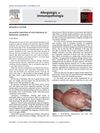
October 2011 in “Allergologia et immunopathologia” A girl with Netherton syndrome was able to eat wheat without allergies after a special treatment.
2 citations
,
August 2014 in “Journal of the American Academy of Dermatology” A rare case of scleredema in a diabetic woman showed loss of sweat glands, causing heat strokes, with treatment only slightly improving symptoms.
 March 2026 in “International Journal of Homoeopathic Sciences”
 An integrative homeopathic approach may help manage acne, but more research is needed.
10 citations
,
August 2024 in “Neuroscience & Biobehavioral Reviews” Neurosteroids may help treat disorders with too much dopamine activity.
29 citations
,
May 1975 in “Clinical Endocrinology” Combination therapy significantly reduces testosterone and moderately reduces hair growth in women with hirsutism.
2 citations
,
January 2024 in “JOURNAL OF CLINICAL AND DIAGNOSTIC RESEARCH” Ayurvedic treatments can effectively regrow hair in Alopecia Areata with few side effects.
Tofacitinib and low-dose IL-2 may help maintain hair regrowth in alopecia areata without ongoing treatment.
 7 citations
,
January 2022 in “Evidence-based complementary and alternative medicine”
7 citations
,
January 2022 in “Evidence-based complementary and alternative medicine” Ginger supplements helped reduce symptoms and improve metabolic health in hypothyroid patients.
2 citations
,
January 2002 in “Linchuang pifuke zazhi” Cyclosporine combination therapy can regrow hair in severe alopecia areata but needs careful monitoring for side effects.
1 citations
,
February 2025 in “Journal of Pharma Insights and Research.” Nutraceuticals like Ashwagandha and Cinnamon may help manage PCOD symptoms.
 15 citations
,
January 2019 in “Journal of the Formosan Medical Association”
15 citations
,
January 2019 in “Journal of the Formosan Medical Association” Adalimumab helped control a child's severe eye disease when other treatments failed.
March 2025 in “Journal of Clinical Medicine” Iron chelators can effectively reduce hair loss and improve hair growth in autoimmune alopecia.
4 citations
,
February 2023 in “Frontiers in Oncology” Nano-Pulse Stimulation™ Therapy is more effective and less damaging than cryoablation for treating melanoma tumors in mice.
1 citations
,
July 2021 in “Veterinary Medicine and Science” A cat's skin condition was fully cured with cyclosporine A after other treatments failed.