 May 2024 in “Plant and Soil”
 Root hairs in maize grow mainly in air-filled pores, limiting their role in nutrient uptake and plant anchorage.
 April 2024 in “Cell death and differentiation”
 Cell death shapes skin stem cell environments, affecting inflammation, repair, and cancer.
 April 2024 in “bioRxiv (Cold Spring Harbor Laboratory)”
 GRK2 is essential for healthy hair follicle function, and its absence can lead to hair loss and cysts.

Elastin-like recombinamers show promise for better wound healing and skin regeneration.
 December 2023 in “International Journal of Medical Arts”
 Transplanted hair follicles show significant changes after FUE, needing more research.
 November 2023 in “International journal of biology, pharmacy and allied sciences”
 Herbal treatments can help with hair problems, but more research is needed.
 November 2023 in “Frontiers in veterinary science”
 The study provides insights into hair growth mechanisms in yaks.
 November 2023 in “Frontiers in cell and developmental biology”
 Hair aging is caused by stress, hormones, inflammation, and DNA damage affecting hair growth and color.
 October 2023 in “Benha Journal of Applied Sciences”
 Methotrexate and vitamin D3 are potentially more effective and safer than triamcinolone for treating localized alopecia areata.
 September 2023 in “Bangladesh Journal of Neurosurgery”
 Stereotactic Radiosurgery is an effective non-invasive treatment for cerebral AVM, with successful outcomes and minimal side effects.
Various treatments exist for hair loss, but no definitive solution.
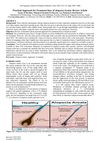 July 2023 in “The Egyptian Journal of Hospital Medicine ”
 The conclusion is that emotional support and a variety of treatments are important for alopecia areata, but more research is needed.
 June 2023 in “Benha Journal of Applied Sciences”
 Targeting IL-17 could help treat pattern hair loss.
A new system for classifying curly hair types using precise measurements can improve hair care products and cultural inclusion.
 March 2023 in “Scientific reports”
 Hair growth-related cells need the enzyme SCD1 to help maintain the area that supports hair growth.
 February 2023 in “Global Journal of Reproductive Medicine”
 Medical treatments for benign prostatic hyperplasia mainly relieve symptoms, while surgery is more effective but not always suitable for elderly patients.
 January 2023 in “Research Square (Research Square)”
 Hair cortisol may be a good indicator of recent mood in people with bipolar disorder.
 January 2023 in “International journal of advances in scientific research and engineering”
 Anthocyanins from fruits and vegetables may help prevent and treat colorectal cancer safely.
 January 2023 in “Book of Abstracts”
 COVID-19 can cause different types of hair loss, with telogen effluvium being the most common.

New methods to classify curly hair types were developed based on shape and strength.
 October 2022 in “Medical Clinical Update Journal”
 Early diagnosis and treatment with Leuprolide are key for children with precocious puberty.
 October 2022 in “Indian journal of anatomy and surgery of head, neck and brain”
 The nasolabial flap is effective for repairing the mouth in patients with oral submucous fibrosis.
 September 2022 in “Institutional Repositories DataBase (IRDB)”
 Adipose-derived stem cells can be transformed into hair-forming cells using specific extracellular vesicles, offering potential for hair regeneration therapies.
 June 2022 in “Research Square (Research Square)”
 Lipid peroxidation may worsen social behavior issues in autism.
 March 2022 in “Marmara University Open Access System”
 Digital games are part of new media but need a deeper look at their complex nature and cultural roots.

Human hair keratins can be turned into useful 3D biomedical scaffolds through a freeze-thaw process.
 September 2020 in “Journal of the turkish academy of dermatology”
 Some dermatology patients in Turkey use traditional medicine, with herbal remedies being most common, but these treatments can have mixed results and risks.
 December 2018 in “Actas urológicas españolas”
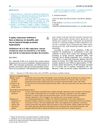
 5-alpha reductase inhibitors may have additional effects on cancer, mental health, heart health, and hormone levels beyond treating prostate enlargement.

Cornification is the process where living skin cells die to create a protective barrier, and problems with it can cause skin diseases.
 May 2018 in “White Rose eTheses Online (University of Leeds, The University of Sheffield, University of York)”
 Alopecia areata may be treated by using EGCG to balance immune cells and reduce inflammation.