 1 citations
,
March 2023 in “Clinical, Cosmetic and Investigational Dermatology”
1 citations
,
March 2023 in “Clinical, Cosmetic and Investigational Dermatology” Current treatments for Alopecia Areata have mixed success, and there's a need for better, more accessible options and support for affected individuals.
July 2026 in “Skin Appendage Disorders” People prefer over-the-counter hair loss treatments despite better evidence for prescriptions, leading to delayed care.
July 2026 in “Journal of Dermatological Treatment” Excimer laser therapy may help improve scarring alopecia symptoms and hair appearance.
July 2026 in “JAAD reviews.” GLP-1 receptor agonists may cause hair loss, but more research is needed.
July 2026 in “Journal of the American Academy of Dermatology” The occipital scalp is affected in advanced hair loss, so it shouldn't be used as a control.
June 2026 in “Skin Appendage Disorders” Diffuse unpatterned alopecia causes widespread hair thinning and is hard to diagnose and treat.
June 2026 in “Skin Appendage Disorders” Tretinoin may help some who don't respond to minoxidil alone, but it's not a first choice due to possible irritation.
June 2026 in “International Journal of Women’s Dermatology” Alopecia treatments during pregnancy, IVF, and PCOS have limited safety data and may require caution.

Hair styling products can cause skin irritation.

Perms can damage hair and scalp, so proper assessment and care are essential.
May 2026 in “Skin Appendage Disorders” Combining PRP with other treatments may improve hair growth more than PRP alone.
April 2026 in “Journal of the American Academy of Dermatology” Oral 5-alpha-reductase inhibitors for hair loss don't increase heart risk.
April 2026 in “International Journal of Dermatology” PRP injections are safe for hair loss treatment, but monitoring and sun protection are advised.
April 2026 in “Journal of the American Academy of Dermatology” March 2026 in “Journal of the American Academy of Dermatology” A holistic approach, including diet and stress management, may improve androgenetic alopecia treatment outcomes.
March 2026 in “Journal of the American Academy of Dermatology” Lower doses of oral minoxidil can promote hair growth without major heart risks.
 February 2026 in “American Journal of Clinical Dermatology”
 Spironolactone is effective for treating female hair loss, with new treatments like clascoterone showing promise.
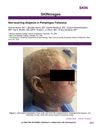 January 2026 in “SKIN The Journal of Cutaneous Medicine”
 Rituximab treatment led to complete hair regrowth and improved skin in a woman with pemphigus foliaceus.
December 2025 in “Skin Appendage Disorders” Patients found AI helpful for alopecia diagnosis but want it to support, not replace, doctors.
August 2025 in “Skin Appendage Disorders” TCM is an effective and safe treatment for primary cicatricial alopecias.
August 2025 in “Skin Appendage Disorders” Low-dose oral minoxidil might help with hair loss during chemotherapy, but more research is needed.
August 2025 in “Pediatric Dermatology” The program improved students' understanding and acceptance of alopecia areata.
July 2025 in “Skin Appendage Disorders” Improving education, insurance, and support can help scarring alopecia patients access better care.
 July 2025 in “International Journal of Dermatology”
 Hair transplantation can significantly improve life quality for those with chronic hair loss.
 July 2025 in “American Journal of Clinical Dermatology”
 Alopecia treatments like 5α-reductase inhibitors and spironolactone are safe for breast cancer patients and high-risk women.
 July 2025 in “International Journal of Dermatology”
 Safe alopecia treatments for breastfeeding women are limited due to potential risks to infants.
July 2025 in “JAAD Case Reports”  June 2025 in “International Journal of Dermatology”
 Female athletes using steroids risk hair loss and need better education and treatment.
June 2025 in “Journal of the American Academy of Dermatology” June 2025 in “Skin Appendage Disorders” Younger patients may see better results from PRP therapy for hair growth, but age doesn't significantly affect overall outcomes.