January 2025 in “Lusophone University Repository” Nanotechnology can help fight skin aging, but safety concerns limit its use.
October 2024 in “Biomedical Reports” Superoxidized electrolyzed solution (SES) is more effective for burn healing than common antiseptics.
February 2024 in “Asian Journal of Pharmaceutical and Clinical Research” Expired platelet concentrates can be used effectively for wound healing, reducing waste.
 May 2023 in “Frontiers in veterinary science”
 A young tapir with a rare skin condition improved after treatment with wound cleaning, cream, and oral medication.
January 2013 in “Zhongguo bingli shengli zazhi” Coriaria sinica Maxim extract speeds up burn healing and hair growth in rats.
 June 2011 in “Oncology times”
 Dr. Mario Lacouture recommends preventive and specific treatments for skin side effects caused by EGFR inhibitors to improve patients' quality of life.
 57 citations
,
March 2011 in “Pediatric Dermatology”
57 citations
,
March 2011 in “Pediatric Dermatology” Nearly half of children with primary immunodeficiency disorders showed skin problems, often as the first sign of their condition.
December 2022 in “The Turkish Journal of Pediatrics” Hair examination helps diagnose rare neurological diseases in children.
January 2022 in “Clinical Cases in Dermatology” Scalp psoriasis is hard to treat and may need various medications.

The new skin cream with zinc oxide nanoparticles is stable, spreads well, and doesn't deeply penetrate the skin.
January 2016 in “Memorial University Research Repository (Memorial University)” Hereditary hyperplastic gingivitis in silver foxes may be linked to errors in the MAPK signaling pathway, influenced by androgens.
 1 citations
,
May 2022 in “Голова и шея.”
1 citations
,
May 2022 in “Голова и шея.” Malignant eye tumors produce more silver nanoparticles than benign ones.
July 2025 in “Journal of Investigative Dermatology” DACC-based dressings are more effective than silver-based ones for treating chronic wounds with antimicrobial resistance.
 14 citations
,
August 2016 in “Journal of nanomedicine research”
14 citations
,
August 2016 in “Journal of nanomedicine research” Zinc oxide nanoparticle biscuits improved growth and health in zinc-deficient rats without toxicity.
 1 citations
,
February 2023 in “Digestive diseases and sciences”
1 citations
,
February 2023 in “Digestive diseases and sciences” Gastroparesis may cause hair loss due to micronutrient deficiencies, and multivitamins might help.
 264 citations
,
January 2008 in “Journal of biomedical optics”
264 citations
,
January 2008 in “Journal of biomedical optics” Zinc oxide nanoparticles in sunscreen do not penetrate deep into the skin.
 August 2024 in “Polo del Conocimiento”
 Scalp psoriasis is treated with topical therapies, phototherapy, and systemic medications.
February 2013 in “Journal of the American Academy of Dermatology” Uncombable hair syndrome causes dry, frizzy hair that can't be combed flat, seen in a young child.
June 2025 in “Journal of Pharmacy and Pharmacology” Gold nanoparticles with silk fibroin improve wound healing better than silk fibroin alone.
 November 2024 in “Medicina”
 Recognizing scalp symptoms in PRP is crucial for proper diagnosis and treatment.
January 2012 in “Human health handbooks” Shampoos with specific ingredients are effective and safe for treating scalp psoriasis.
 August 2016 in “Journal of Investigative Dermatology”
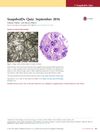
 Scalp psoriasis features reversible hair loss and specific immune activation, with no significant hair follicle damage.
December 2004 in “Microbial Ecology in Health and Disease” Pityriasis amiantacea is linked to Staphylococcus aureus infection and can be effectively treated with antibiotics, corticosteroids, and coal tar.
7 citations
,
January 1997 in “International Biodeterioration & Biodegradation” Microsporum canis breaks down animal hair fastest in sheep and foxes, slowest in humans.
1 citations
,
January 2021 in “Springer Proceedings in Materials” Researchers developed a new method to clearly see and label hair proteins with minimal errors using advanced freezing and microscopy techniques.
 1 citations
,
December 2006 in “Burns”
1 citations
,
December 2006 in “Burns” New therapies for burn wounds show promise in reducing pain, infection risk, and improving healing and physical outcomes.
 April 2026 in “Frontiers in Bioengineering and Biotechnology”
 Cellulose membranes heal venous leg ulcers faster than standard dressings.
January 2026 in “International Journal of Biomedical Investigation” Biogenic metallic nanoparticles from waste can help heal wounds but face challenges in clinical use.
Keratin peptide signatures in hair may help identify gender and ethnicity.
Keratin peptide signatures in hair may help identify gender and ethnicity.