 1 citations
,
September 2018 in “Australasian Journal of Dermatology”
1 citations
,
September 2018 in “Australasian Journal of Dermatology” A boy with GAPO syndrome had hair loss similar to male pattern baldness without hormone issues, possibly due to skin or blood vessel problems.
 October 2007 in “Postgraduate obstetrics & gynecology”
 Testosterone therapy can help postmenopausal women with low sexual desire but needs more safety research and should be used with estrogen therapy.
 13 citations
,
September 2011 in “American Journal of Clinical Dermatology”
13 citations
,
September 2011 in “American Journal of Clinical Dermatology” The oral contraceptive ethinylestradiol/chlormadinone acetate is effective in reducing acne and improving other skin conditions related to high androgen levels.
 6 citations
,
October 2014 in “Experimental Dermatology”
6 citations
,
October 2014 in “Experimental Dermatology” Prostaglandins and the enzyme AKR1C3 could play a role in skin cancer and hair loss, and further research is needed to understand these mechanisms.
2 citations
,
November 2019 in “PubMed” Henna significantly promotes hair growth and reduces androgen levels in mice with alopecia.
March 2010 in “Gynecologic and Obstetric Investigation” Hirsutism in women can be a cosmetic issue or a sign of hormonal imbalance, treatable with hormonal and cosmetic methods.
Androgen receptors significantly affect hair loss in women with androgenetic alopecia.
96 citations
,
October 1987 in “The Journal of Clinical Endocrinology & Metabolism” Chronic GnRHa treatment can help manage endometrial hyperplasia and reduce ovarian androgen excess in PCO patients.
 22 citations
,
January 2002 in “Treatments in endocrinology”
22 citations
,
January 2002 in “Treatments in endocrinology” Birth control pills help treat skin and hair growth problems linked to high male hormone levels.
 67 citations
,
September 2008 in “Dermatologic therapy”
67 citations
,
September 2008 in “Dermatologic therapy” Hirsutism is excessive hair growth in women often caused by polycystic ovarian syndrome, and identifying the cause is important for managing associated health risks.
 4 citations
,
November 2016 in “Dermatologic Therapy”
4 citations
,
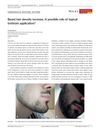
November 2016 in “Dermatologic Therapy” Topical tretinoin may increase beard hair density.
research ACNE
58 citations
,
January 1997 in “Dermatologic Clinics” Acne significantly affects mental health and quality of life, with research suggesting hormonal and genetic factors in its development and emphasizing early treatment to prevent scarring.
 43 citations
,
May 1986 in “Clinics in Endocrinology and Metabolism”
43 citations
,
May 1986 in “Clinics in Endocrinology and Metabolism” Cyproterone acetate is effective for treating hirsutism and acne but less so for hair loss, with side effects similar to birth control pills.
 October 2025 in “Zenodo (CERN European Organization for Nuclear Research)”
 Hormonal imbalances in women can cause acne, excess hair growth, and hair loss, needing combined medical and mental health care.
 49 citations
,
January 1994 in “The Journal of Steroid Biochemistry and Molecular Biology”
49 citations
,
January 1994 in “The Journal of Steroid Biochemistry and Molecular Biology” RU 58841 may treat acne, hair loss, and excessive hair growth.
 4 citations
,
November 2015 in “Journal of Investigative Dermatology”
4 citations
,
November 2015 in “Journal of Investigative Dermatology” Testosterone may worsen hair loss by affecting hair growth signals, while different prostaglandins can either hinder or promote hair growth.
 October 2023 in “Journal of the Endocrine Society”
 Losing weight and taking birth control pills can greatly improve severe male hormone excess in women with PCOS.
 January 2016 in “Human & Experimental Toxicology”
 A specific DNA sequence caused hair loss in male mice by activating immune cells and increasing a certain immune signal.
 1 citations
,
July 2015 in “Cambridge University Press eBooks”
1 citations
,
July 2015 in “Cambridge University Press eBooks” Testosterone therapy can improve sexual function in women but long-term safety is unclear.
October 2025 in “Zagazig University Medical Journal” Skin issues like hirsutism, acne, and acanthosis nigricans are common in PCOS and linked to hormone and metabolic changes.
 November 2013 in “John Wiley & Sons, Ltd eBooks”
 Skin symptoms can indicate endocrine disorders and have various treatments.
 January 2023 in “Advances in reproductive sciences”
 Higher levels of the protein Pannexin-1 may play a role in hair loss in women with PCOS.
 June 2018 in “Global Journal of Reproductive Medicine”
 Idiopathic hirsutism may be linked to increased skin enzyme activity, and new treatments like laser and eflornithine cream show promise.
 November 2020 in “ALEXMED ePosters (Online)”
 People with PCOS often have skin problems like excessive hair growth, hair loss, acne, and dark patches, which are linked to hormonal and metabolic imbalances.
332 citations
,
June 1994 in “Archives of Dermatology” Postmenopausal frontal fibrosing alopecia may be a unique condition linked to postmenopausal changes.
325 citations
,
June 1994 in “Archives of Dermatology” Postmenopausal frontal fibrosing alopecia may be a unique condition linked to postmenopausal changes.
 3 citations
,
October 2019 in “Dermatologic Therapy”
3 citations
,
October 2019 in “Dermatologic Therapy” Hair loss in men is mainly caused by hormones and genes, and while current treatments can slow it down, they can't fully stop it.
 September 2017 in “Pediatric Dermatology”
 A 14-year-old boy was diagnosed with a rare hair condition that may lead to hair thinning and has no known effective treatments.
 January 2019 in “Skin appendage disorders”
 A woman's hair loss was linked to a rare hormone-secreting ovarian tumor, treated with surgery and hair loss medication.
 2 citations
,
September 2016 in “Journal of skin and stem cell”
2 citations
,
September 2016 in “Journal of skin and stem cell” Acne is strongly linked to high BMI, hair loss, menstrual issues, family history, and eating too many sweets and fatty foods, but not to excessive hair growth.