 39 citations
,
April 2011 in “Recent Patents on Drug Delivery & Formulation”
39 citations
,
April 2011 in “Recent Patents on Drug Delivery & Formulation” Nanoemulsion-based drug delivery systems are versatile and have potential for treating various medical conditions and improving vaccines.
 13 citations
,
August 2019 in “Journal of Ethnopharmacology”
13 citations
,
August 2019 in “Journal of Ethnopharmacology” Eleven traditional Polynesian plants show potential for natural anti-aging, hair growth, and skin brightening products.
March 2023 in “International Journal of Trichology” A man developed temporary hair loss after taking a cancer drug, which might indicate a better treatment response.
 35 citations
,
May 2008 in “Journal of Clinical Oncology”
35 citations
,
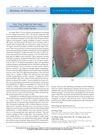
May 2008 in “Journal of Clinical Oncology” A cancer patient died from a severe skin reaction after taking the drug cetuximab.
September 2024 in “Preprints.org” Hair protects the scalp from skin cancer by aiding immune defense.
 September 2016 in “British Journal of Dermatology”
 Doctors need more training in skin cancer screening, a new treatment is effective for a skin condition, better diagnosis methods for skin cancer are available, hair loss in women may be linked to hormones and cholesterol, certain skin care products might cause hair loss, babies' skin gets weaker after birth, and a gene mutation might be linked to eczema.
 5 citations
,
January 2021 in “Dermatology Online Journal”
5 citations
,
January 2021 in “Dermatology Online Journal” An 84-year-old man developed a rare scalp condition from a cancer drug but continued treatment as it was otherwise well tolerated.
 90 citations
,
December 2007 in “Current Oncology”
90 citations
,
December 2007 in “Current Oncology” Non-hormonal treatments should be used first for sexual dysfunction in postmenopausal breast cancer patients on aromatase inhibitors, with hormones as a second option.
 88 citations
,
July 2014 in “Journal of the American Academy of Dermatology”
88 citations
,
July 2014 in “Journal of the American Academy of Dermatology” Targeted cancer therapies often cause skin reactions, so dermatologists must manage these effects.
46 citations
,
July 2022 in “Frontiers in Oncology” Cold atmospheric plasma is a promising and safe treatment for various skin conditions.
 9 citations
,
March 2011 in “Oxidative stress and disease”
9 citations
,
March 2011 in “Oxidative stress and disease” Some herbal treatments are effective for skin disorders, but more research and regulation are needed.
 1 citations
,
March 2019 in “Lasers in Surgery and Medicine”
1 citations
,
March 2019 in “Lasers in Surgery and Medicine” The conference reported improvements in muscle volume, skin cancer diagnosis, facial and vaginal rejuvenation, and hair growth using various laser treatments.
26 citations
,
September 2001 in “Journal of Investigative Dermatology” BSSP may help skin tumors grow and could be a marker or target for skin cancer treatment.
 23 citations
,
February 2004 in “Clinical and Experimental Ophthalmology”
23 citations
,
February 2004 in “Clinical and Experimental Ophthalmology” A boy with chromosome 13q deletion syndrome developed eye cancer, a woman with breast cancer lost vision due to a rare side-effect of her treatment, a man's vision worsened after using a hair loss drug, and two rare disorders were discussed. Optical Coherence Tomography is useful for diagnosing and monitoring these conditions.
June 2026 in “British Journal of Dermatology” Amivantamab treatment often causes skin issues that can affect quality of life and treatment continuation.
 April 2026 in “International Journal of Clinical Oncology”
 Combining immune checkpoint inhibitors with other cancer therapies increases skin side effects in Asian patients.
 August 2013 in “Gastroenterology”
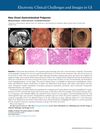
 A 60-year-old man with Cronkhite-Canada syndrome improved with treatment, but the condition has a high mortality rate and a risk of colorectal cancer.
 65 citations
,
January 2017 in “Postępy Dermatologii i Alergologii”
65 citations
,
January 2017 in “Postępy Dermatologii i Alergologii” High-frequency ultrasonography is a useful but underused tool in dermatology for assessing skin cancers, monitoring diseases, and evaluating treatments.
30 citations
,
March 2007 in “Expert opinion on drug safety” Cetuximab often causes skin rashes, and managing these is important for cancer treatment.
12 citations
,
December 2010 in “Journal of thoracic oncology” New treatments for non-small cell lung cancer are being tested, with some already in use, focusing on immune response and targeting cancer cells, but side effects vary.
July 2024 in “Journal of Investigative Dermatology” Scalp cooling may be less effective for women of color on certain chemotherapy treatments.
 January 2021 in “Journal of Cancer Therapy”
 Tyrosine Kinase Inhibitors are effective against cancer but can cause skin, digestive, and blood side effects, including hair loss.
September 2024 in “Journal of the American Academy of Dermatology” Most U.S. keratinocyte carcinoma patients are older white males living in urban areas.
35 citations
,
February 2002 in “Journal of Radiological Protection” Caffeine reduces radiation skin damage but doesn't affect tumor treatment.
3 citations
,
May 2008 in “Journal of Clinical Oncology” Panitumumab treatment can cause unusual hair growth in some colorectal cancer patients.
 February 2026 in “Cureus”
 Recognizing and managing skin side effects from chemotherapy improves patient quality of life and treatment success.
 January 2025 in “BioMed Research International”
 Targeting DNA methylation can help treat skin disorders and cancers.
1 citations
,
December 2023 in “Molecules/Molecules online/Molecules annual” JAK inhibitors show promise for treating various skin diseases.
 August 2023 in “bioRxiv (Cold Spring Harbor Laboratory)”
 The research found that specific stem cells maintain skin gland openings and that disrupting their activity can cause blockages or early cancer signs, indicating a need for targeted treatments.
 232 citations
,
January 2013 in “Nature Cell Biology”
232 citations
,
January 2013 in “Nature Cell Biology” Understanding where cancer cells come from helps create better prevention and treatment methods.