June 2026 in “Journal of Investigative Dermatology” Retinoic acids temporarily change skin stem cells to a slower cycle and more differentiated state.
 February 2025 in “bioRxiv (Cold Spring Harbor Laboratory)”
 Keratin 15 helps keep skin cells in a young, undifferentiated state.
 363 citations
,
March 2017 in “Nature Communications”
363 citations
,
March 2017 in “Nature Communications” Stem cells help heal wounds by rapidly dividing and migrating to the wound edge.
 January 2012 in “Durham e-Theses (Durham University)”
 Keratin 15 affects cell behavior and characteristics in skin cells.
21 citations
,
December 2017 in “bioRxiv (Cold Spring Harbor Laboratory)” Fibroblast behavior is key for skin structure and healing.
12 citations
,
May 2021 in “The journal of investigative dermatology/Journal of investigative dermatology” Laminin 332 is essential for normal skin cell behavior and structure.
September 2025 in “Journal of Zhejiang University (Medical Sciences)” Peripheral nerves are essential for skin wound healing and future treatments could improve by focusing on nerve and blood vessel regeneration.
 September 2025 in “Cosmoderma”
 Pandemic stress worsens hair loss and skin issues, suggesting combined mental and skin care treatments.
 31 citations
,
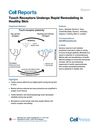
November 2016 in “Cell Reports”
31 citations
,
November 2016 in “Cell Reports” Touch sensitivity in mouse skin decreases during hair growth due to changes in touch receptors.
 2 citations
,
April 2021 in “International Journal of Molecular Sciences”
2 citations
,
April 2021 in “International Journal of Molecular Sciences” The study concluded that changing the culture conditions can cause sika deer skin cells to switch from a flat to a 3D pattern, which is important for creating hair follicles.
 16 citations
,
September 2018 in “Scientific reports”
16 citations
,
September 2018 in “Scientific reports” Scientists created keratinocyte cell lines from human hair that can differentiate similarly to normal skin cells, offering a new way to study skin biology and diseases.
 10 citations
,
June 2016 in “Wound Repair and Regeneration”
10 citations
,
June 2016 in “Wound Repair and Regeneration” The microenvironment, especially mechanical forces, plays a crucial role in hair growth and could lead to new treatments for hair loss.
 7 citations
,
April 2012 in “Biomolecular concepts”
7 citations
,
April 2012 in “Biomolecular concepts” Keratin is crucial for keeping skin cells healthy and its changes can lead to diseases and affect cell behavior.
 16 citations
,
March 2019 in “Experimental dermatology”
16 citations
,
March 2019 in “Experimental dermatology” Injury changes how hair follicle stem cells behave, depending on the hair growth stage.
 129 citations
,
May 2015 in “Cell Stem Cell”
129 citations
,
May 2015 in “Cell Stem Cell” Different types of stem cells exist within individual skin layers, and they can adapt to damage, transplantation, or tumor growth. These cells are regulated by their environment and genetic factors. Tumor growth is driven by expanding, genetically altered cells, not long-lived mutant stem cells. There's evidence of cancer stem cells in skin tumors. Other cells, bacteria, and genetic factors help maintain balance and contribute to disease progression. A method for growing mini organs from single cells has been developed.
2 citations
,
September 2023 in “International journal of molecular sciences” Special proteins are important for skin balance, healing, and aging, and affect skin stem cells.
 January 2025 in “PLoS ONE”
 Elf5 controls skin cell growth and development, making it a potential target for skin treatments.
14 citations
,
January 2019 in “Advances in experimental medicine and biology” Skin stem cells are promising for healing wounds and skin regeneration due to their accessibility and regenerative abilities.
30 citations
,
January 2005 in “Elsevier eBooks” Vitamin D affects skin and hair by influencing cell behavior and melanin production.
15 citations
,
December 2020 in “International journal of molecular sciences” Epidermal stem cells create and maintain skin structures like hair and nails through specific signaling pathways and vary by location and function.
1 citations
,
May 2023 in “bioRxiv (Cold Spring Harbor Laboratory)” A new tool allows easier long-term imaging of live skin cells, helping study diseases like skin cancer.
January 2012 in “DigtalCommons @ Texas Medical Center Library (Texas Medical Center)” Stat3 affects skin cancer development by altering keratinocyte stem cell behavior.
4 citations
,
March 2024 in “Journal of Investigative Dermatology” SPRY1 deficiency in skin cells causes stem cells to move to the skin surface, leading to increased pigmentation.
 211 citations
,
November 2018 in “Nature Cell Biology”
211 citations
,
November 2018 in “Nature Cell Biology” Stem cells help heal skin wounds by moving and changing roles, working with other cells, and needing more research on their activation and behavior.
 3 citations
,
January 1988 in “PubMed”
3 citations
,
January 1988 in “PubMed” The review found that basal cell carcinomas on the scalp are not more aggressive than those in other locations.

The CD4 protein may play a role in the behavior of certain skin cells, affecting their growth, movement, and differentiation.
 19 citations
,
July 1993 in “The journal of investigative dermatology/Journal of investigative dermatology”
19 citations
,
July 1993 in “The journal of investigative dermatology/Journal of investigative dermatology” Dermal-epidermal interactions are crucial for hair growth and maintenance.
 July 2019 in “Acta Scientiae Veterinariae”
 Removing a testicular tumor in a dog reduced its aggressive behavior and skin problems.
 September 2022 in “bioRxiv (Cold Spring Harbor Laboratory)”
 A parasite-derived molecule speeds up skin healing and affects immune cell behavior without increasing scarring.

Ovol2 is crucial for hair growth and skin healing by controlling cell movement and growth.