Azelaic acid helps with skin pigmentation issues, but its full effects are not completely understood.
September 2025 in “Biomolecules” The skin microenvironment significantly affects hair growth and loss, offering potential treatment avenues.
 September 2025 in “Dicle Medical Journal / Dicle Tip Dergisi”
 Skin issues are common in people with neurodegenerative diseases.
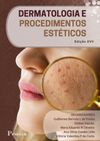 September 2025 in “Editora Pasteur eBooks”
 Continuous learning and personalized treatments are crucial in dermatology due to rapid technological advancements.
 August 2025 in “Frontiers in Pharmacology”
 Periplaneta americana extract helps hair regrowth by reducing inflammation and improving skin bacteria balance.
 August 2025 in “Current Issues in Molecular Biology”
 Periplaneta americana extract helps hair regrowth in mice with alopecia.
 June 2025 in “Academic Medical Journal”
 High homocysteine levels in lupus may increase inflammation and cardiovascular risk.
 March 2025 in “Nature Communications”
 NSC167409 can effectively inhibit the virus causing hand, foot, and mouth disease.
 October 2024 in “Our Dermatology Online”
 Mitochondrial dysfunction links metabolic syndrome and inflammatory skin diseases, suggesting targeted therapies and lifestyle changes.
 September 2024 in “Journal of Cosmetic Dermatology”
 Ectoin helps prevent cortisone-induced skin problems and supports skin health.
August 2024 in “International Journal of Pharmaceutics” The treatment promotes hair growth, improves hair density, and reduces skin irritation.
February 2024 in “International journal of molecular sciences” Type 3 Innate Lymphoid Cells help maintain skin health and balance, and are involved in skin diseases and healing.

New insights into cell communication in psoriasis suggest innovative drug treatments.
 November 2023 in “Frontiers in pharmacology”
 Drug repositioning offers hope for new, affordable treatments for a genetic skin disorder called ARCI.
 September 2023 in “Clinical, cosmetic and investigational dermatology”
 A new surgical method using special sutures significantly reduced wound size and prevented disease return in patients with a scarring scalp condition.
 August 2023 in “bioRxiv (Cold Spring Harbor Laboratory)”
 Too much β-catenin activity can mess up the development of mammary glands and make them more like hair follicles.
 August 2023 in “Military Medical Research”
 Scientists have improved 3D models of human skin for research and medical uses, but still face challenges in perfectly replicating real skin.
 May 2023 in “Current Medicinal Chemistry”
 Microneedle patches improve drug delivery for skin treatments and cosmetic enhancements.
 April 2023 in “bioRxiv (Cold Spring Harbor Laboratory)”
 Sweat gland development involves two unique skin cell programs and a temporary skin environment.
 December 2022 in “KSBB Journal”
 Activating TLR3 boosts autophagy gene expression in skin cells.
 September 2021 in “Research Square (Research Square)”
 Not having enough or having too much of the protein Grainyhead-like 3 leads to various developmental problems.
 August 2019 in “Stem cells”
 New treatments for hair loss, fertility, and wound healing are being explored.
 April 2019 in “Journal of Investigative Dermatology”
 Fractional photothermolysis helps wounds heal with minimal scarring.
 April 2019 in “Journal of Investigative Dermatology”
 BRG1 is essential for skin cells to move and heal wounds properly.
 January 2018 in “Springer eBooks”
 Hidradenitis Suppurativa is likely an autoinflammatory disease, and better understanding its causes could improve treatments.
 April 2017 in “Journal of Investigative Dermatology”
 Eating a lot of fat increases PKCβ and inflammation in skin fat cells, which affects skin and hair health.
 April 2017 in “Journal of Investigative Dermatology”
 Targeted siRNA therapy may be a promising treatment for KID syndrome by reducing mutant gene expression and improving cell communication.
 April 2017 in “Journal of Investigative Dermatology”
 Blood cells turned into stem cells can become skin cells similar to normal ones, potentially helping in skin therapies.
 January 2017 in “Clinical approaches and procedures in cosmetic dermatology”
 Anti-glycation treatments might slow skin aging, but more research is needed.
 January 2017 in “Acta dermato-venereologica”
 The congress showed that psychological therapy can help skin condition patients, social media affects acne stigma, education improves atopic dermatitis, and patient satisfaction in dermatology is high, especially with good doctor engagement.