 3 citations
,
September 2017 in “Pediatric Dermatology”
3 citations
,
September 2017 in “Pediatric Dermatology” Avoiding allergens can improve skin and hair conditions in adults with allergic reactions.
 3 citations
,
July 2015 in “Australasian Journal of Dermatology”
3 citations
,
July 2015 in “Australasian Journal of Dermatology” A man developed an allergic skin reaction to a rosacea treatment and improved after stopping the medication and receiving allergy-specific care.
 2 citations
,
November 2015 in “Endocrinology, Diabetes & Metabolism Case Reports”
2 citations
,
November 2015 in “Endocrinology, Diabetes & Metabolism Case Reports” A man with X-ALD improved after treatment, highlighting the need to consider X-ALD in similar patients and test their relatives.
1 citations
,
February 2022 in “Journal of the American Academy of Dermatology” Taking biotin supplements can be risky and often lacks evidence of effectiveness for skin, hair, and nail issues.
1 citations
,
January 2016 in “Companion animal” Cats lose hair due to itching or health issues, needing various tests for diagnosis.
1 citations
,
January 2015 in “The Journal of Dermatology” Genetic testing is crucial for diagnosing and managing non-Herlitz junctional epidermolysis bullosa.
May 2026 in “Skin Appendage Disorders” 3D bioprinting could help treat hair loss, but it needs more work and cost reduction for real-world use.
 May 2026 in “Organoid Research”
 Hydrogel-based hair follicle organoids could help treat hair loss and improve drug testing.
March 2022 in “Veterinary dermatology” A one-year-old cat had multiple benign skin tumors similar to those known in humans.
 May 2014 in “Journal of The American Academy of Dermatology”
 The project aimed to understand how genetic test results affect patients' actions and feelings in dermatology.
 October 2020 in “Veterinary Dermatology”
 New treatments and diagnostic methods for various animal skin conditions showed promising results.
 September 1995 in “American Journal of Contact Dermatitis”
 Antiyeast treatments work better for seborrheic dermatitis than steroids, and other findings include increased skin bacteria under plastic wrap, a nasal cell defect in Staphylococcus aureus carriers, quick resolution of certain skin reactions, high rubber latex allergy in spina bifida patients, and glyceryl monopentadecanoate's effectiveness for male hair loss.
7 citations
,
February 2019 in “Veterinary medicine and science” An American Bully with a genetic skin condition improved significantly with specific topical treatments.
 6 citations
,
September 1990 in “International Journal of Gynecology & Obstetrics”
6 citations
,
September 1990 in “International Journal of Gynecology & Obstetrics” The skin condition PUPP usually gets better on its own after giving birth and is unlikely to happen again in future pregnancies.
 3 citations
,
November 2016 in “The journal of investigative dermatology/Journal of investigative dermatology”
3 citations
,
November 2016 in “The journal of investigative dermatology/Journal of investigative dermatology” Entrepreneurial companies are key to advancing dermatology treatments and patient care.
November 2024 in “NeoReviews” An extremely low-birthweight infant had a rare genetic skin disease and died despite treatment.
 September 2009 in “Journal of the Dermatology Nurses’ Association”
 Hair loss significantly affects quality of life, wet combing is better than visual inspection for finding head lice, many with oral lichen planus have allergies, and wet wraps with steroids quickly improve itchy skin conditions.
54 citations
,
March 1991 in “Proceedings of the National Academy of Sciences” This model can replace animal testing for quick, cost-effective skin toxicity tests.
 3 citations
,
October 1979 in “Laboratory animals”
3 citations
,
October 1979 in “Laboratory animals” Hairless rats are good for testing anti-inflammatory drugs, similar to haired rats, without needing to remove fur.
 March 2023 in “International journal of trichology”
 Six genetic conditions are often linked to complete scalp hair loss in children.
June 2014 in “Biotechnology and Bioprocess Engineering” Injecting lab-grown hair cells into the scalp can regrow hair.
26 citations
,
October 2020 in “Biomedicines” Bioengineered skin models help reduce animal testing and advance research in cosmetics and skin disease.
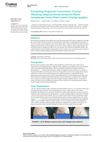
Genetic testing can help diagnose skin conditions but needs more research for full effectiveness.
January 2022 in “Pastic and aesthetic research” PRP helps skin regeneration but needs standardized testing for consistent results.
November 2023 in “Frontiers in Medicine” The method effectively mimics shaving damage on skin for testing skincare products.
November 2025 in “Advanced Healthcare Materials” Bioprinting is improving skin models for better testing of skin diseases without using animals.
2 citations
,
May 2025 in “Advanced Science” Microspheric skin organoids can be used for drug testing, identifying Minoxidil as a Wnt pathway activator.
December 2025 in “Advanced Healthcare Materials” The Spherical Skin Model improves drug and cosmetic testing by accurately mimicking human skin for efficient compound screening.
 69 citations
,
June 2017 in “Experimental Biology and Medicine”
69 citations
,
June 2017 in “Experimental Biology and Medicine” Advanced human skin models improve drug development and could replace animal testing.
13 citations
,
March 2024 in “Cell Transplantation” Engineered skin tissue is a promising tool for safer cosmetic testing.