172 citations
,
July 2007 in “Journal of Dermatological Science” Stat3 helps skin heal but can also cause skin diseases if overactive.
70 citations
,
August 2006 in “Cancer Research” AP-1 controls tumor cell type by affecting key signaling pathways.
 10 citations
,
May 2018 in “Nutrition and Cancer”
10 citations
,
May 2018 in “Nutrition and Cancer” Certain spices may help prevent and treat skin cancer, but more human trials are needed.
 9 citations
,
August 2014 in “Archivos Argentinos de Pediatria”
9 citations
,
August 2014 in “Archivos Argentinos de Pediatria” Viral warts are common in children, so prevention against HPV is important.
2 citations
,
February 2025 Merkel cell polyomavirus can infect and persist in skin cells, evading the immune system, but certain treatments can control it.
 July 2026 in “International Journal of Stem Cells”
 Genetically engineered mouse models help identify key pathways and targets for melanoma treatment.
January 2014 in “eScholarship (California Digital Library)” Lrig1 and Lgr6 stem cells help maintain hair follicles and influence skin cancer development.
September 2004 in “Experimental Dermatology” Key signals like Wnt and β-catenin are crucial for skin and hair development, with potential for treating skin disorders.
84 citations
,
September 2008 in “Developmental biology” Retinoic acid-binding proteins in skin are regulated by β-catenin and Notch signalling.
71 citations
,
October 2014 in “The Journal of Steroid Biochemistry and Molecular Biology” Vitamin D receptor helps prevent skin cancer and supports skin health.
26 citations
,
June 2024 in “Frontiers in Immunology” SOCS1 and SOCS3 help control skin inflammation and are important for developing treatments for skin diseases.
 2 citations
,
March 2022 in “Journal of Personalized Medicine”
2 citations
,
March 2022 in “Journal of Personalized Medicine” Personalized medicine is important for treating skin disorders, with new treatments and connections to hormones and genetics being explored.
 January 2018 in “Stem cell biology and regenerative medicine”
 The nucleus is key in controlling skin growth and repair by coordinating signals, gene regulators, and epigenetic changes.
April 2016 in “Archivio Istituzionale della Ricerca (Universita Degli Studi Di Milano)” Sox9 is important in the development of tumors in domestic animals.
277 citations
,
October 1982 in “The Journal of Cell Biology” Basal-cell epitheliomas and the pilosebaceous tract share a unique keratin, distinguishing them from other skin areas.
7 citations
,
June 2018 in “Cryobiology” Freezing nitrogen ethanol composite is safer than liquid nitrogen for treating musculoskeletal tumors.
4 citations
,
December 2021 in “Vestnik dermatologii i venerologii” Nonsurgical treatments for basal cell skin cancer are safe and effective.
1 citations
,
February 2024 in “Pharmaceutics” Nanovesicles improve drug delivery through the skin, offering better treatment outcomes and fewer side effects.
1 citations
,
January 1985 in “Protides of the biological fluids” Injecting monocyto-angiotropin into hare skin increases hair growth by forming new blood vessels.
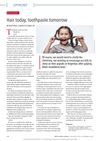
Keratin could help create enamel-regenerating toothpaste in a few years.
35 citations
,
December 2008 in “PubMed” Trichilemmoma, BCC, and SCC tumors have different stem cell marker expressions.
Hedgehog signaling can create new hair follicles in adult skin but may increase cancer risk.
49 citations
,
July 2006 in “British Journal of Dermatology” Calcifying epithelioma cells can differentiate into hair cortex and outer root sheath.
 32 citations
,
January 2022 in “International Journal of Molecular Sciences”
32 citations
,
January 2022 in “International Journal of Molecular Sciences” Melatonin, a hormone, can help protect skin from aging by reducing stress, inflammation, and damage, and may also help treat hair loss in women.
4 citations
,
March 2005 in “Archives of Pathology & Laboratory Medicine” Basal cell carcinoma may originate from vellus hair cysts.
 1 citations
,
April 2016 in “Journal of Investigative Dermatology”
1 citations
,
April 2016 in “Journal of Investigative Dermatology” UV photography can help identify people at higher risk for skin cancer, and male pattern baldness at age 45 is linked to a higher risk of certain skin cancers.
July 2020 in “DOAJ (DOAJ: Directory of Open Access Journals)” Excessive sun protection might contribute to frontal fibrosing alopecia.
 January 2020 in “Nasza Dermatologia Online”
 A mixture of Dijon mustard, turmeric powder, and linseed oil can effectively treat alopecia barbae.
21 citations
,
September 1968 in “Cancer” Citrulline in certain skin tumors suggests they mimic hair growth, helping distinguish them from other cancer types.
1 citations
,
April 2012 in “Cancer Research” Antizyme reduces tumor growth and normalizes skin cell development affected by MEK.