2 citations
,
February 2024 in “International Journal of Molecular Sciences” Negative Pressure Wound Therapy speeds up wound healing by reducing inflammation and promoting skin cell growth.
 67 citations
,
November 2019 in “Molecules”
67 citations
,
November 2019 in “Molecules” Tea, especially green tea, shows promise in cosmetics for skin and hair benefits but more research is needed for effective use.
77 citations
,
June 2002 in “Journal of Investigative Dermatology” CD44 variant changes start alopecia areata, but don't maintain it.
2 citations
,
May 2024 in “Australasian Journal of Dermatology” Early diagnosis, innovative treatments, and considering systemic conditions are crucial in dermatological care.
1 citations
,
July 2025 in “Journal of Investigative Dermatology” IL-27 may help prevent hair loss by creating immune-suppressing cells.
38 citations
,
September 2004 in “Journal of Autoimmunity” Alopecia areata patients have more activated T cells in their blood, which may help in developing treatments.
10 citations
,
April 2017 in “Journal of Investigative Dermatology” The gut microbiome affects the development of alopecia areata.
April 2019 in “Journal of Investigative Dermatology” Gut microbiota influences the development of alopecia areata.
76 citations
,
January 2022 in “Journal of Tissue Engineering” Microneedle patches could replace injections but need more development for better use in medicine.
 February 2025 in “International Journal of Molecular Sciences”
 RIPK1 inhibitors may help prevent alopecia areata by reducing immune cell activity.
 20 citations
,
December 2019 in “The journal of allergy and clinical immunology/Journal of allergy and clinical immunology/The journal of allergy and clinical immunology”
20 citations
,
December 2019 in “The journal of allergy and clinical immunology/Journal of allergy and clinical immunology/The journal of allergy and clinical immunology” Blocking IL-12/IL-23 does not help with hair loss in alopecia areata for mice or humans.
 January 2025 in “American Journal of Translational Research”
 Erianin may effectively treat alopecia areata by targeting the immune system.
 2 citations
,
January 2019 in “Springer eBooks”
2 citations
,
January 2019 in “Springer eBooks” The conclusion is that different blood diseases cause specific oral symptoms and require varied treatments to manage these symptoms and improve patient health.
 3 citations
,
September 2020 in “Case reports in dermatological medicine”
3 citations
,
September 2020 in “Case reports in dermatological medicine” Misdiagnosing kerion as a bacterial infection can lead to unnecessary surgery and permanent hair loss.
 3 citations
,
May 2013 in “Pediatric Dermatology”
3 citations
,
May 2013 in “Pediatric Dermatology” A newborn girl had a rare case of salivary gland tissue on her chest, which was safely removed.
 1 citations
,
April 2019 in “The journal of investigative dermatology/Journal of investigative dermatology”
1 citations
,
April 2019 in “The journal of investigative dermatology/Journal of investigative dermatology” Melanocyte-associated antigens may play a key role in alopecia areata and could be targets for new treatments.
 March 2018 in “Surgical and Radiologic Anatomy”
 High-resolution imaging is crucial for diagnosing and planning treatments in clinical anatomy and aging.
 11 citations
,
May 2010 in “Annals of the Academy of Medicine Singapore”
11 citations
,
May 2010 in “Annals of the Academy of Medicine Singapore” Tinea capitis can cause scalp issues in children and should be considered in similar cases; treatment with griseofulvin and selenium sulfide is effective.
 November 2013 in “John Wiley & Sons, Ltd eBooks”
 The document concludes that accurate diagnosis of male and female gonadal disorders is crucial for effective treatment and better patient outcomes.
 60 citations
,
September 2015 in “Expert Review of Clinical Immunology”
60 citations
,
September 2015 in “Expert Review of Clinical Immunology” Lymphocytes, especially CD8+ T cells, play a key role in causing alopecia areata, and targeting them may lead to new treatments.

Alopecia areata is an autoimmune disease affecting hair follicles and may harm heart health.
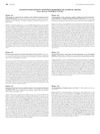 October 2003 in “Journal of Investigative Dermatology Symposium Proceedings”
 Mice treatments didn't grow hair, a patient treatment may affect immune response, and people with hair loss often feel anxious or depressed.
 391 citations
,
January 2010 in “Journal of The American Academy of Dermatology”
391 citations
,
January 2010 in “Journal of The American Academy of Dermatology” Half of people with Alopecia Areata may see hair regrowth within a year without treatment, but recovery is unpredictable.
 May 2019 in “Australasian Journal of Dermatology”
 The document discusses hair and nail conditions, updates on treatments for alopecia, and controversies around finasteride use.
 23 citations
,
June 2003 in “Journal of Investigative Dermatology Symposium Proceedings”
23 citations
,
June 2003 in “Journal of Investigative Dermatology Symposium Proceedings” Alopecia Areata is an autoimmune disease affecting hair follicles, influenced by genetic and environmental factors, with rodent models being essential for research.
 20 citations
,
November 2005 in “Journal of Investigative Dermatology Symposium Proceedings”
20 citations
,
November 2005 in “Journal of Investigative Dermatology Symposium Proceedings” IFN-γ and IL-2 are important for T cell activation in hair loss in mice.
 4 citations
,
November 2023 in “Frontiers in immunology”
4 citations
,
November 2023 in “Frontiers in immunology” New treatments targeting T-cell pathways are needed for better alopecia areata management.
 May 2018 in “White Rose eTheses Online (University of Leeds, The University of Sheffield, University of York)”
 Alopecia areata may be treated by using EGCG to balance immune cells and reduce inflammation.
 3 citations
,
June 2023 in “Frontiers in medicine”
3 citations
,
June 2023 in “Frontiers in medicine” Oxidative stress may contribute to hair loss in alopecia areata and antioxidants could potentially help as a treatment.
 2 citations
,
March 2023 in “3C Empresa Investigación y pensamiento crítico”
2 citations
,
March 2023 in “3C Empresa Investigación y pensamiento crítico” Alopecia areata patients have higher IFN-γ and low vitamin D3 levels.