 October 2023 in “International journal of research in dermatology”
 Mintop shampoo improved hair smoothness, shine, and strength after ten washes.
 2 citations
,
March 2019 in “European Journal of Dermatology”
2 citations
,
March 2019 in “European Journal of Dermatology” Pharmacy-sold shampoos tend to have fewer allergens compared to those sold in other stores.
 January 2025 in “Journal of Pharmacognosy and Phytochemistry”
 Plant-based pigments in shampoo offer vibrant colors and scalp benefits, meeting quality standards and providing a natural alternative to synthetic dyes.

Certain ingredients in personal care products, like formaldehyde, oxidative hair dyes, and sulfates, pose health risks and need careful review.
 5 citations
,
February 2022 in “East African Journal of Science Technology and Innovation”
5 citations
,
February 2022 in “East African Journal of Science Technology and Innovation” The herbal shampoo effectively treats scalp infections in children.
 July 2026 in “International Research Journal of Modernization in Engineering Technology and Science”
 The herbal shampoo is effective, gentle, and eco-friendly.
 October 2024 in “Current Trends in Biotechnology and Pharmacy”
 The shampoo effectively promotes hair growth and is halal-compliant.
 February 2026 in “International Journal of Advanced Research in Science Communication and Technology”
 Herbal anti-dandruff shampoos can be as effective as synthetic ones, with fewer side effects.
10 citations
,
August 2021 in “Cosmetics” The best shampoo formula used 1% high-weight hyaluronic acid, 10% acidic sophorolipid, and 1% salt for effective hair conditioning and cleansing without sulfates or silicones.
21 citations
,
November 2023 in “Heliyon” Tropical herbs are better for hair care than synthetic additives.
 January 2014 in “University of the Arts London Research Online (University of the Arts London)”
 Certain ingredients can help protect hair color.
 3 citations
,
September 2020 in “Journal of cosmetic dermatology”
3 citations
,
September 2020 in “Journal of cosmetic dermatology” Coconut oil makes hair stronger and more flexible than mineral oil.
September 2025 in “International Journal of Cosmetic Science” Friction causes hair breakage during combing, and fragment count predicts hair strength.
1 citations
,
December 2022 in “Skin Research and Technology” The technique helps measure how hair styling ingredients affect hair's stiffness and flexibility.
 11 citations
,
January 2023 in “BioMed Research International”
11 citations
,
January 2023 in “BioMed Research International” Microbial biosurfactants could be a safer and environmentally friendly alternative to chemical surfactants in cosmetics.
3 citations
,
August 2025 in “Fermentation” The biosurfactant is eco-friendly, safe, and effective for cosmetics, offering benefits like anti-aging and hair growth.

Coreopsis tinctoria Nutt. extract can effectively dye hair yellow or dark brown with good wash durability.
 2 citations
,
November 2009 in “Korean journal of chemical engineering”
2 citations
,
November 2009 in “Korean journal of chemical engineering” Adding Brij 78 to minoxidil microparticles in a certain solution helps them stick to the skin better and prevents clumping.
 February 2026 in “Materials”
 Hops can reduce skin irritation and are effective in cosmetics.
 1 citations
,
May 2025 in “The Journal of Rheumatology”
1 citations
,
May 2025 in “The Journal of Rheumatology” Living with lupus as both a patient and doctor improved understanding and care for others.
 5 citations
,
May 2023 in “Frontiers in immunology”
5 citations
,
May 2023 in “Frontiers in immunology” Environmental factors like diet and vitamin levels, especially Vitamin D, can affect autoimmune diseases differently, with lifestyle changes potentially improving outcomes.
 January 2025 in “International journal of Indian medicine”
 Use pure Ayurvedic oils instead of commercial ones for healthier hair.
 1 citations
,
January 2025 in “BIO Integration”
1 citations
,
January 2025 in “BIO Integration” Combining ultrasound and microneedles improves drug delivery through the skin.
 February 2026 in “Applied Health Economics and Health Policy”
 More guidance on evaluating health interventions can improve investment in population health.
 23 citations
,
January 2010 in “Journal of Medical Primatology”
23 citations
,
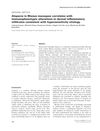
January 2010 in “Journal of Medical Primatology” Hair loss in Rhesus macaques may be caused by a skin allergy-related condition.
 21 citations
,
January 2006 in “Pediatrics”
21 citations
,
January 2006 in “Pediatrics” Some diseases can improve the outcomes of other diseases, leading to new treatment possibilities.

Personalized care and evidence-based treatments are crucial for managing skin and hair conditions.
 July 2025 in “Scientific Reports”
 Fermented grapeseed oil effectively repairs and protects chemically damaged hair.
 February 2025 in “International Journal of Cosmetic Science”
 Protein carbonylation is a sensitive marker for oxidative damage in hair, especially from light exposure.
 February 2021 in “Indonesian Journal of Perinatology”
 Most pregnancies with SLE resulted in intrauterine growth restriction (IUGR).