 October 2025 in “Records of Natural Products”
 Kaempferol promotes hair growth and could be a natural treatment for hair loss.
April 2019 in “The journal of investigative dermatology/Journal of investigative dermatology” Disrupting the Tsc2 gene in certain cells leads to thicker skin, larger hair, and changes in hair growth signaling, which can be partly reversed with specific treatment.
 16 citations
,
February 2007 in “Plastic and Reconstructive Surgery”
16 citations
,
February 2007 in “Plastic and Reconstructive Surgery” Keratinocytes show more TGF-β system activity and collagen production as they age, which might affect wound scarring.
 11 citations
,
July 2015 in “Gene”
11 citations
,
July 2015 in “Gene” DHT affects bone growth by altering gene activity in osteoblasts, potentially complicating steroid use.
January 2026 in “Molecular Nutrition & Food Research” Gynostemma pentaphyllum and Damulin B help prevent skin aging from UVB by reducing oxidative stress and improving skin health.
 21 citations
,
May 2018 in “Journal of Cosmetic Dermatology”
21 citations
,
May 2018 in “Journal of Cosmetic Dermatology” Costunolide helps human hair cells grow and can stimulate hair growth in mice.
 June 2026 in “Journal of Nanobiotechnology”
 Exosomes from stem cells can help treat hair loss by promoting hair growth and reducing hair follicle aging.
January 2026 in “Burns & Trauma” NLRP3 helps control inflammation and repair in wound healing, making it a potential target for treatment.
 19 citations
,
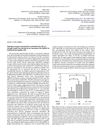
September 2011 in “Journal of Dermatological Science”
19 citations
,
September 2011 in “Journal of Dermatological Science” TGF-β1 increases androgen receptor activity in hair loss, but Hic-5/ARA55 can counter this effect.
 April 2017 in “Journal of Investigative Dermatology”
 HPH-15, a new compound, effectively reduces skin fibrosis in experiments without causing harm.
 April 2026 in “Inflammopharmacology”
 Punica granatum leaf extract may help treat skin fibrosis by reducing inflammation and oxidative stress.

Higher TGF-β signaling may increase skin cancer risk in organ transplant recipients.
 April 2020 in “Research Square (Research Square)”
 Exosomes from stem cells help wounds heal faster by affecting specific cell signals.
 5 citations
,
September 2020 in “Molecules”
5 citations
,
September 2020 in “Molecules” Extracts from three Polynesian plants were found to promote hair growth by affecting cell growth and gene expression related to hair.
 November 2025 in “Frontiers in Immunology”
 Stem cell activity influences autoimmune disease outcomes by affecting immune responses and tissue regeneration.
 4 citations
,
April 2024 in “Cellular and Molecular Biology”
4 citations
,
April 2024 in “Cellular and Molecular Biology” Injectable platelet-rich fibrin is better than platelet-rich plasma for promoting hair growth.
 103 citations
,
November 2014 in “Journal of Cell Biology”
103 citations
,
November 2014 in “Journal of Cell Biology” MicroRNA-214 is important for skin and hair growth because it affects the Wnt pathway.
 55 citations
,
April 2022 in “Journal of Molecular Medicine”
55 citations
,
April 2022 in “Journal of Molecular Medicine” Aging and chronic inflammation weaken the immune system, increasing cancer and infection risks.
 41 citations
,
October 2008 in “The American journal of pathology”
41 citations
,
October 2008 in “The American journal of pathology” Blocking a specific protein signal can make hair grow on mouse nipples.
 18 citations
,
February 2022 in “Cell Death Discovery”
18 citations
,
February 2022 in “Cell Death Discovery” ECM1-modified stem cells can effectively treat liver cirrhosis.
 28 citations
,
July 2007 in “Development”
28 citations
,
July 2007 in “Development” TAF4 is important for skin cell growth and helps prevent skin cancer in mice.
 26 citations
,
September 2018 in “Journal of Molecular Cell Biology”
26 citations
,
September 2018 in “Journal of Molecular Cell Biology” Endoglin is crucial for proper hair growth cycles and stem cell activation in mice.
 82 citations
,
February 2017 in “Cold Spring Harbor Perspectives in Biology”
82 citations
,
February 2017 in “Cold Spring Harbor Perspectives in Biology” The TGF-β family helps control how cells change and move, affecting skin, hair, and organ development.
3 citations
,
July 2022 in “Brain and Behavior” The HtrA1L364P mutation causes brain dysfunction and blood vessel damage.
 April 2026 in “International Journal of Molecular Sciences”
 Targeting non-Smad pathways in TGF-β signaling may improve keloid treatment.
 59 citations
,
March 2008 in “The journal of investigative dermatology/Journal of investigative dermatology”
59 citations
,
March 2008 in “The journal of investigative dermatology/Journal of investigative dermatology” Smad-4 and Smad-7 are key in hair follicle development, with other Smads being less important.
 245 citations
,
January 2018 in “Bone Research”
245 citations
,
January 2018 in “Bone Research” TGF-β is crucial for tissue repair and can cause diseases if not properly regulated.
 93 citations
,
November 2018 in “Carbohydrate Polymers”
93 citations
,
November 2018 in “Carbohydrate Polymers” New nanocomposites with copper show promise for healing burn wounds and regenerating skin.
43 citations
,
January 2016 in “Oxidative medicine and cellular longevity” THSG from a Chinese plant helps with aging and related diseases.
 28 citations
,
July 2008 in “Developmental Biology”
28 citations
,
July 2008 in “Developmental Biology” Smad4 is important for healthy hair follicles because it helps produce a protein needed for hair to stick together and grow.