 January 2024 in “Wiadomości Lekarskie”
 AI is advancing in dermatology and cosmetology, raising questions about its potential and trustworthiness.
January 1995 in “Expert Systems with Applications” 1 citations
,
May 2023 in “Elsevier eBooks”  7 citations
,
April 2021 in “Journal of The American Academy of Dermatology”
7 citations
,
April 2021 in “Journal of The American Academy of Dermatology” A new teledermatology system improved access and reduced wait times for skin care.
20 citations
,
March 2017 in “Arthritis research & therapy” Social media can help compare the effectiveness and safety of new arthritis medications.
22 citations
,
November 2023 in “Molecules” Smart microneedles can deliver drugs painlessly and accurately for diseases like diabetes and tumors.
February 2018 in “The journal of sexual medicine” Telemedicine is effective for sexual medicine consultations.
 April 2023 in “Journal of Investigative Dermatology”
 The improved EczemaNet more reliably and clearly identifies and assesses the severity of atopic dermatitis from photos.
April 2025 in “Preprints.org” AI can personalize exercise to improve skin health.
9 citations
,
January 2025 in “Droplet” Precise cell manipulation technologies are advancing but still face challenges in improving accuracy for medical use.
4 citations
,
March 2023 in “Cancer Innovation” Flexible bioelectronics show promise in non-invasive cancer detection and treatment but need improvements in stability and effectiveness.
 3 citations
,
January 2025 in “Advances in Dermatology and Allergology”
3 citations
,
January 2025 in “Advances in Dermatology and Allergology” Social media can motivate young Polish adults to visit a dermatologist.
 July 2025 in “E-methodology”
 AI can improve hair care but needs legal clarity and is not widely used in Poland yet.
12 citations
,
November 2023 in “Medicine” AI in dermatology is growing rapidly, showing promise in diagnosing skin conditions as accurately as dermatologists.
 1 citations
,
September 2025 in “Clinical Cosmetic and Investigational Dermatology”
1 citations
,
September 2025 in “Clinical Cosmetic and Investigational Dermatology” Adipose-derived stem cell exosomes and AI can improve personalized skincare by offering anti-aging benefits and precise product customization.

The system helps lavender plants grow better by monitoring and adjusting their environment.
 June 2023 in “Journal of Cosmetic Dermatology”
 AI and AR are improving cosmetic dermatology but face challenges like data quality and ethical concerns.
 20 citations
,
August 2019 in “Journal of Telemedicine and Telecare”
20 citations
,
August 2019 in “Journal of Telemedicine and Telecare” Dermatologists found teledermatology useful and confidence-boosting for diagnosing skin conditions, but faced limitations like technical issues and prescription restrictions. Despite this, they saw its potential to improve access to skin care, especially in remote areas.
 14 citations
,
April 2019 in “PLOS ONE”
14 citations
,
April 2019 in “PLOS ONE” Skin cancer is common in elderly nursing home residents, with risk factors including being male, having light skin, outdoor work history, and smoking. Regular skin checks are recommended.
10 citations
,
December 2020 in “Dermatitis” Ethnic hair products contain different allergens than nonethnic ones, with fragrance being the most common in ethnic products.
3 citations
,
January 2025 in “Journal of Research in Medical Sciences” Intermittent fasting, with or without probiotics, doesn't improve inflammation or stress markers in women with PCOS compared to calorie restriction.
3 citations
,
August 2024 in “Applied Sciences” A web platform was created to help diagnose scalp conditions accurately and easily.
2 citations
,
September 2023 in “Journal of the Egyptian Womenʼs Dermatologic Society” Exclamation mark hairs and broken hairs best indicate active alopecia areata.
 February 2025 in “PubMed”
 AI-personalized hair loss treatments improved hair growth and scalp health without side effects.
New imaging tools help doctors better examine hair and scalp health without surgery.
 June 2022 in “Indian Dermatology Online Journal”
 Teledermatology effectively managed most skin conditions remotely during the COVID-19 pandemic.
 March 2022 in “JAMA Dermatology”
 In 2021, JAMA Dermatology published significant findings on skin conditions post-COVID vaccination, melanoma surveillance, atopic dermatitis treatments, and confirmed that sun protection does not harm bone health.
 July 2019 in “Journal of the European Academy of Dermatology and Venereology”
 Some eczema treatments may cause conjunctivitis, many people have sensitive eyes, air pollution can increase skin wrinkles, hair loss medication does not affect sexual function, and dermatologists can help identify torture signs on refugees' skin.
 1 citations
,
January 2023 in “Brazilian Journals Editora eBooks”
1 citations
,
January 2023 in “Brazilian Journals Editora eBooks” Children's screen time increased during the pandemic, causing various health issues.
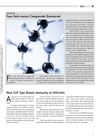 December 2011 in “Asia-Pacific biotech news”
 In 2011, there were major scientific breakthroughs in cancer treatment, immunity, Parkinson's, virus simulation, schizophrenia, hair growth, lung cancer, and medical grafts.