 1 citations
,
February 2023 in “JMIR. Journal of medical internet research/Journal of medical internet research”
1 citations
,
February 2023 in “JMIR. Journal of medical internet research/Journal of medical internet research” Social media data can help track COVID-19 symptoms and predict the pandemic's status.
Social media data can help track and predict COVID-19 symptoms and trends.
3 citations
,
May 2022 in “Journal of Cosmetic Dermatology” 
Fad diets and supplements from social media can cause skin and hair problems.
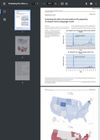 April 2024 in “Skin research and technology”
 Celebrity endorsements can greatly increase interest in cosmetic procedures.
January 2023 in “Journal of Cosmetic Dermatology” Alopecia areata gained more interest on social media than pattern hair loss, with TikTok showing more personal stories and YouTube offering higher quality educational content.
 March 2026 in “JMIR Dermatology”
 Interest in JAK inhibitors for alopecia areata increased significantly after FDA approval, highlighting the need for patient education.
 June 2023 in “British journal of dermatology/British journal of dermatology, Supplement”
 Patients with alopecia areata face challenges accessing Janus kinase inhibitors, but some see positive results.
 November 2019 in “Monatsschrift Kinderheilkunde”
 The document concludes that pediatricians play a vital role in supporting adolescents through puberty and should enhance their competence in this area.
 June 2024 in “British Journal of Dermatology”
 Hair oiling has become popular in the West due to globalization and social media.
 July 2019 in “Facial Plastic Surgery Clinics of North America”
 New techniques and technologies are improving facial plastic and reconstructive surgery.
Lifestyle changes can improve skin health and reduce disease symptoms.
4 citations
,
October 2023 in “Plastic & Reconstructive Surgery Global Open” Cosmetic surgery is increasing in Japan, and better databases are needed.
 3 citations
,
January 2025 in “Advances in Dermatology and Allergology”
3 citations
,
January 2025 in “Advances in Dermatology and Allergology” Social media can motivate young Polish adults to visit a dermatologist.
 December 2025 in “Uludağ Üniversitesi Tıp Fakültesi Dergisi”
 Social media significantly influences medical professionals' interest in cosmetic procedures.
Women with PCOS have lower self-esteem and body image satisfaction.
 1 citations
,
September 2022 in “JAAD international”
1 citations
,
September 2022 in “JAAD international” Social media videos made by dermatologists significantly improved patient knowledge about hair loss.
 April 2025 in “Journal of Cosmetic Dermatology”
 Social media doesn't significantly influence treatment choices for hair loss, but better education on options is needed.
 26 citations
,
October 2021 in “Current Dermatology Reports”
26 citations
,
October 2021 in “Current Dermatology Reports” Social media is increasingly used in dermatology for education and networking but has risks like misinformation and privacy issues.
20 citations
,
March 2017 in “Arthritis research & therapy” Social media can help compare the effectiveness and safety of new arthritis medications.
 1 citations
,
February 2017 in “Journal of Aesthetic Nursing”
1 citations
,
February 2017 in “Journal of Aesthetic Nursing” Men are getting more beard transplants to look better and follow fashion trends.
 December 2025 in “Dinasti International Journal of Management Science”
 Using digital technology effectively promotes Manila Sapodilla Seed Oil Extract Emulsion as a hair growth product.
Social Botox and societal beauty standards negatively impact adolescent self-image, influenced by social media and cultural pressures.
 1 citations
,
January 2024 in “Curēus”
1 citations
,
January 2024 in “Curēus” Clinicians should use social and prescription data to track trends in performance-enhancing drug use.
1 citations
,
April 2024 in “Journal of Cosmetic Dermatology” Healthcare professionals should use social media effectively to share accurate medical information.
 May 2023 in “JAMA network open”
 After a New York Times article talked about using low-dose oral minoxidil for hair loss, more people started getting this drug prescribed, but this trend didn't last long.
 2 citations
,
December 2013 in “Revista Colombiana de Obstetricia y Ginecología”
2 citations
,
December 2013 in “Revista Colombiana de Obstetricia y Ginecología” Modern beauty standards encourage women to remove pubic hair for aesthetic and social reasons.
 January 2024 in “Wiadomości Lekarskie”
 Social media and virtual reality increase dissatisfaction with natural appearance, boosting demand for aesthetic surgery.
 117 citations
,
August 2008 in “Sociology of Health and Illness”
117 citations
,
August 2008 in “Sociology of Health and Illness” The conclusion is that the increasing use of drugs for lifestyle reasons is a complex issue influenced by corporate profit, consumer behavior, and the medicalization of everyday life, with potential negative effects on personal well-being.
 January 2024 in “Dermatology Review”
 Thread lift information on social media is mostly poor quality, especially on TikTok.