 April 2015 in “Journal of Nutritional Therapeutics”
 Looser dietary restrictions can improve growth and reduce illness in methylmalonic acidemia patients.
 7 citations
,
April 2018 in “Cosmetics”
7 citations
,
April 2018 in “Cosmetics” Lipids in Japanese hair help maintain glossiness and structure.
 3 citations
,
November 2018 in “Journal of cellular physiology”
3 citations
,
November 2018 in “Journal of cellular physiology” Serenoa repens and N-acetyl glucosamine/milk proteins complex may help with hair growth and prevent hair loss.
 July 2022 in “International Journal of Applied Pharmaceutics”
 The optimized caffeine formula improved hair growth and penetrated all skin layers.
The serum with these ingredients may help reduce hair loss and promote growth.

Light fraction patchouli oil at 1.5% effectively treats dandruff and promotes hair growth.
April 2023 in “International Journal of Pharmaceutics” Melatonin in a special emulsion can help treat hair loss more effectively.
 76 citations
,
May 2011 in “Liver transplantation”
76 citations
,
May 2011 in “Liver transplantation” Liver transplantation is a viable option for children with propionic acidemia, improving quality of life and diet, but does not remove all risks and long-term brain outcomes are uncertain.
 April 2025 in “Pharmaceuticals”
 APA is a promising new compound for repairing damaged hair, outperforming Olaplex® in strength and elasticity.
 November 2022 in “Journal of Investigative Dermatology”
 The extract of Silybum marianum, Manganese PCA, and Lespedeza capitata can boost hair growth and extend the growth phase when combined in a serum.
3 citations
,
April 2025 in “Advanced Healthcare Materials” Light-activated hyaluronic acid derivatives can enhance skin healing and regeneration.
2 citations
,
March 2021 in “Journal of nanoscience and nanotechnology” Nanoliposomes loaded with saw palmetto extract could be good for treating hair loss.
24 citations
,
July 2015 in “Molecular Medicine Reports” Lysophosphatidic acid boosts stem cell growth and movement by creating reactive oxygen species.
7 citations
,
July 2023 in “International Journal of Molecular Sciences” Hyaluronic acid reduces cell damage from DMSO in preserved human cells.
 2 citations
,
November 2021 in “International Journal of Applied Pharmaceutics”
2 citations
,
November 2021 in “International Journal of Applied Pharmaceutics” The phytosome lotion made from Mangkokan leaf extract was more effective for hair growth than 2% minoxidil, especially at 30% concentration.
5 citations
,
August 2016 in “International Journal of Cosmetic Science” Shampoo coacervates can cause scalp irritation due to released surfactants.
A new peptide, murikal/SPR4, was found to significantly increase hair growth in mice, and its liposomal topical formulations enhanced hair growth more than commercial products. However, results on human scalp skin were unclear, needing more tests.
 2 citations
,
January 2012 in “Hair therapy & transplantation”
2 citations
,
January 2012 in “Hair therapy & transplantation” DDAIP-HCl significantly increases minoxidil absorption into the skin.
 February 2024 in “PubMed”
 The new minoxidil lotion using Aloplus Total is stable and can be mixed with other ingredients for treating hair loss.
June 2026 in “Frontiers in Physiology” The cream effectively reduces oily skin, improves hydration, and changes skin bacteria.
 12 citations
,
February 2010 in “Tetrahedron Letters”
12 citations
,
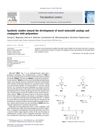
February 2010 in “Tetrahedron Letters” New minoxidil compounds with better water solubility were made, but their full effects and safety need more research.
35 citations
,
February 2003 in “Biochimica et Biophysica Acta (BBA) - General Subjects” Lead can help reveal and organize lipids in human hair.
 October 2023 in “Bioactive Materials”
 The new hair loss treatment combining nitric oxide and minoxidil in a special carrier is effective for hair regrowth.
 March 2011 in “Focus on surfactants”
 Several companies launched new hair care ingredients in 2011 to improve conditioning, color retention, combability, and heat protection.
 January 2026 in “Saudi Journal of Medical and Pharmaceutical Sciences”
 Gel D shows promise as a natural hair care solution for traction alopecia.
12 citations
,
January 2023 in “AAPS PharmSciTech” 
Safflower extract in nanostructured carriers was more effective than minoxidil for hair growth without irritating skin.
 2 citations
,
February 2021 in “IONTech.”
2 citations
,
February 2021 in “IONTech.” Shampoo with 5% snail mucus promotes the most hair growth.
 9 citations
,
December 2018 in “JAAD case reports”
9 citations
,
December 2018 in “JAAD case reports” Lipedematous alopecia involves a thickened scalp and hair loss, with limited effective treatments available.
 August 2021 in “Josai University Repository of Academia (Josai University)”
 The nanoparticles improved minoxidil's skin absorption, making them promising for skin treatments.