November 2024 in “Journal of Investigative Dermatology” Nerve fibers may worsen mast cell activity, leading to abnormal elastic fiber buildup from sun exposure.
 11 citations
,
January 2004 in “Exogenous dermatology”
11 citations
,
January 2004 in “Exogenous dermatology” Outside factors like grooming, chemicals, and the environment can damage hair and cause disorders.
2 citations
,
April 2021 in “International Journal of Cosmetic Science” The sunscreen with two antioxidants offers quick and lasting skin protection from sun damage.
 July 2023 in “International Journal of Molecular Sciences”
 N,N-Dimethylglycine Sodium Salt helps reduce skin inflammation and improves skin cell growth and healing.
 19 citations
,
July 2009 in “Clinical and Experimental Dermatology”
19 citations
,
July 2009 in “Clinical and Experimental Dermatology” The study found that long-term sun exposure does not significantly affect follicular plugs on the scalp, and the scalp's appearance is unique compared to other body parts.
 September 2005 in “Journal of Investigative Dermatology”
 Ferulic acid helps stabilize vitamins C and E for better skin protection from the sun, certain compounds may promote hair growth, atopic dermatitis patients have lower skin defense molecules, older men are more likely to get a type of skin cancer, and a substance called relaxin may prevent age-related skin thickening.
 November 2020 in “Journal of The American Academy of Dermatology”
 Taking vitamin C and vitamin E twice a day can help prevent sunburn and DNA damage from UVB exposure.
 9 citations
,
May 2013 in “JAMA Dermatology”
9 citations
,
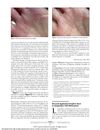
May 2013 in “JAMA Dermatology” Sunlight exposure improved a patient's skin condition, and there may be a link between a certain disease and skin growths; a leukemia treatment caused changes in hair color and growth.
 2 citations
,
January 2014 in “The Korea Journal of Herbology”
2 citations
,
January 2014 in “The Korea Journal of Herbology” Polygoni Multiflori Radix may help reduce skin aging by lowering collagenase and elastase activity.
 195 citations
,
January 2008 in “Photochemistry and Photobiology”
195 citations
,
January 2008 in “Photochemistry and Photobiology” Visible light can damage skin and most sunscreens don't block it well; more research is needed on its effects and protection methods.
 6 citations
,
September 2013 in “Advanced materials research”
6 citations
,
September 2013 in “Advanced materials research” Non-ionic silicone emulsion best protects hair color from sunlight.
 222 citations
,
January 2005 in “Endocrine journal”
222 citations
,
January 2005 in “Endocrine journal” Melatonin is important for skin health and protection, and can be made by the skin or applied to it.
 24 citations
,
March 2018 in “Pigment Cell & Melanoma Research”
24 citations
,
March 2018 in “Pigment Cell & Melanoma Research” The environment around melanocyte stem cells is key for hair regeneration and color, with certain injuries affecting hair color and potential treatments for pigmentation disorders.
 January 2026 in “Nature Communications”
 A wearable device using NIR light may help treat hair loss non-invasively.
 January 2024 in “Journal of tissue engineering”
 Sunlight exposure damages hair follicles, but certain stem cell-derived particles can reduce this damage and help with hair regeneration.
 June 2015 in “Biomedical and biopharmaceutical research”
 The congress showed advancements in skin hydration, barrier function, and safe, effective new cosmetic formulations.
 March 2014 in “Institutional Repositories DataBase (IRDB)”
 Skin-derived stem cells could help treat skin aging and pigmentation issues.
 36 citations
,
June 2018 in “Journal of Dermatology”
36 citations
,
June 2018 in “Journal of Dermatology” Use finasteride, dutasteride, and minoxidil for hair loss treatment.
 March 2026 in “Frontiers in Cell and Developmental Biology”
 Vascular endothelial cells may significantly influence skin stem cells, but more research is needed.
 65 citations
,
March 2016 in “Lasers in Medical Science”
65 citations
,
March 2016 in “Lasers in Medical Science” Most low-level light therapy studies did not accurately report how light was measured, affecting treatment reliability.
 57 citations
,
June 2021 in “Polymers”
57 citations
,
June 2021 in “Polymers” Photothermal hydrogels are promising for infection control and tissue repair, and combining them with other treatments could improve results and lower costs.
 16 citations
,
March 2017 in “Bone Marrow Transplantation”
16 citations
,
March 2017 in “Bone Marrow Transplantation” Some children who had stem cell transplants developed permanent hair loss, especially when treated with a drug called busulphan.
 93 citations
,
October 2006 in “The International Journal of Biochemistry & Cell Biology”
93 citations
,
October 2006 in “The International Journal of Biochemistry & Cell Biology” Melanocytes are crucial for skin pigmentation and can affect conditions like melanoma, vitiligo, and albinism, as well as hair color and hearing.
14 citations
,
September 2016 in “Journal of Photochemistry and Photobiology B Biology” UV exposure damages hair, increasing thiols and altering protein structure.
 10 citations
,
July 2022 in “Dermatology and Therapy”
10 citations
,
July 2022 in “Dermatology and Therapy” Melasma's causes include genetics, sun exposure, hormones, and oxidative stress, and understanding these can help create better treatments.
6 citations
,
May 2025 in “Cosmetics” Sunscreen technology is improving with new ingredients and methods to better protect skin from sun damage.
 2 citations
,
May 2023 in “Photobiomodulation, photomedicine, and laser surgery”
2 citations
,
May 2023 in “Photobiomodulation, photomedicine, and laser surgery” Light therapy is effective and safe for treating skin color disorders like vitiligo and dark spots.
February 2024 in “International journal of molecular sciences” UV exposure reduced hair shine in mice, but minoxidil helped restore it.
 August 2025 in “Aesthetic Cosmetology and Medicine”
 Blue light can damage hair and scalp, leading to hair loss.
 77 citations
,
July 2020 in “Journal of the European Academy of Dermatology and Venereology”
77 citations
,
July 2020 in “Journal of the European Academy of Dermatology and Venereology” Environmental factors, hormones, nutrition, and stress all significantly affect skin health and aging.