Search
for
Sort by
Research
60-90 / 1000+ resultsresearch Topical and Systemic Therapies in Melasma: A Systematic Review
Choose melasma treatments based on individual needs and local availability.
research Safety Assessment of Ritlecitinib Based on the FDA Adverse Event Reporting System (FAERS) Database: A Real‐World Pharmacovigilance Study
Ritlecitinib has common side effects like headache and acne, and unexpected ones like diabetes and thyroid issues.

research Self-assembled polymeric nanocarriers for the targeted delivery of retinoic acid to the hair follicle
The new micelle formulation delivers acne treatment more effectively and safely than current gels.
research Alfuzosin/finasteride
research Alfuzosin/finasteride
research Continuous MEK inhibition by AZD6244 (ARRY-142886) results in exhaustion of the cutaneous keratinocytic stem cell pool and resembles senescence driven skin aging
AZD6244 treatment causes skin aging effects by depleting skin stem cells.
research Azasteroids as inhibitors of testosterone 5α-reductase in mammalian skin
Certain 4-azasteroids are effective at blocking the enzyme that processes testosterone in human skin and could help treat acne, excessive hair growth, and male pattern baldness.
research Moving Beyond Boundaries: Utilization of Longitudinal Exposure–Response Model for Bounded Outcome Score to Inform Decision Making in the Accelerated Drug Development Paradigm
A 50 mg daily dose of ritlecitinib is effective for alopecia areata, with temporary treatment breaks up to 6 weeks not affecting results.
research Application of Acyzol in the Context of Zinc Deficiency and Perspectives
Acyzol could help treat conditions caused by zinc deficiency.
research Latanoprost
research Cutaneous Side Effects in Non-Small Cell Lung Cancer Patients Treated with Iressa (ZD1839), an Inhibitor of Epidermal Growth Factor
Iressa often causes skin issues like acne and dryness in lung cancer patients.
research 0951 Breezula, a clinical stage topical anti-androgen, promotes dermal papilla inductivity and reduces IL-6 secretion in balding skin samples ex vivo
Breezula® may be more effective than Minoxidil in promoting hair growth by reducing a hair growth inhibitor.
research Apremilast for extensive and treatment-resistant alopecia areata: a retrospective analysis of five patients
Apremilast showed mixed results for treating severe alopecia areata.
research Rationale and Design of a Novel, Phase 3, External and Synthetic Placebo-Controlled Clinical Trial of Ritlecitinib 50 mg and 100 mg for Alopecia Areata
Ritlecitinib is being tested for effectiveness and safety in treating severe alopecia areata.
research Combination of Low-Dose Isotretinoin and Pulsed Oral Azithromycin in the Management of Moderate to Severe Acne
Low-dose isotretinoin combined with pulsed azithromycin cleared acne in most patients, with mild side effects.
research 44047 Long Term Real-World Treat-to-Target Skin Clearance and Maintenance of Response with Risankizumab in Patients with Moderate to Severe Psoriasis From the CorEvitas Psoriasis Registry
Risankizumab effectively treats and maintains skin clearance in moderate-to-severe psoriasis.
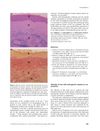
research Attitudes of men with androgenetic alopecia to sun protection
Most bald men don't protect their scalp from the sun, and doctors should encourage prevention.

research Niosomal versus cubosomal gels of cetirizine hydrochloride: Cost-effective permeation enhancement for potential transdermal application
Cubosomal gels enhance skin absorption of cetirizine better than niosomal gels.
research 9-cis-Retinoic Acid Capsules in the Treatment of AIDS-Related Kaposi Sarcoma
9-cis-retinoic acid showed some effectiveness in treating AIDS-related Kaposi sarcoma but had significant side effects at higher doses.
research Integrated Safety Analysis of Ritlecitinib, an Oral JAK3/TEC Family Kinase Inhibitor, for the Treatment of Alopecia Areata from the ALLEGRO Clinical Trial Program
Ritlecitinib is safe and well-tolerated for treating alopecia areata in patients aged 12 and older.
research An industry update: what’s new in the field of therapeutic delivery this month?
New drugs for Alzheimer's and rheumatoid arthritis advanced, a Zika vaccine is in development, and there were business deals in anesthesia and oncology.
research Weekly azathioprine pulse versus betamethasone oral mini-pulse in the treatment of moderate-to-severe alopecia areata
Weekly azathioprine pulse is a better alternative to corticosteroids for treating alopecia areata due to fewer side effects.
research Ozenoxacin suppresses sebum production by inhibiting mTORC1 activation in differentiated hamster sebocytes
Ozenoxacin reduces sebum production, helping manage acne.
research PC-SPES Studies Promising, But Manufacturer Shuts Down
Promising cancer treatments were found, but the manufacturer closed.
research Use of an alternative method to evaluate erythema severity in a clinical trial: difference in vehicle response with evaluation of baseline and postdose photographs for effect of oxymetazoline cream 1·0% for persistent erythema of rosacea in a phase IV study
Oxymetazoline cream 1.0% effectively reduces rosacea redness, and using baseline photos improves assessment accuracy.
research A prospective study of daylight photodynamic therapy for treatment of actinic keratoses in an Irish population
Daylight photodynamic therapy is effective and well-tolerated for treating actinic keratoses with minimal side effects.
research Compatibility of Cetirizine Hydrochloride, Dutasteride, Hydrocortisone Acetate, Nicotinamide, Progesterone, and Pyridoxine Hydrochloride in TrichoSolTM, A Natural Vehicle for Hair Solutions.
TrichoSolTM is safe for hair loss treatments with specific ingredient stability for up to 180 days.
research Dermatoscopic of pseudocyst of the scalp
Both azathioprine and betamethasone treatments help with hair regrowth in alopecia areata, but azathioprine may have fewer side effects.
research Sulfasalazine for alopecia areata
Sulfasalazine may help regrow hair in severe alopecia areata cases.