December 2025 in “Biomedicines” Tyrosine kinase inhibitors for endocrine tumors often cause skin issues, requiring early management and treatment adjustments.
 September 2025 in “Journal of International Medical Research”
 Chlorine gas exposure can cause long-term skin issues.
Polyglutamic acid is a valuable, sustainable ingredient for skincare and haircare products.
February 2009 in “Journal of the American Academy of Dermatology”  18 citations
,
January 2016 in “Elsevier eBooks”
18 citations
,
January 2016 in “Elsevier eBooks” Nanotechnology improves cosmetics' effectiveness and safety.
July 2024 in “Journal of Investigative Dermatology” Topical melatonin may reduce skin aging by inhibiting certain cellular pathways.
 April 2018 in “Journal of Investigative Dermatology”
 Finasteride helps female-pattern hair loss.
 February 2024 in “International Journal For Multidisciplinary Research”
 Nanostructured lipid carriers are effective for treating hyperpigmentation in women aged 30-40.
 April 2016 in “Journal of Investigative Dermatology”
 Vitamin D can reduce skin inflammation caused by UV rays by enhancing cell "fitness" and skin repair.
 August 2016 in “Journal of Investigative Dermatology”
  January 2015 in “Dermatology”
 The document covers various dermatological treatments and conditions.
Spironolactone is a promising alternative to antibiotics for treating acne in adult females.
 12 citations
,
September 2018 in “International Journal of Cosmetic Science”
12 citations
,
September 2018 in “International Journal of Cosmetic Science” Palmitoyl tetrapeptide-20 may help reduce hair greying and increase melanin production.
52 citations
,
January 2016 in “Brazilian Journal of Medical and Biological Research” Combining glycyrrhizin and UVB light is most effective for improving vitiligo.
 October 2021 in “Journal of Investigative Dermatology”
 The study concludes that as skin matures from infancy to childhood, there are major changes in cell differentiation, stemness, and growth, leading to a stronger skin barrier in older children.
April 2026 in “Journal of Investigative Dermatology” ZNF750 helps keep hair follicles healthy and prevents skin inflammation.
 July 2012 in “EFSA supporting publications”
 The EFSA maintained its view that spermidine's effect on hair growth is related to disease treatment and does not meet the health claim criteria.
Different types of sun exposure can damage skin cells and affect healing, with chronic exposure being more harmful, and certain immune cells help in the repair process.
March 2010 in “European Journal of Cancer Supplements”  23 citations
,
March 2019 in “The journal of investigative dermatology/Journal of investigative dermatology”
23 citations
,
March 2019 in “The journal of investigative dermatology/Journal of investigative dermatology” ATP increases melanin production in skin after UV exposure, with the P2X7 receptor being crucial for this process.
 6 citations
,
September 2014 in “Food Additives & Contaminants: Part A”
6 citations
,
September 2014 in “Food Additives & Contaminants: Part A” New method effectively detects illegal hormones in anti-aging foods.
 3 citations
,
January 2023 in “Journal of Pharmaceutical Negative Results”
3 citations
,
January 2023 in “Journal of Pharmaceutical Negative Results” The emulgel with 11.5% oil and 1.75% gelling agent effectively delivers fluconazole topically with improved spreadability and stability.
 25 citations
,
January 2005 in “Pediatric Dermatology”
25 citations
,
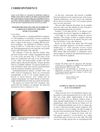
January 2005 in “Pediatric Dermatology” Methotrexate effectively treated a 2-year-old's generalized pustular psoriasis without side effects.
 3 citations
,
September 2017 in “Pediatric Dermatology”
3 citations
,
September 2017 in “Pediatric Dermatology” Avoiding allergens can improve skin and hair conditions in adults with allergic reactions.
Different types of sun exposure damage skin cells and immune cells, with chronic exposure leading to more severe and lasting damage.
 July 1999 in “Journal of The European Academy of Dermatology and Venereology”
 Bath PUVA therapy works well for a skin condition without as many cancer risks and is cheaper, and iron deficiency might not cause female hair loss.
December 2025 in “Cosmetics” Nanocarriers can improve skin treatments after cancer therapy by enhancing antioxidant delivery and effectiveness.
43 citations
,
November 2012 in “Pharmaceutical research” Fractional CO2 laser treatment significantly boosts drug and nanoparticle skin absorption, especially through hair follicles.
48 citations
,
May 2021 in “Molecules” Plant extracts from dry flowers can be used as safe, effective dyes in cosmetics, offering skin protection and anti-aging benefits.