 January 2026 in “Indian Journal of Plastic Surgery”
 Nonculture epidermal suspension is an effective, simple, and safe treatment for stable vitiligo.
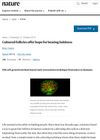
Growing hair follicles from cultured cells could potentially treat baldness, but more research is needed.
6 citations
,
October 1989 in “PubMed” Optimized conditions and specific treatments enhance the growth of hair cells from C3H mice.
October 2014 in “Microscopy” The method using ionic liquid improves observation of cell structures with less damage.
Hair bulb cells can create skin-like tissues for potential skin repair.
3 citations
,
June 2022 in “Cells” The conclusion is that the new method makes collecting cells from plucked hair to create stem cells more efficient and less invasive.
A skin model using hair and skin cells can mimic human skin for research.
 5 citations
,
December 2017 in “Tissue and cell/Tissue & cell”
5 citations
,
December 2017 in “Tissue and cell/Tissue & cell” Researchers found stem cells in dog hair follicles using specific markers.
57 citations
,
October 1996 in “Dermatologic clinics” HA-MNs with MXD effectively treat hair loss better than topical MXD with fewer side effects.
39 citations
,
March 2022 in “Nature Protocols” Scientists created hair-growing skin models from stem cells, which could help treat hair loss and skin diseases.
66 citations
,
August 2007 in “Applied and environmental microbiology” The engineered yeast strain BLYAS can quickly and sensitively detect androgenic chemicals.
54 citations
,
March 1991 in “Proceedings of the National Academy of Sciences” This model can replace animal testing for quick, cost-effective skin toxicity tests.
7 citations
,
February 1982 in “Australian Journal of Biological Sciences” Epithelial cells from young rat hair follicles grow and form aggregates in culture, but don't produce hair keratin proteins.
 1 citations
,
July 2023 in “Journal of visualized experiments”
1 citations
,
July 2023 in “Journal of visualized experiments” The new method makes it easier to study the whole cochlea from newborn mice and rats in the lab.
2 citations
,
January 2013 in “Journal of Clinical & Experimental Dermatology Research” Human hair follicles can be grown in a lab for about a week.
January 2005 in “Journal of Shandong Univenity” Epidermal stem cells are in hair follicle bulge regions, and isolation and culture methods are effective.
45 citations
,
November 2022 in “Acta Biomaterialia” A new 3-D co-culture system improves hair growth potential in cells for hair regeneration.
32 citations
,
September 1996 in “Archives of Dermatological Research” 6 citations
,
September 1996 in “Archives of Dermatological Research” 3 citations
,
October 2025 in “Dentistry Journal” Low-speed protocols with certified centrifuges and FDA-approved glass tubes are best for effective PRF outcomes.
 5 citations
,
September 2015 in “PLoS ONE”
5 citations
,
September 2015 in “PLoS ONE” Gelfoam® histoculture supports long-term hair and nerve growth in mouse whisker follicles.
2 citations
,
January 2019 in “Recent Advances in Biology and Medicine” A 5% DMSO and 5% BSA mix best preserves rabbit dermal papilla cells during cryopreservation.
7 citations
,
January 1990 in “Archives of Dermatological Research” Syringomas likely start in the upper dermis and form distinct luminal structures.
 March 2022 in “Research Square (Research Square)”
 The new method isolates more hair follicle stem cells from mice quickly and these cells help promote hair growth.
 May 2022 in “Research Square (Research Square)”
 OBEME effectively enhances wound healing and could be a promising carrier for skin treatments.
16 citations
,
March 2021 in “Frontiers in cell and developmental biology” A new method using Y-27632 improves the growth and quality of human hair follicle stem cells for tissue engineering and therapy.
March 2026 in “Materials Today Bio” The new cryo-MAP technique enables rapid and successful hair growth by transplanting hair follicle organoids.
 May 1999 in “Dermatologic Surgery”
 The cell culture medium "RPMI" might slightly improve hair graft survival, but not by a significant amount.
143 citations
,
January 2012 in “Cell and Tissue Research” 1 citations
,
February 2025 in “International Journal of Molecular Sciences” Enzymatic digestion is an efficient method for isolating cells from hair follicles for tissue-engineered skin.