110 citations
,
January 1995 in “European Journal of Neuroscience” Glycine is a key transmitter in rat spinal cord synapses, often alongside GABA.
 88 citations
,
January 2004 in “Journal of Neuroscience”
88 citations
,
January 2004 in “Journal of Neuroscience” Neurosteroids regulate synaptic inhibition in the spinal cord and may help manage spinal pain.
80 citations
,
December 1996 in “Pain” Disruption of glycinergic circuits increases pain sensitivity, suggesting new pain treatment options.
 48 citations
,
June 2014 in “Neurobiology of Disease”
48 citations
,
June 2014 in “Neurobiology of Disease” The study suggests that motor neurons created from stem cells of patients with spinal and bulbar muscular atrophy show signs of the disease, including changes in protein levels and cell functions.
46 citations
,
April 1987 in “Brain Research” Hair-follicle nerves in cats' spinal cords can be inhibited by GABA-related connections.
20 citations
,
April 2022 in “Journal of Personalized Medicine” Powered exoskeleton training improves body perception and quality of life in spinal cord injury patients.
 February 2026 in “Medicina”
 Hyaluronic Acid Profhilo® reduces skin inflammation and nerve-related pain in atopic dermatitis.

A new microneedle patch helps repair spinal cord injuries by reducing scarring and promoting nerve growth.
November 2025 in “Photochemistry and Photobiology” Standardizing light therapy methods could improve spinal cord injury treatment.
March 2023 in “Archives of Physical Medicine and Rehabilitation” Testosterone and finasteride improve muscle strength and size after spinal cord injury.
March 2023 in “Archives of Physical Medicine and Rehabilitation” Testosterone and finasteride improve body composition in men with spinal cord injury.
March 2023 in “Archives of Physical Medicine and Rehabilitation” Testosterone plus finasteride increases bone density in men with spinal cord injuries.
 115 citations
,
October 2003 in “Journal of Neuroscience”
115 citations
,
October 2003 in “Journal of Neuroscience” Aβ afferents do not sprout into the superficial spinal cord layers after nerve injury.
28 citations
,
September 2002 in “The Journal of Comparative Neurology” Presynaptic inhibition of certain nerve fibers in cats is mainly controlled by GABA and glycine.
13 citations
,
February 2024 in “Clinical Epigenetics” Epigenetic factors affect the success of using iPSC-derived cells for spinal cord injury treatment.
8 citations
,
July 2019 in “Journal of Molecular Neuroscience” April 2026 in “ENLIGHTEN (Jurnal Bimbingan dan Konseling Islam)”  December 2024 in “Frontiers in Neurology”
 Testosterone with finasteride improved muscle and bone health in men with spinal cord injury.
 September 2016 in “Journal of dermatological science”
 Transplanted whisker follicles caused hair growth on the spine of mice.
January 2004 in “中国组织化学与细胞化学杂志”  30 citations
,
July 2001 in “BJUI”
30 citations
,
July 2001 in “BJUI” Combination therapy improves urinary flow and reduces residual urine, but needs better stent design.
 108 citations
,
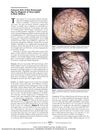
March 2011 in “Archives of Dermatology”
108 citations
,
March 2011 in “Archives of Dermatology” Corkscrew hair may be a new sign for quickly diagnosing scalp fungus in black children.
 62 citations
,
April 2008 in “Neurobiology of aging”
62 citations
,
April 2008 in “Neurobiology of aging” Scientists found a gene in mice that causes early hearing loss.
28 citations
,
October 1985 in “The Journal of Cell Biology” Researchers isolated and identified structural components of human hair follicles, providing a model for studying hair formation.
 5 citations
,
November 2021 in “Frontiers in Cell and Developmental Biology”
5 citations
,
November 2021 in “Frontiers in Cell and Developmental Biology” Caffeine can damage hearing cells and affect hearing recovery after ear trauma.
 1 citations
,
July 2023 in “Journal of visualized experiments”
1 citations
,
July 2023 in “Journal of visualized experiments” The new method makes it easier to study the whole cochlea from newborn mice and rats in the lab.
2152 citations
,
November 2013 in “Urologia Internationalis” Many men under 40 with erectile dysfunction have organic causes like vascular issues, medication side effects, or hormonal problems.
660 citations
,
December 2011 in “Cell” Different hair follicles in the skin are innervated by unique combinations of mechanosensory neurons, crucial for touch sensation.
309 citations
,
June 2001 in “Molecular and Cellular Endocrinology” Mutations in the androgen receptor gene cause androgen insensitivity, leading to female traits in genetically male individuals.
 228 citations
,
September 2012 in “Trends in Neurosciences”
228 citations
,
September 2012 in “Trends in Neurosciences” Nerves are crucial for the regeneration of various body parts in many animals.