Diagnosing scalp fungal infections is difficult due to similar symptoms with other conditions, requiring careful examination and specific tests.
 January 2025 in “The Pediatric Infectious Disease Journal”
 Syphilis can cause unusual symptoms like hair loss and joint pain, but treatment is effective.
18 citations
,
August 2020 in “bioRxiv (Cold Spring Harbor Laboratory)” Two existing drugs may help treat COVID-19 by inhibiting a key viral protein.
 24 citations
,
January 2011 in “International Journal of Trichology”
24 citations
,
January 2011 in “International Journal of Trichology” Light microscopy is useful for diagnosing different hair disorders.
 January 2023 in “International journal of biological sciences”
 COX2 and ATP synthase control the size of hedgehog spines.
11 citations
,
January 1989 Two patients had a unique form of trichothiodystrophy with reduced high-sulfur proteins in their hair.
 April 2026 in “Zenodo (CERN European Organization for Nuclear Research)”
 Microbes in the small intestine may cause Post-Finasteride Syndrome symptoms.
 April 2026 in “Frontiers in Cell and Developmental Biology”
 Hair follicles in mice help detect and respond to germs.
22 citations
,
May 2008 in “Acta veterinaria Scandinavica” English springer spaniels are more prone to severe sebaceous adenitis than standard poodles.
April 2015 in “Journal of the American Academy of Dermatology” The woman likely has secondary syphilis, treatable with penicillin.
October 2010 in “EUR Research Repository (Erasmus University Rotterdam)” A fungal skin infection was successfully treated with medication and compression therapy.
 April 2024 in “Exploratory Animal and Medical Research”
 Sarcoptes mites cause severe skin issues in dogs, which can be fatal if untreated.
 May 2022 in “Experimental dermatology”
 Trichothiodystrophy hair is structurally abnormal with protein and organization issues.
 66 citations
,
August 2011 in “Parasitology Research”
66 citations
,
August 2011 in “Parasitology Research” Mint essential oils can kill parasites that cause cystic echinococcosis, with M. pulegium oil being more effective than M. piperita oil.
 4 citations
,
July 2022 in “Veterinary medicine international”
4 citations
,
July 2022 in “Veterinary medicine international” Mange in rabbits is a serious disease that can spread to humans and is treated with medications and supportive care.
 June 2024 in “Infection and Drug Resistance”
 An adult woman with scalp infection recovered after antifungal treatment, with no return of symptoms.
April 2026 in “International Journal of Agriculture and Food Science” Early diagnosis and treatment can effectively manage mite infestations in goats.
 April 2026 in “Open MIND”
 Microbes in the small intestine may cause Post-Finasteride Syndrome symptoms.
 4 citations
,
October 2022 in “Microbial Cell Factories”
4 citations
,
October 2022 in “Microbial Cell Factories” Certain bacteria from the Citrullus colocynthis plant may be a new source of antibiotics to fight drug-resistant diseases.
April 2026 in “Spectrochimica Acta Part A Molecular and Biomolecular Spectroscopy”  July 2023 in “Turkish journal of veterinary research”
 Wild boar bristles in Balıkesir vary in length and thickness but are unsuitable for species separation.
 November 2025 in “Jurnal Pendidikan Indonesia”
 All stray cats in the area have ectoparasite infestations.
 April 2025 in “Pharmaceuticals”
 APA is a promising new compound for repairing damaged hair, outperforming Olaplex® in strength and elasticity.
1 citations
,
October 2010 in “EUR Research Repository (Erasmus University Rotterdam)” Botryomycosis can be effectively treated with long-term oral antibiotics.
 January 2026 in “Frontiers in Microbiology”
 Enterococcus faecium broth may slow aging and improve health by boosting immunity and gut bacteria.
13 citations
,
March 2011 in “Acta Paediatrica” Tinea capitis needs systemic treatment to avoid severe outcomes.
 1 citations
,
January 2016 in “Journal of cosmetology & trichology”
1 citations
,
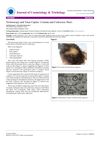
January 2016 in “Journal of cosmetology & trichology” Trichoscopy helped diagnose and treat a child's fungal scalp infection by spotting specific hair shapes.
11 citations
,
March 2016 in “PubMed” Tinea capitis in adults is best treated with oral terbinafine, but other medications may be needed for resistant infections, and family and pets should be checked to prevent reinfection.
48 citations
,
January 2002 in “Journal of Structural Biology” Trichocyte filaments have a low-density core and may include proteins for hair structure.