Arabidopsis Formin 2 stabilizes actin filaments, affecting cell-to-cell movement and virus susceptibility.
January 1995 in “Seoul National University Open Repository (Seoul National University)” SSO helps in skin protection and keratinization.
15 citations
,
July 2020 in “Applied Sciences” PRS injections can improve knee function and reduce pain for up to a year.
1 citations
,
October 2021 in “Journal of Investigative Dermatology” 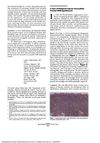 6 citations
,
November 1996 in “Archives of Dermatology”
6 citations
,
November 1996 in “Archives of Dermatology” A man's relapsed leprosy was successfully treated with the antibiotic sparfloxacin.
91 citations
,
August 2019 in “Frontiers in Microbiology” RpoS helps Borrelia burgdorferi survive in hosts and adapt to different environments.
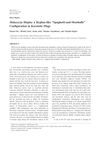 3 citations
,
January 2022 in “Medical Mycology Journal”
3 citations
,
January 2022 in “Medical Mycology Journal” Malassezia fungi in healthy noses can form a "spaghetti-and-meatballs" structure.
11 citations
,
April 2012 in “Journal of Investigative Dermatology” A specific mutation in PA-PLA1α causes abnormal hair growth.
 October 2023 in “Journal of dermatological science”
 New mutations in MBTPS2 reduce its function and cause IFAP syndrome with unusual symptoms.
26 citations
,
April 2011 in “British Journal of Dermatology” New mutations in the DSG4 gene cause a rare hair condition.
24 citations
,
September 2020 in “Pharmaceutics” Lidocaine-loaded microparticles effectively relieve pain and fight bacteria in wounds.
39 citations
,
December 2012 in “The American Journal of Human Genetics” Mutations in the SNRPE gene cause hereditary hair loss.
79 citations
,
January 2002 in “Nucleic Acids Research” BMP-2 activates the Dlx3 gene in mouse skin cells, important for hair and skin development.
April 2026 in “Human Genome Variation” Long-read RNA sequencing can identify complex gene changes in IFAP syndrome.
297 citations
,
December 2005 in “Journal of controlled release” P-SLN nanoparticles effectively deliver podophyllotoxin to the skin.
 August 2023 in “Journal of Investigative Dermatology”
 Different body areas have unique skin cell communication patterns, explaining why certain skin diseases occur in specific regions.
65 citations
,
February 2018 in “The Plant Journal” PLDζ2 and NPC4 have different roles in lipid changes and root hair growth in Arabidopsis under low phosphate, with PLDζ2 reducing root hair growth and NPC4 promoting it.
April 2018 in “The journal of investigative dermatology/Journal of investigative dermatology” Esrp1 is important for skin health by helping form and maintain the skin barrier.
1 citations
,
February 1991 in “Journal of Biological Chemistry”  August 2004 in “Journal of the American College of Surgeons”
 Several genes, including Hox-7A, Stra6, and Lim-1, are involved in normal palate formation.
 15 citations
,
November 2022 in “Cell Death and Disease”
15 citations
,
November 2022 in “Cell Death and Disease” CEP135 may predict cancer outcomes, and targeting PLK1 could help treat certain sarcomas.
July 2024 in “Journal of Investigative Dermatology”  April 2023 in “Journal of Investigative Dermatology”
 POUF51 and HES3 are key in controlling stem cell numbers in psoriasis.
32 citations
,
July 2001 in “Journal of the American Academy of Dermatology” SLHA can be hard to diagnose and needs teamwork between specialists.
 June 2021 in “bioRxiv (Cold Spring Harbor Laboratory)”
 The gene Tfap2b is essential for creating a type of stem cell in zebrafish that can become different pigment cells.
July 2024 in “Journal of Investigative Dermatology” Substance P helps restore skin thickness and cell renewal when sensory nerves are reduced.
January 2024 in “Kafkas Universitesi Veteriner Fakultesi Dergisi” A specific genetic variation affects wool quality in sheep.
2 citations
,
July 2025 in “Scientific Reports” Acinetobacter strain A1-4-2 can safely clean water pollutants.
32 citations
,
August 1982 in “Journal of the American Academy of Dermatology” GLPLS and LPP are variants of lichen planus.
 November 2022 in “Journal of Investigative Dermatology”
 Low oxygen levels affect the behavior of certain proteins in human skin cells.