 April 2017 in “The journal of investigative dermatology/Journal of investigative dermatology”
 Both induced and spontaneous AA lymphocytes can cause alopecia areata in mice.
Deleting Smad4 and PTEN genes in mice causes rapid, invasive forestomach cancer.
Deleting Smad4 and PTEN genes in mice causes rapid, invasive stomach cancer.
42 citations
,
September 2003 in “Journal of Investigative Dermatology” A missing mK6irs1 gene causes hair loss in mice.
The naked mutation in mice causes hair loss and helps identify keratin genes.
89 citations
,
March 1996 in “Proceedings of the National Academy of Sciences” CD18-deficient mice developed psoriasis-like skin disease, useful for studying inflammatory skin disorders.
50 citations
,
February 2004 in “Genomics” A gene mutation causes lanceolate hair in rats by disrupting hair shaft integrity.
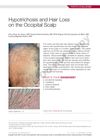 September 2023 in “Cutis”
 A baby girl has a hair disorder called monilethrix, causing fragile hair that may improve over time.
 November 2023 in “Scientific Reports”
 A gene mutation in Lama3 is linked to a common type of hair loss.
14 citations
,
May 2022 in “Cell Reports” Basal cell carcinomas need extra mutations to grow from small to large tumors.
81 citations
,
February 2016 in “Veterinary pathology” Progeroid mouse models show signs of early aging similar to humans, helping us understand aging better.
13 citations
,
August 2005 in “Journal of Investigative Dermatology Symposium Proceedings” Mutations in the DSG4 gene cause fragile, sparse hair in humans, mice, and rats.
 23 citations
,
February 2020 in “PLOS genetics”
23 citations
,
February 2020 in “PLOS genetics” Mice with LSS deficiency showed hair loss and cataracts, similar to humans, and can help in understanding and treating this condition.
 3 citations
,
September 2020
3 citations
,
September 2020 Dyclonine can effectively reduce skin issues by inhibiting the TRPV3 channel.
 39 citations
,
January 2019 in “Cells”
39 citations
,
January 2019 in “Cells” Gene therapy has potential as a future treatment for Hutchinson-Gilford progeria syndrome.
9 citations
,
August 2021 in “International journal of molecular sciences” PPARγ is essential for maintaining healthy skin, controlling inflammation, and ensuring proper skin barrier function.
 13 citations
,
July 2012 in “Pigment Cell & Melanoma Research”
13 citations
,
July 2012 in “Pigment Cell & Melanoma Research” A mutation in the Adam10 gene causes freckle-like spots on Hairless mice.
2 citations
,
May 2023 in “Veterinary Pathology” Understanding genetic variations in mice is crucial for studying skin, hair, or nail abnormalities.
380 citations
,
March 2000 in “Proceedings of the National Academy of Sciences” Overexpressing GLI-1 in mice skin can cause tumors like human basal cell carcinomas.
Moles may stop growing due to cell cooperation, not just because of individual cell aging.
Moles may stop growing because of cell cooperation, not just because of aging cells.
17 citations
,
July 2024 in “Frontiers in Oncology” New therapies and trials are needed for Merkel cell carcinoma, a tough skin cancer.
16 citations
,
January 1998 in “PubMed” Sun exposure and genetics increase skin cancer risk from precancerous lesions.
27 citations
,
January 2000 in “Developmental Dynamics” Mutations in the Whn gene affect hair keratin gene expression differently.
 1 citations
,
July 2023 in “Communications biology”
1 citations
,
July 2023 in “Communications biology” Removing Mediator 1 from certain mouse cells causes teeth to grow hair instead of enamel.
 5 citations
,
October 2015 in “The American journal of pathology”
5 citations
,
October 2015 in “The American journal of pathology” Mice with a mutated Dsg3 gene showed severe symptoms but not the typical blistering of pemphigus vulgaris.
 232 citations
,
January 2013 in “Nature Cell Biology”
232 citations
,
January 2013 in “Nature Cell Biology” Understanding where cancer cells come from helps create better prevention and treatment methods.
 38 citations
,
July 1989 in “Archives of dermatological research”
38 citations
,
July 1989 in “Archives of dermatological research” Testosterone causes hair loss in AGA mice, which are good for testing baldness treatments, and both minoxidil and cyproterone acetate can prevent this hair loss.
 27 citations
,
July 2017 in “Scientific Reports”
27 citations
,
July 2017 in “Scientific Reports” N-WASP is essential for healthy skin and preventing inflammation.
 28 citations
,
July 2008 in “Developmental Biology”
28 citations
,
July 2008 in “Developmental Biology” Smad4 is important for healthy hair follicles because it helps produce a protein needed for hair to stick together and grow.