 169 citations
,
June 2010 in “Molecular & cellular proteomics”
169 citations
,
June 2010 in “Molecular & cellular proteomics” Pectin biosynthesis is essential for the growth of cotton fibers and Arabidopsis root hairs.
 103 citations
,
November 2014 in “Journal of Cell Biology”
103 citations
,
November 2014 in “Journal of Cell Biology” MicroRNA-214 is important for skin and hair growth because it affects the Wnt pathway.
 56 citations
,
February 2010 in “PLOS ONE”
56 citations
,
February 2010 in “PLOS ONE” Blocking Wnt signaling in young mice causes thymus shrinkage and cell loss, but recovery is possible when the block is removed.
 54 citations
,
July 2017 in “Scientific Reports”
54 citations
,
July 2017 in “Scientific Reports” JMJD3 and NF-κB activate Notch1, which is essential for skin cell movement and wound healing.
 28 citations
,
May 2015 in “Addiction Biology”
28 citations
,
May 2015 in “Addiction Biology” Prenatal stress changes how male and female rats enjoy rewards differently, linked to sex hormones.
 22 citations
,
October 2019 in “Cerebral cortex”
22 citations
,
October 2019 in “Cerebral cortex” Sex neurosteroids cause different effects on hippocampal synaptic plasticity in males and females.
 15 citations
,
February 2019 in “Journal of clinical medicine”
15 citations
,
February 2019 in “Journal of clinical medicine” Atorvastatin reversed memory problems caused by cancer drug trastuzumab and improved its cancer-fighting abilities without causing hair loss.
 8 citations
,
June 2019 in “Pharmaceutical research”
8 citations
,
June 2019 in “Pharmaceutical research” Applying heat with certain chemicals can greatly improve how well isotretinoin gets into the skin through hair follicles.
 2 citations
,
February 2021 in “Brain Research”
2 citations
,
February 2021 in “Brain Research” Testosterone affects blood pressure control and inflammation in male rats with endotoxic shock, and blocking certain hormones may help treat it.
 1 citations
,
November 2024 in “IP Indian Journal of Clinical and Experimental Dermatology”
1 citations
,
November 2024 in “IP Indian Journal of Clinical and Experimental Dermatology” Non-infectious skin issues like eczema are common in rural areas, especially in men aged 40-60.
108 citations
,
April 2004 in “Medicinal Research Reviews” Steroid sulfatase inhibitors could help treat hormone-related disorders and cancers.
ETS2 drives cancer progression in squamous cell carcinoma and is linked to poor patient outcomes.
 301 citations
,
May 1998 in “Genes & Development”
301 citations
,
May 1998 in “Genes & Development” Ets2 gene is crucial for placental development in mice.
 451 citations
,
March 2005 in “Endocrine Reviews”
451 citations
,
March 2005 in “Endocrine Reviews” The enzyme steroid sulfatase is linked to breast cancer and other conditions, and inhibitors are being developed for treatment.
41 citations
,
March 2016 in “The Journal of Clinical Endocrinology & Metabolism” In STSD patients, the body compensates for low androgen levels by increasing another enzyme's activity.
ETS2 is crucial in squamous cell carcinoma development and could be a therapeutic target.
 April 2017 in “The journal of investigative dermatology/Journal of investigative dermatology”
 Astrotactin2 affects hair follicle orientation and skin cell polarity.
8 citations
,
March 2015 in “International Journal of Oncology” Tsc2-deficient stem cells can help understand and treat TSC-related tumors.

STS01 1% effectively promotes hair regrowth with minimal side effects.
 March 2024 in “BMC cancer”
 High levels of ST14 and TMEFF1 proteins in ovarian cancer are linked to worse patient outcomes and may be a new treatment target.
 6 citations
,
January 2020 in “BMC Medical Genetics”
6 citations
,
January 2020 in “BMC Medical Genetics” A new mutation in the STS gene causes X-linked ichthyosis, even in rare female cases.
 111 citations
,
August 2002 in “Journal of Medicinal Chemistry”
111 citations
,
August 2002 in “Journal of Medicinal Chemistry” New compounds were made that block an enzyme linked to breast cancer better than existing treatments.
 48 citations
,
July 1996 in “Human & Experimental Toxicology”
48 citations
,
July 1996 in “Human & Experimental Toxicology” Human enzymes can detoxify harmful substances but might also increase their cancer risk.
 37 citations
,
September 2003 in “Journal of Medicinal Chemistry”
37 citations
,
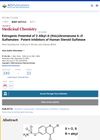
September 2003 in “Journal of Medicinal Chemistry” A substance called Compound 2g can strongly block STS (a hormone-related enzyme) without affecting estrogen levels, making it potentially good for treating breast cancer.
16 citations
,
August 2021 in “Tumor Biology” TMPRSS2 helps viruses enter cells and protects the prostate from inflammation-related cancer.
 1 citations
,
January 2003 in “Expert Opinion on Therapeutic Patents”
1 citations
,
January 2003 in “Expert Opinion on Therapeutic Patents” Steroid sulfatase inhibitors could potentially treat hormone-related disorders like certain cancers, hair loss, acne, and improve cognitive dysfunction.
9 citations
,
January 2012 in “International journal of trichology” Trichostasis spinulosa can be diagnosed with a simple skin biopsy and treated with specific gels, but lesions may return after stopping treatment.
 April 2023 in “The journal of investigative dermatology/Journal of investigative dermatology”
 Lack of TG2 increases fat storage and lowers cell cleanup in skin oil cells.
 26 citations
,
February 1998 in “Chemico-Biological Interactions”
26 citations
,
February 1998 in “Chemico-Biological Interactions” Scientists identified three genes important for processing certain brain chemicals, thyroid hormones, and medications.
 22 citations
,
January 2008 in “Physiological Research”
22 citations
,
January 2008 in “Physiological Research” Steroid sulfatase is important for activating hormones that affect memory, brain function, and certain diseases, and could be a target for treating hormone-related disorders.