 October 2025 in “Progress In Microbes & Molecular Biology”
 PCOS is linked to gut bacteria changes, suggesting gut-focused treatments might help.

Azelaic acid helps with skin pigmentation issues, but its full effects are not completely understood.
 September 2025 in “Universal library of medical and health sciences.”
 Permanent makeup can effectively restore lip shape and color after tissue loss, improving appearance and well-being.
 April 2025 in “International Journal of Ayurvedic Medicine”
 Semecarpus anacardium Linn. may have health benefits, but more research is needed to confirm its safety and effectiveness.
 March 2025 in “GSC Biological and Pharmaceutical Sciences”
 Wood tar could be useful for skin care in dermatology and cosmetics.
 January 2025 in “International Journal For Multidisciplinary Research”
 The soap strips are effective and eco-friendly anti-fungal alternatives.
 January 2025 in “Dermatology Review”
 Acitretin may cause salivary gland inflammation.
 January 2025 in “International Journal of Herbal Medicine”
 Herbs like neem, tulsi, and tea tree oil may treat dandruff without side effects.
 August 2024 in “Bioscience of Microbiota Food and Health”
 Microbes might play a role in vitiligo.

Early and accurate identification of primary scarring alopecias is crucial to prevent permanent hair loss.
 August 2024 in “Revista Científica Multidisciplinar Núcleo do Conhecimento”
 Malassezia restricta may be linked to intestinal diseases like Crohn's and ulcerative colitis.
 July 2024 in “Science and Culture”
 Thuja orientalis L. has many health benefits and could be used in new medicines.
 May 2024 in “International Journal For Multidisciplinary Research”
 The herbal hair cream helps protect and improve hair health.
Baricitinib shows promise for treating alopecia areata with mild side effects.
 April 2024 in “International Journal of Research in Medical Sciences”
 Demographic and lifestyle factors significantly influence scalp diseases.

New insights into cell communication in psoriasis suggest innovative drug treatments.
 January 2024 in “Journal of Ayurveda Campus”
 Psoralea corylifolia Linn. is a medicinal plant used for skin diseases and has various health benefits.
 January 2024 in “Open Journal of Veterinary Medicine”
 The treatment effectively reduces yeast and improves skin in dogs.

N793 may improve hair density in people with mild hair thinning.
 November 2023 in “Frontiers in cell and developmental biology”
 Hair aging is caused by stress, hormones, inflammation, and DNA damage affecting hair growth and color.
 October 2023 in “International journal of biology, pharmacy and allied sciences”
 Personalized treatment plans combining natural and synthetic approaches are important for managing alopecia effectively.
 September 2023 in “Jurnal Ilmu Kesehatan Hewan”
 The dog improved significantly after treatment for skin mites and fungi.
 July 2023 in “Jurnal Ilmu Kesehatan Hewan”
 Sulfur-based treatments combined with simparica effectively treat scabies in puppies.
 June 2023 in “International Journal of Clinical Research and Reports”
 Method B with propylene glycol is better for stable low-concentration DPCP solutions for alopecia areata.
 June 2023 in “International Journal for Research in Applied Science and Engineering Technology”
 Emulgel improves skin delivery of various drugs better than traditional methods.
Tiny particles called extracellular vesicles show potential for improving skin health in cosmetics, but more research is needed to confirm their safety and effectiveness.

Custom skincare can be made based on genes, fewer cats in Lublin have FeLV/FIV than national average, and studies also looked at small water bodies, river pollution, guppy growth, toxins in biochars, palm oil issues, and pumpkin seed oil for hair strength.
The study aims to create a model to improve personalized and preventive health care.
 February 2023 in “Asian journal of pharmaceutical research and development”
 Flavonoids in Iraqi marshland plants have potential health benefits like antioxidant and anti-inflammatory effects.
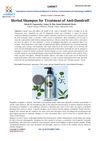 February 2023 in “International Journal of Advanced Research in Science, Communication and Technology”
 Herbal shampoos with Neem and Tulsi might be safer and more effective for controlling dandruff.