 August 2025 in “Biomacromolecules”
 The hydrogel dressing improves wound healing, offers long-lasting antibacterial effects, and enhances patient comfort.
 June 2025 in “Universities Journal of Phytochemistry and Ayurvedic Heights”
 Eclipta alba has more wedelolactone, but Wedelia chinensis is better at fighting bacteria.
 July 2024 in “ACS Biomaterials Science & Engineering”
 Nanoencapsulated antibiotics are more effective in treating hair follicle infections than free antibiotics.
 January 2024 in “International Journal of Environment Agriculture and Biotechnology”
 Organic garlic is more nutritious and better at fighting bacteria than chemically grown garlic.
 August 2023 in “International Medical Case Reports Journal”
 Acne necrotica can be effectively treated with topical cream and antibiotics.
 November 2017 in “British Journal of Dermatology”
 Organ transplant recipients have a higher risk of skin cancer over time, atopic dermatitis skin shows unusual bacterial and fungal patterns, a new tool for measuring hidradenitis suppurativa severity was created, and gene expression changes in male baldness suggest new treatments.
January 2015 in “Dépôt Institutionnel de lUniversité de Tlemcen” Citrullus colocynthis seed oil is suitable for edible use and has antimicrobial potential.
research TOC
April 2007 in “Dermatologic Clinics” Understanding drug effects and careful monitoring are crucial for safe and effective dermatology treatments.
 April 2020 in “Food Research”
 The document discusses various topics including the use of plant derivatives for hair loss, potential food additives, antioxidant properties of different extracts, and the study of bacteria on stainless steel surfaces.
 March 2014 in “Pediatric Clinics of North America”
 The document discusses how to identify and manage common skin conditions in children.
 January 2020 in “Annals of the Academy of Romanian Scientists Series of Medicine”
 Folliculitis decalvans is a rare skin disease causing hair loss and requires personalized treatment.
 74 citations
,
September 1980 in “Medical Clinics of North America”
74 citations
,
September 1980 in “Medical Clinics of North America” Toxic epidermal necrolysis is a severe skin condition often caused by drugs, with complex treatment and a high risk of death, but survivors usually heal without scars.
 65 citations
,
October 2018 in “Frontiers in cellular and infection microbiology”
65 citations
,
October 2018 in “Frontiers in cellular and infection microbiology” Certain bacteria and fungi are linked to healthy scalps and dandruff, suggesting that the scalp's microbial balance affects its health.
37 citations
,
August 2019 in “Frontiers in Microbiology” Staphylococcus epidermidis A/C strains are more antibiotic-resistant and infection-adapted, while B strains thrive in hair follicles.
 6 citations
,
September 2014 in “Australasian Journal of Dermatology”
6 citations
,
September 2014 in “Australasian Journal of Dermatology” Asylum seekers arriving by boat may face skin problems due to harsh conditions, and doctors should use a thorough skin assessment approach to diagnose and treat them effectively.
3 citations
,
August 2022 in “Molecules/Molecules online/Molecules annual” A new strain of bacteria from the human skin can help prevent hair loss.
 3 citations
,
January 2017 in “PubMed”
3 citations
,
January 2017 in “PubMed” A man got a scalp infection from synthetic hair implants because the procedure wasn't done by a doctor and was poorly managed.
 July 2026 in “Frontiers in Cellular and Infection Microbiology”
 Staphylococcus levels may indicate hair loss in men and could help develop new treatments.
 June 2025 in “Indian Journal of Veterinary Medicine”
 The dog's skin infection was cured with a new antibiotic treatment and supplements.
 July 2024 in “Journal of Bioscience and Bioengineering”
 Different conditions affect how easily hair bacteria can be isolated.
 March 2021 in “Actas Dermo-Sifiliográficas”
 The microbiome may be linked to hair loss and could be a target for new treatments.
 3 citations
,
April 2022 in “Microorganisms”
3 citations
,
April 2022 in “Microorganisms” People with severe hair loss (Alopecia Areata) have different scalp bacteria than healthy people, which might help predict the condition's progress.
 3 citations
,
January 2021 in “Actas Dermo-Sifiliográficas”
3 citations
,
January 2021 in “Actas Dermo-Sifiliográficas” The document concludes that changing the scalp's microbiome might be a new way to treat hair loss.
 April 2026 in “Microorganisms”
 SCFF may help promote hair growth and scalp health.
 September 2023 in “Clinical, cosmetic and investigational dermatology”
 SLFC can improve scalp health and reduce sensitive scalp symptoms.
 176 citations
,
August 1981 in “JAMA”
176 citations
,
August 1981 in “JAMA” Toxic Shock Syndrome mainly affects menstruating women, can recur, and is linked to staph bacteria, with rapid treatment being crucial.
 22 citations
,
September 2019 in “ACS omega”
22 citations
,
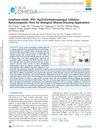
September 2019 in “ACS omega” The new nanocomposite films are stronger, protect against UV, speed up wound healing, and are antibacterial without being toxic.
 June 2026 in “Gümüşhane Üniversitesi Fen Bilimleri Enstitüsü Dergisi”
 PVA/agar films with Achillea millefolium essential oil are promising for wound dressings due to good strength and selective antibacterial effects.
2 citations
,
March 2019 in “PubMed” Fusidic acid successfully treated a rare scalp infection with hair regrowth and no recurrence after 6 months.
 May 2025 in “Lasers in Medical Science”
 Er: YAG laser treatment can help balance scalp bacteria in hair loss patients.